
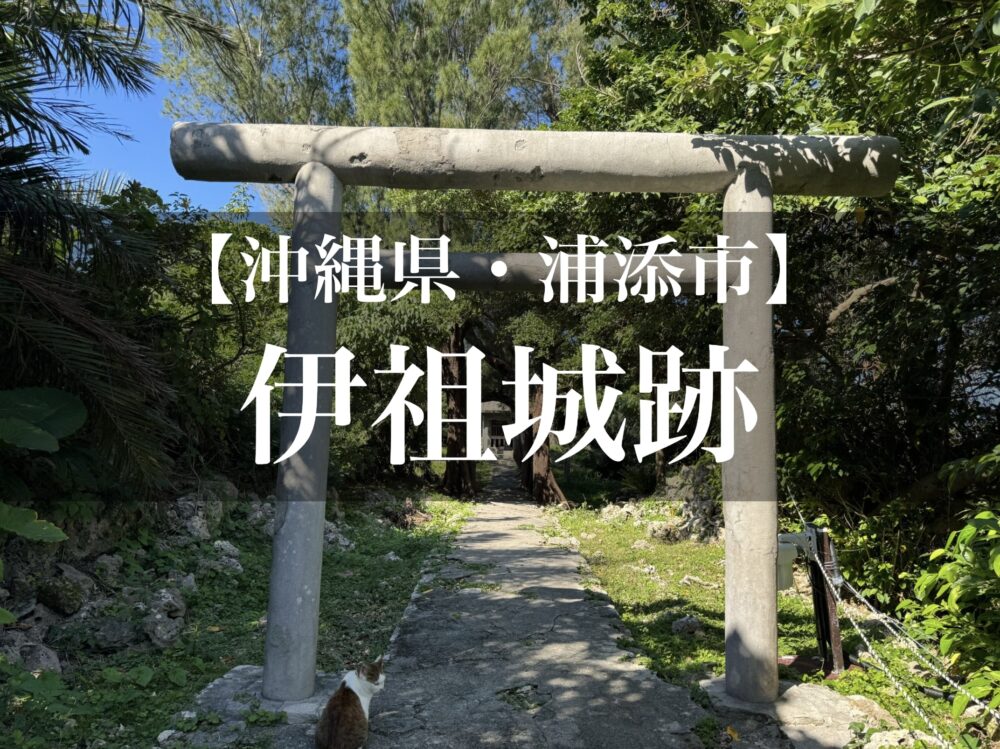
The Urasoe Castle Ruins sit in Urasoe, in the southern part of Okinawa’s main island.
This place once flourished as the centre of the Ryukyu Kingdom, and a great deal of that heritage survives today.
With the royal tomb Urasoe Yodore and its handsome stone walls, the site carries Okinawa’s history and culture into the present.
Come and take in the depth of history at the Urasoe Castle Ruins for yourself.
Urasoe Castle Ruins ratings
*Ratings are the personal view of the Okinawa Bookmark editor, based on comparison with other castles and castle ruins in Okinawa
Urasoe Castle Ruins at a glance
| Hours | None in particular |
| Closed | None in particular |
| Admission | Free |
| Time needed | About 60 minutes |
| Parking | Yes (free) |
| Restroom | Yes |
| Address | 2-53-1 Nakama, Urasoe, Okinawa |
The Urasoe Castle Ruins are a nationally designated historic site and hold great importance in Okinawan history.
Highlights of the Urasoe Castle Ruins
Urasoe Yodore (the royal tomb)
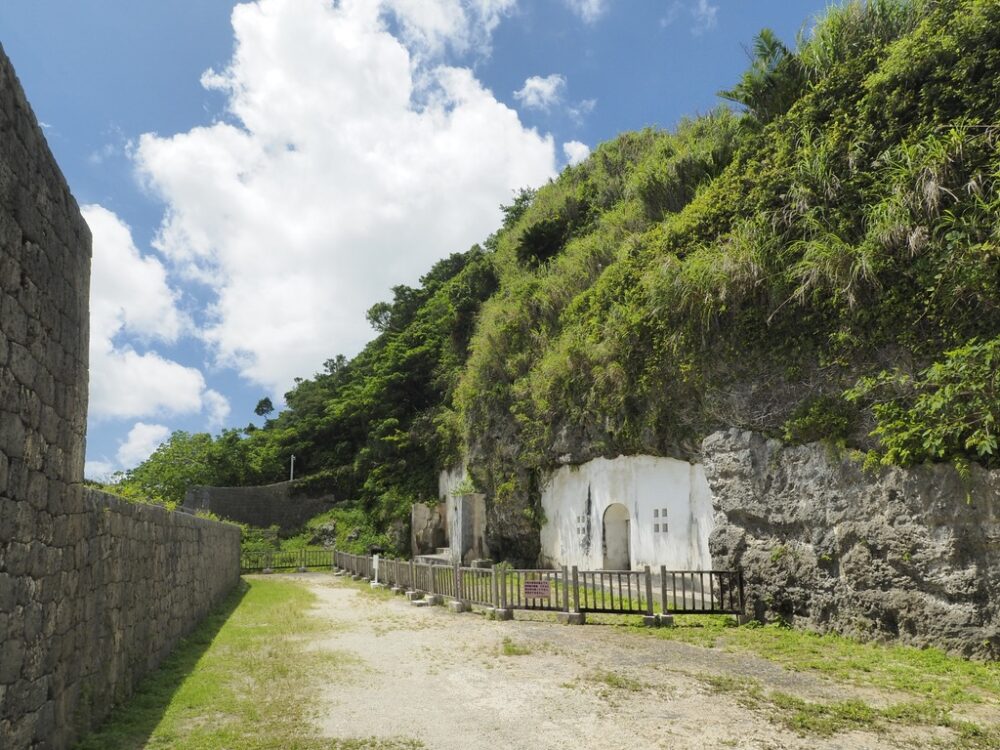
The one thing that stands out most at the Urasoe Castle Ruins is Urasoe Yodore, the royal tomb.
Thought to have been built in the 13th century, it is an important site in the story of the Ryukyu Kingdom.
It is known as the tomb of King Eiso (reigned 1260-1299), and was renovated in 1620 by King Sho Nei (reigned 1589-1620), the seventh ruler of the Second Sho Dynasty.
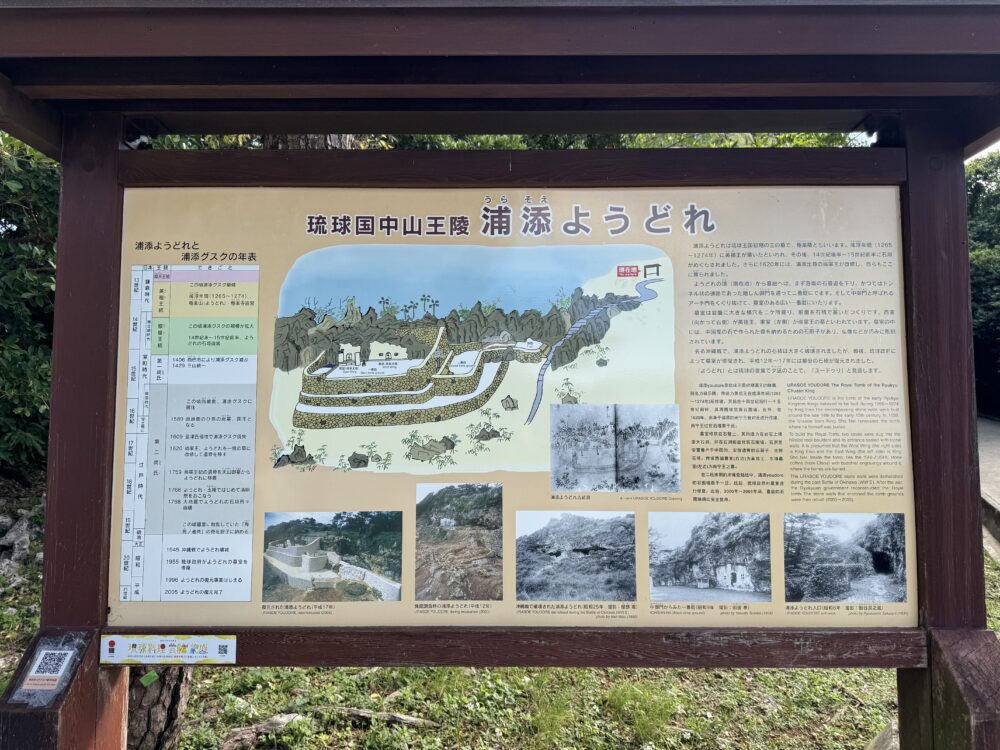
The name Urasoe Yodore comes from the calm, quiet mood of the place: in the Ryukyuan language it means the still sea of an evening.
The tomb has a west chamber (the mausoleum of King Eiso) and an east chamber (that of King Sho Nei), where valuable historical objects are preserved.
The grave of Ifa Fuyu
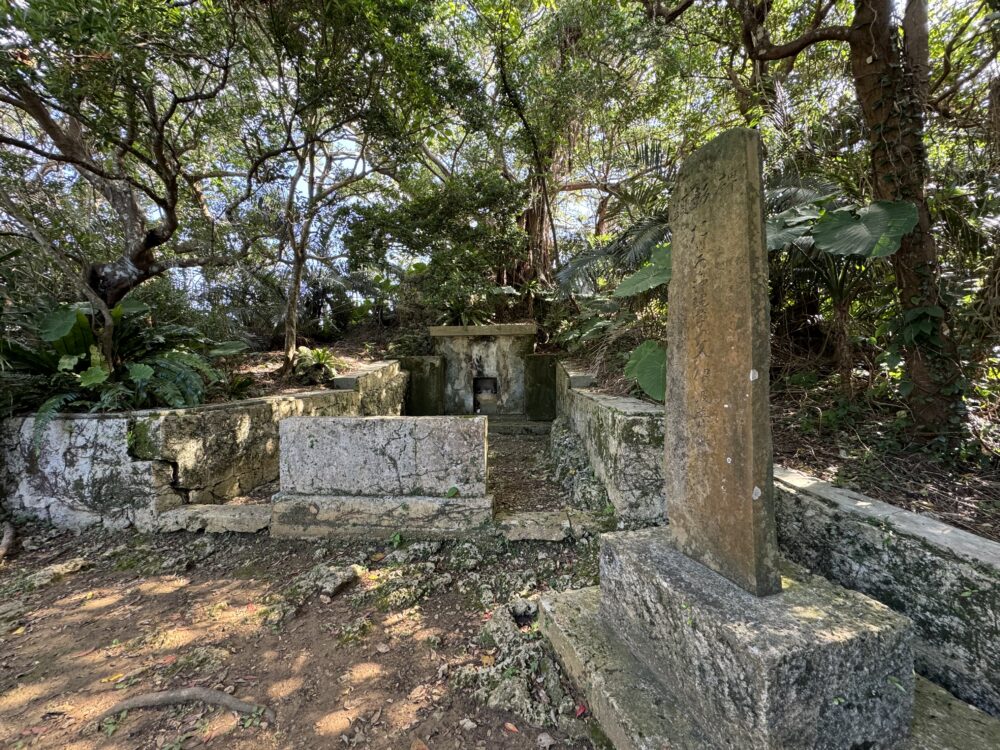
The grave of Ifa Fuyu, known as the father of Okinawan studies, is an important part of the site.
His work is essential to any deeper understanding of Okinawan culture and history, and the grave leaves an impression on every visitor.
Kaganukaa
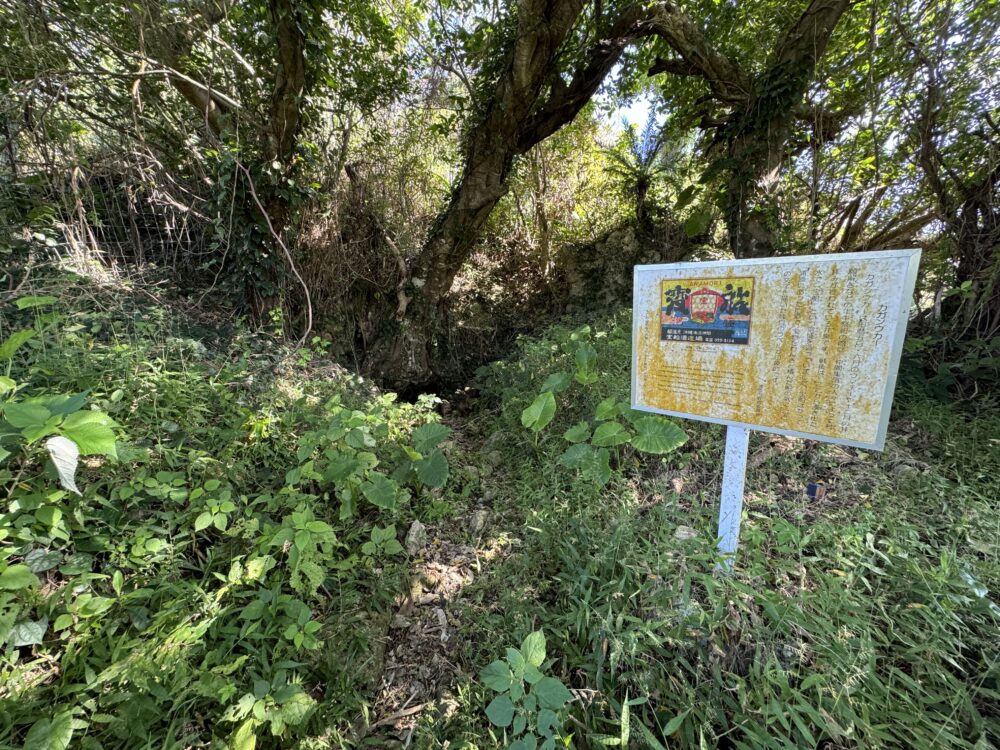
Kaganukaa is a historic spring, once the water source used locally to make awamori.
The spring is a quiet spot that captures the natural beauty of the castle site.
Diigugama
Diigugama is a natural treasure that combines a limestone cave with an utaki, a sacred site.
This mysterious cave is a special place to encounter Ryukyuan myths and legends, including those in the Ryukyukoku Yuraiki.
The Maeda Escarpment shelters
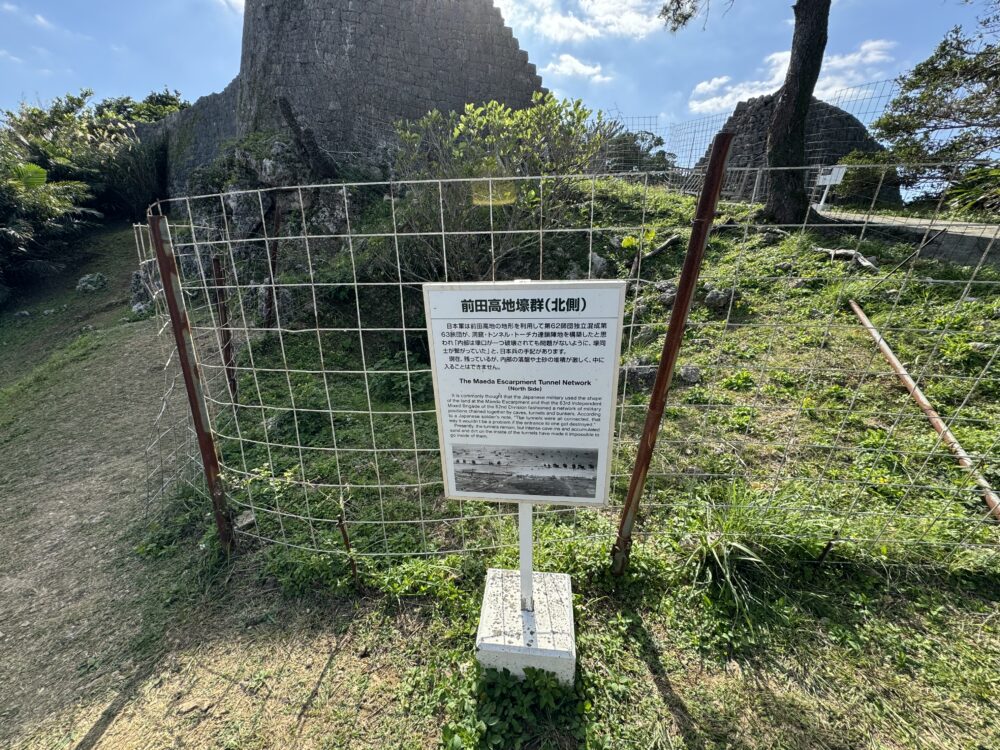
The Maeda Escarpment was a key battleground in the Battle of Okinawa and is essential to understanding the wartime history.
The place holds a particular significance in Okinawa’s modern history.
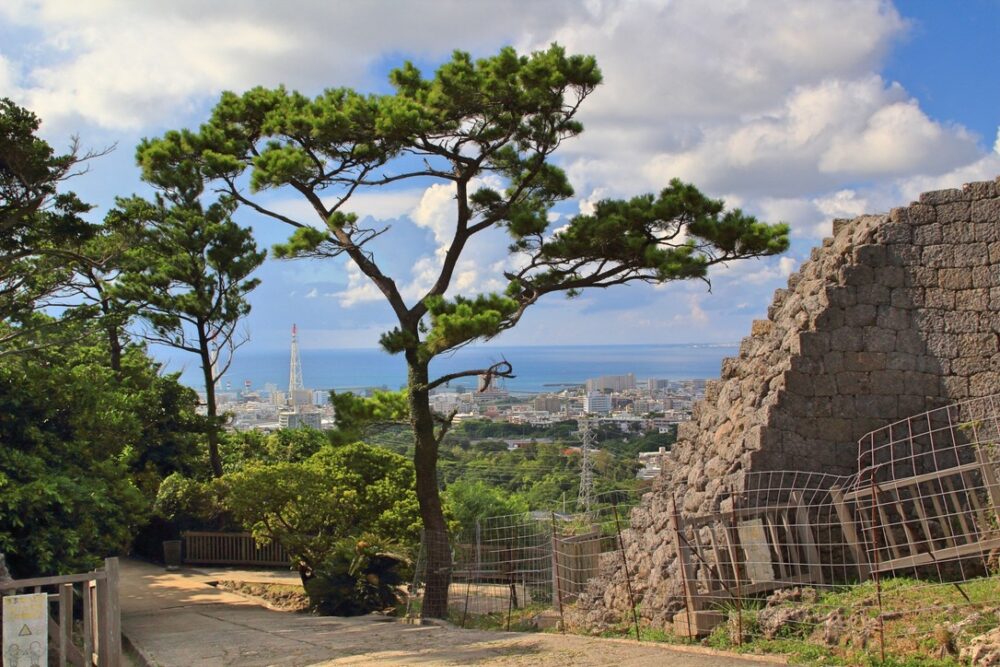
The view from the top of the Urasoe Castle Ruins
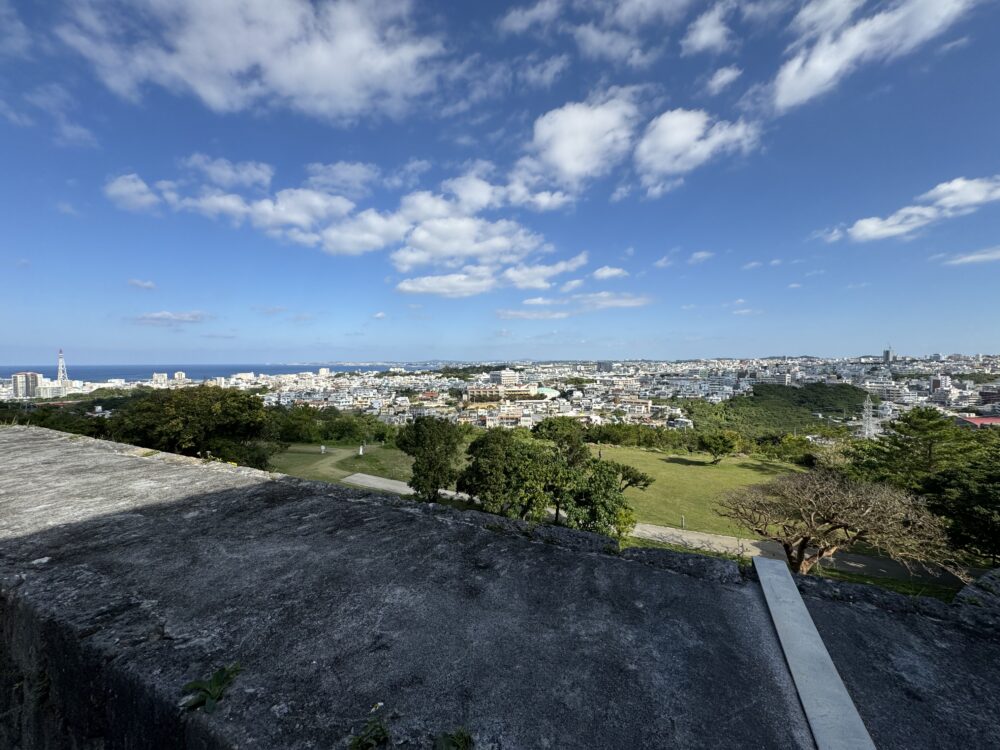
At about 130 metres above sea level, the site looks out across the East China Sea as far as Yomitan.
Urasoe Grand Park
Urasoe Grand Park is a beautiful park where nature and history sit together.
Wide open and full of greenery, it is enjoyable simply to walk through, and it suits families well.
Allow about 60 minutes
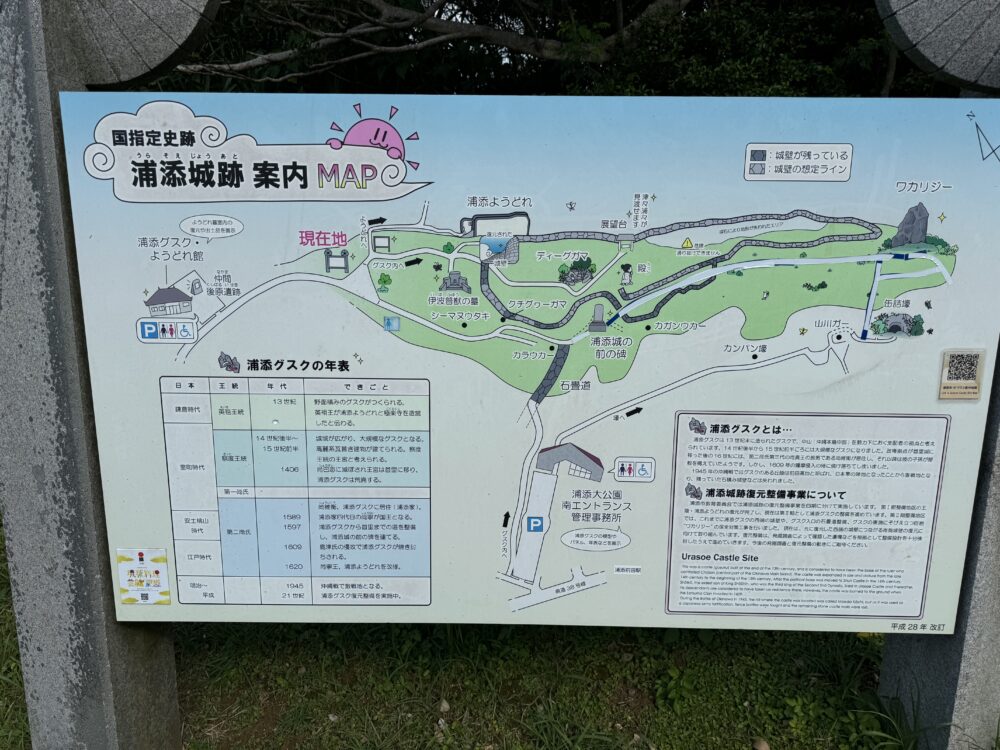
Around 60 minutes is a good guide for how long to allow at the Urasoe Castle Ruins.
If you want to look at the history in more detail, we recommend setting aside a little more time.
History of the Urasoe Castle Ruins
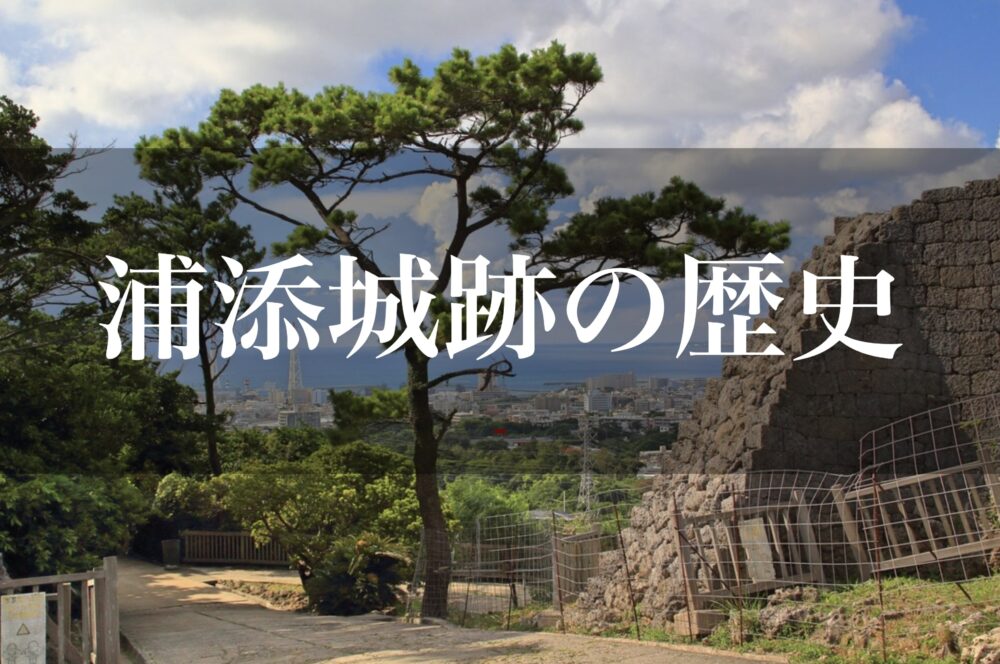
Older than Shuri Castle, the Urasoe Castle Ruins are a valuable site in the story of the Ryukyu Kingdom.
From the 13th to the 15th century it served as the royal seat of the Shunten, Eiso and Satto dynasties, and for more than 200 years it was the political centre of the Chuzan region.
The site sits on a Ryukyuan limestone hill about 130 metres above sea level, with sweeping views across the East China Sea and as far as Yomitan.
Rich in history and blessed with fine scenery, it is an important site that carries the prosperity of old Ryukyu into the present.
In 1609, the invasion by Satsuma forces left Urasoe Castle burned down and abandoned.
In time, however, Urasoe Gusuku and many of the cultural properties around it were laid out as today’s Urasoe Grand Park, now a place to relax for residents and visitors alike.
A visit to the Urasoe Castle Ruins offers not only a brush with Okinawan history but also time spent in beautiful surroundings.
You can walk the site while picturing the splendour of the Ryukyu Kingdom as it once was.
Access & Parking
| Access | About 30 minutes by car from Naha Airport |
| Address | 2-53-1 Nakama, Urasoe, Okinawa |
| Parking | Yes (free) |
| Restroom | Yes |
The Urasoe Castle Ruins have two parking lots.
Please check the Google Map below for both parking lots.
[Parking lot 1]
[Parking lot 2]
Around the Urasoe Castle Ruins
Activities in southern Okinawa
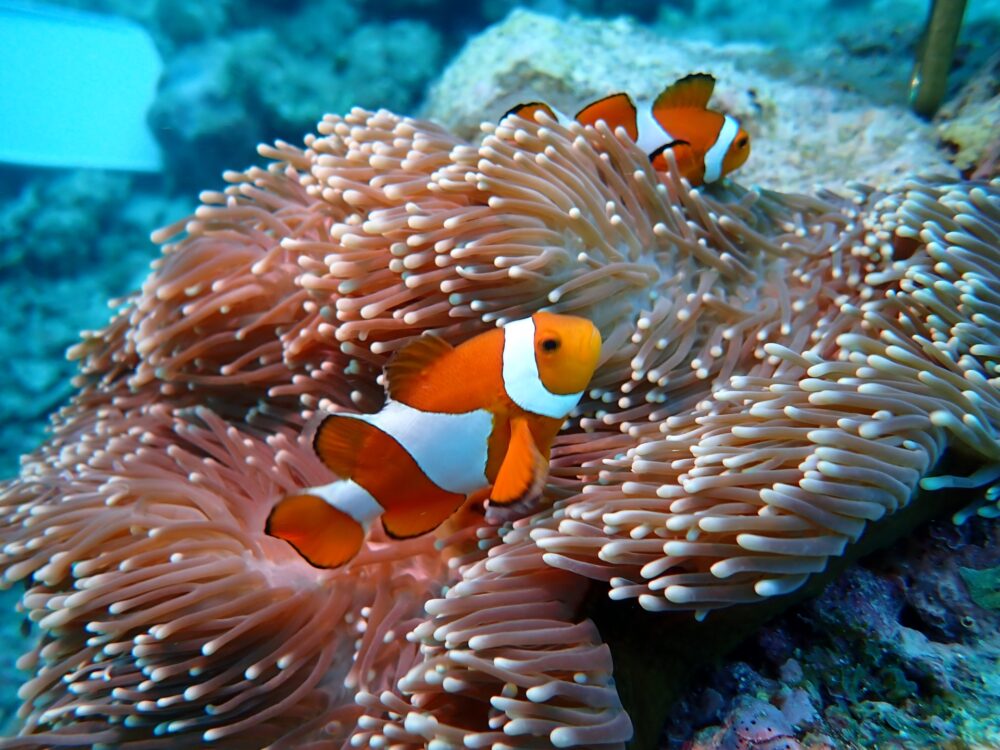
Southern Okinawa offers plenty of activities, including diving and snorkeling.
You can book through GetYourGuide or Viator, so do take a look at what is on offer.
Okinawa Prince Hotel Ocean View Ginowan
Every room at the Okinawa Prince Hotel Ocean View Ginowan has a terrace and an ocean view.
There is a pool and a large public bath, and the view from the infinity pool on the 14th floor is superb — a genuinely luxurious resort stay.
Tropical Beach is about a ten-minute walk from the hotel, making it a great choice if you want that resort feeling.
A rental car is the way to go in Okinawa
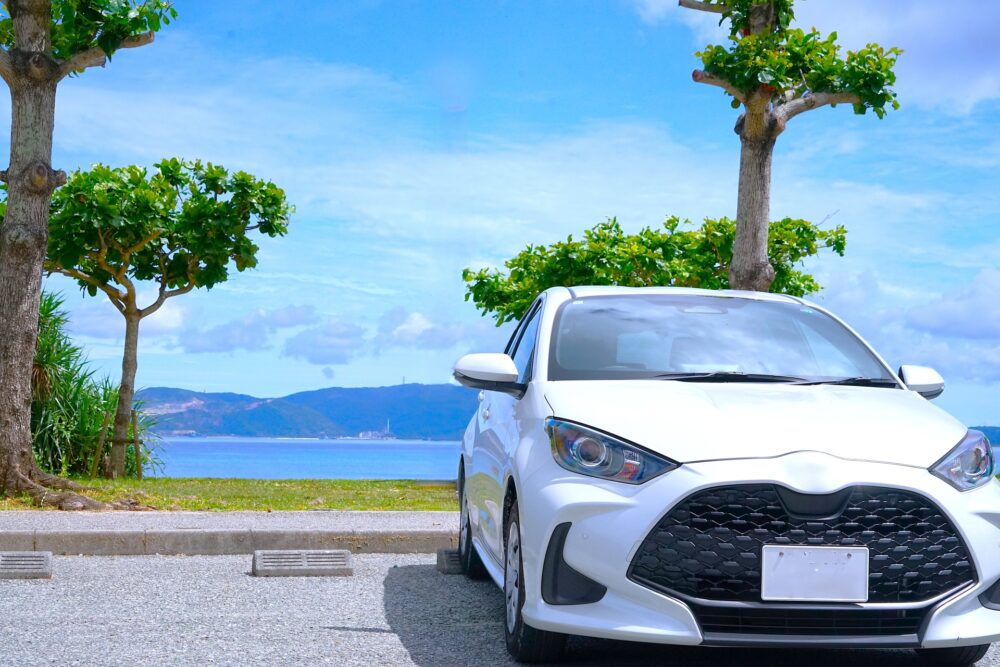
A rental car is by far the best way to get around the main island of Okinawa.
The places worth seeing are scattered across the island, from Shuri Castle in Naha to the beautiful beaches of the north and American Village in Chatan, and with a car you can take them at your own pace. Buses are infrequent and do not always run on time, so having a car or not makes a real difference to the trip.
Cars fill up quickly in the peak season, so we recommend booking early once your travel dates are set. One important note for overseas visitors: to drive in Japan you must obtain an International Driving Permit (Geneva Convention) in your home country before you depart, and remember that traffic in Japan drives on the left.
Summary
The Urasoe Castle Ruins are a rare place to experience the depth of Okinawan history first-hand.
Urasoe Yodore, the handsome stone walls, the grave of Ifa Fuyu, Kaganukaa, Diigugama, the Maeda Escarpment shelters and Urasoe Grand Park: this one site holds many different sides of Okinawan history and culture.
These highlights act as a bridge between Okinawa’s past and present, and they will make a trip here all the richer.
Do visit the Urasoe Castle Ruins and take in everything the site has to offer.
Comments