
This article covers Amekugu Shrine in Naha, Okinawa.
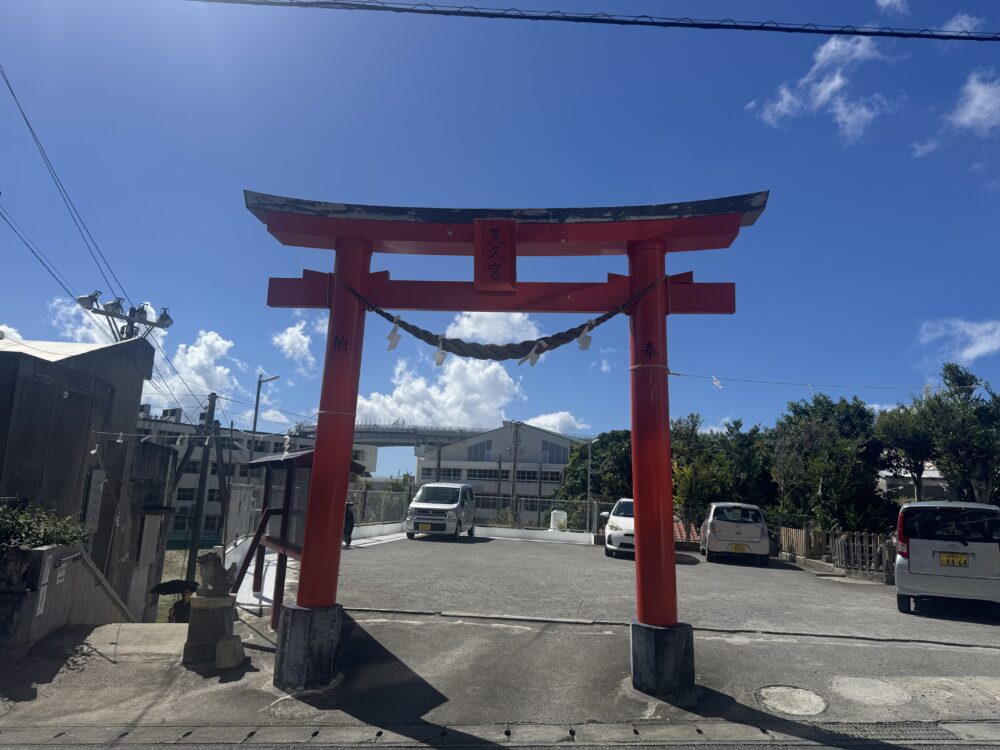
The shrine sits close to Tomari Port and is one of the eight Ryukyuan shrines, each granted special standing by the royal court during the Ryukyu Kingdom. Its historical value speaks for itself, but what really sets it apart is the three-level structure built into the cliff — a layout you will rarely see anywhere in Japan.
From ground level you would never guess at the sacred space that runs down into a cave below.
A dragon deity and Benzaiten, who have watched over this place for centuries, are enshrined there, and the air still feels thick with something.
This article covers the history, the highlights, what people come here to pray for, and the access and parking details, for anyone visiting Amekugu Shrine for the first time.
Amekugu Shrine ratings
*Ratings are the personal view of the Okinawa Bookmark editor, based on comparison with other castles and castle ruins in Okinawa
Amekugu Shrine at a glance
| Reception hours | 10:00-16:00 |
| Closed | None in particular |
| Admission (individual) | Free |
| Time needed | About 20 minutes |
| Parking | Yes (free) |
| Restroom | Yes |
| Address | 3-19-9 Tomari, Naha, Okinawa |
Highlights
A shrine of high standing among the eight Ryukyuan shrines
Amekugu Shrine is counted among the eight Ryukyuan shrines singled out by the royal court, which puts it in very select company.
It has long been a sacred place for prayers for the safety of the state and for safe voyages, and enjoyed the court’s firm protection.
Having come through the hard years of destruction by fire in the war, it now draws not only local residents but devoted worshippers from across the country.
A sacred space on three descending levels
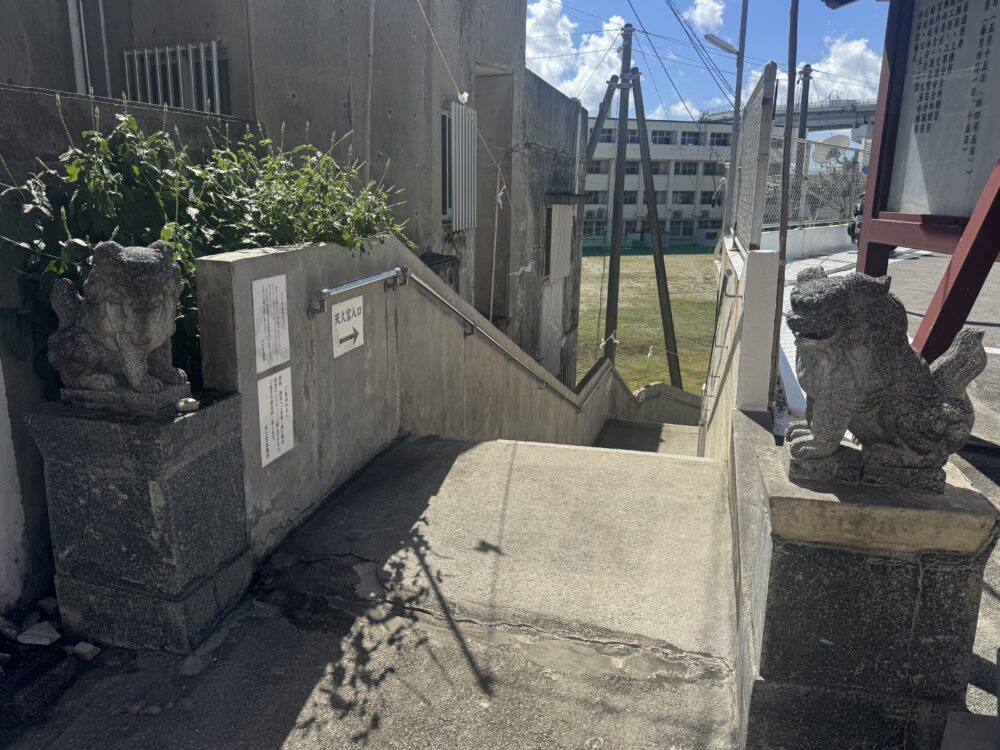
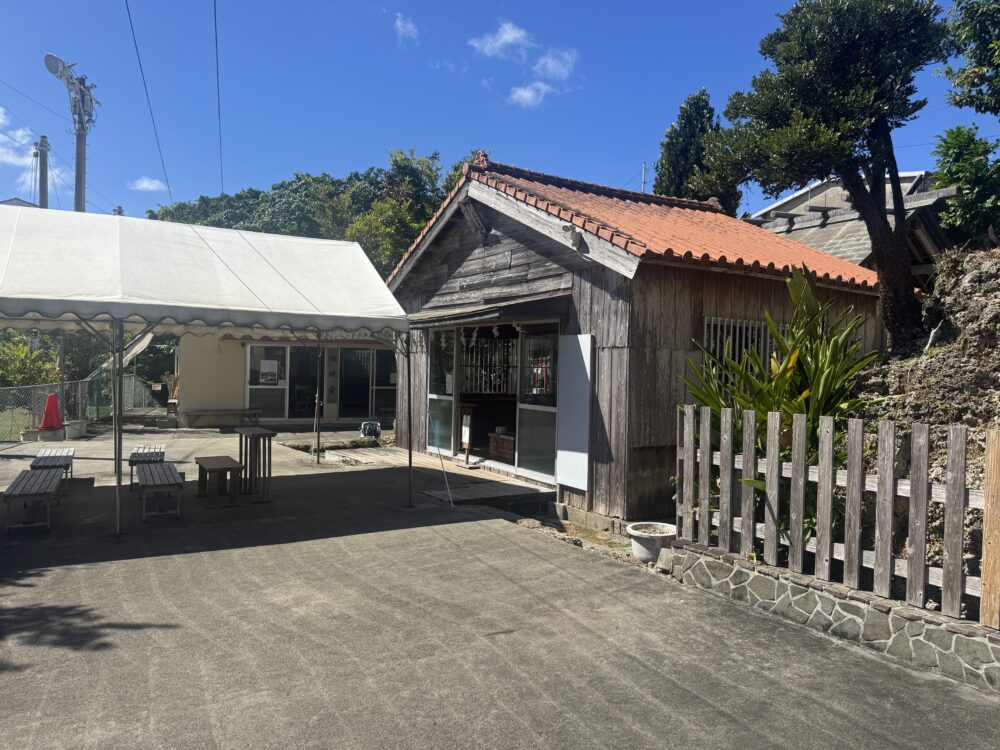
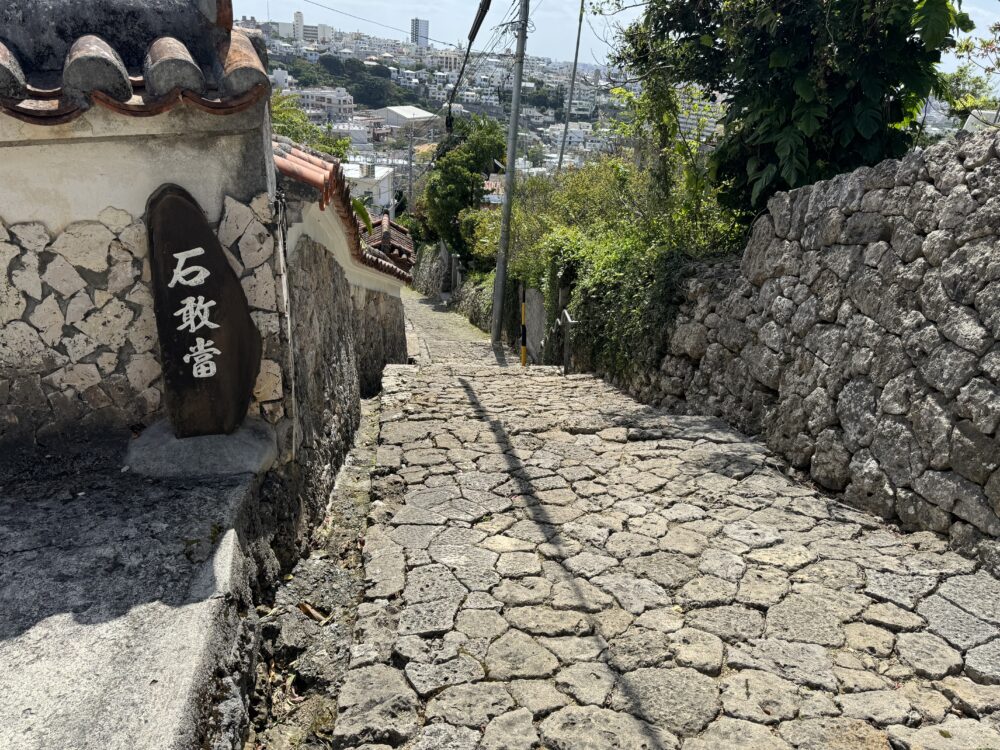
What defines Amekugu Shrine is its unusual layout, which uses the slope to create what amounts to three descending levels.
The worship hall and main hall sit at the top; below them are the shrine office and living quarters; and further down again, on the lowest level, a natural cave has been left as it is to serve as a place of worship.
Benten Oiyasuhiko-no-Okami and Tomari Ryugu-shin
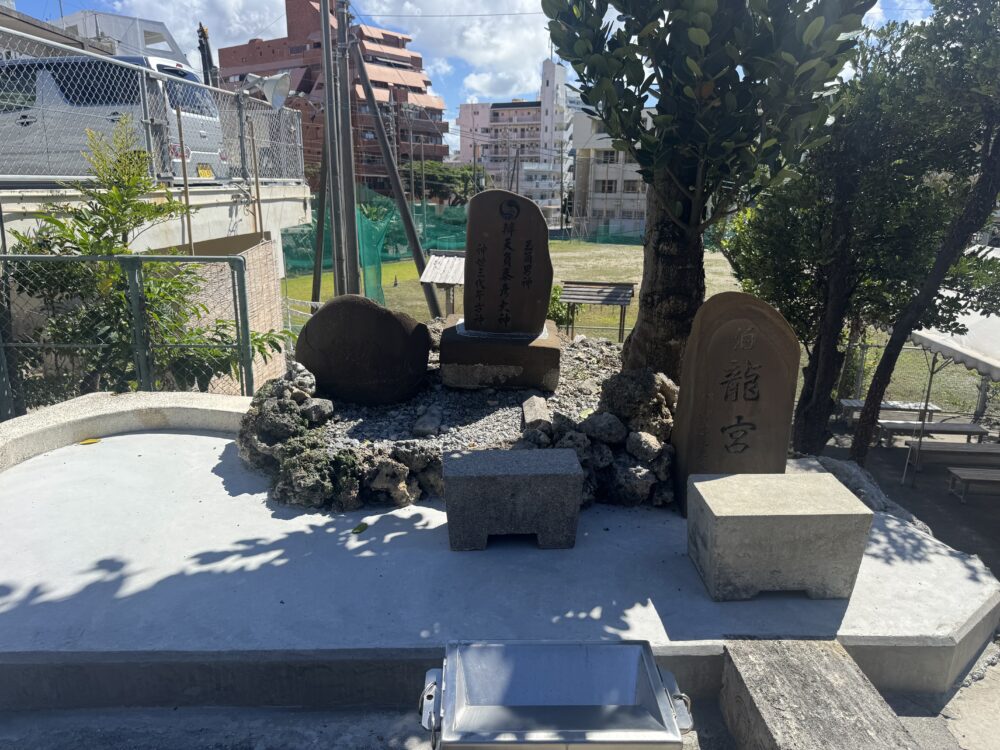
Alongside the traditional deities of Japan, Amekugu Shrine enshrines deities rooted deep in Okinawa’s reverence for the natural world.
The two to note in particular are Benten Oiyasuhiko-no-Okami, enshrined within the cave, and Tomari Ryugu-shin, worshipped as a deity of water and of the sea.
The utaki within the grounds
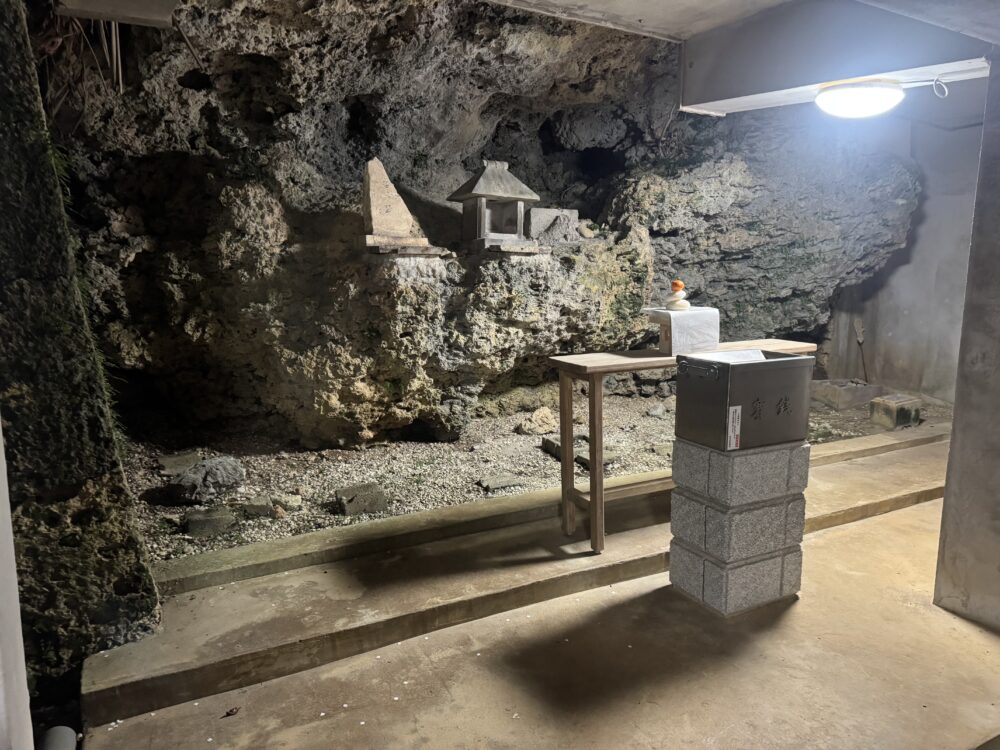
This is Tomari Yuiyagi Utaki.
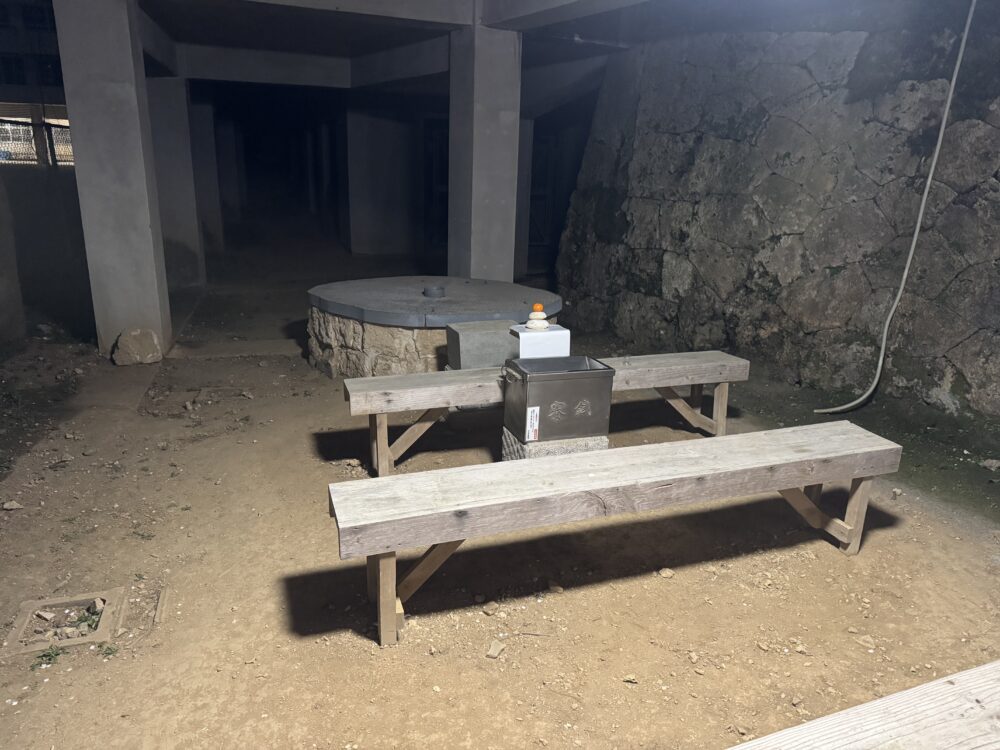
This is Mikazuki Ukaa.
What people come here to pray for
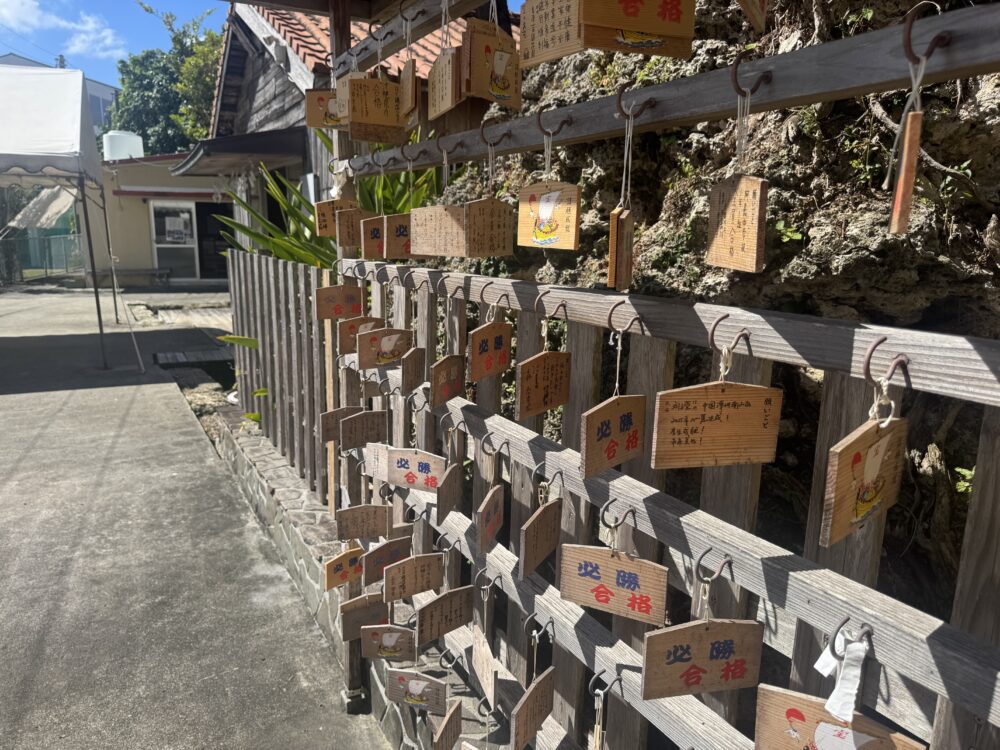
With so many deities enshrined here, Amekugu Shrine is known for granting a wide range of blessings.
- Safe voyages and road safety: given how close the shrine is to Tomari Port, prayers for safety at sea and on the road never stop.
- Business success and good fortune: many come to pray for their business to prosper, drawing on Benzaiten and the dragon deity.
- Good health: praying in a cave, a place likened to the womb of the earth, is said to leave both body and mind eased.
A shrine in the middle of a city that somehow lifts the weight of everyday worries — that is what makes Amekugu Shrine worth the trip.
A short video of Amekugu Shrine
Here is a short video of Amekugu Shrine. Do take a look.
Access & Parking
| Access | About 15 minutes by car from Naha Airport |
| Address | 3-19-9 Tomari, Naha, Okinawa |
| Parking | Yes |
| Restroom | Yes |
Amekugu Shrine has parking.
We would recommend using it.
History of Amekugu Shrine
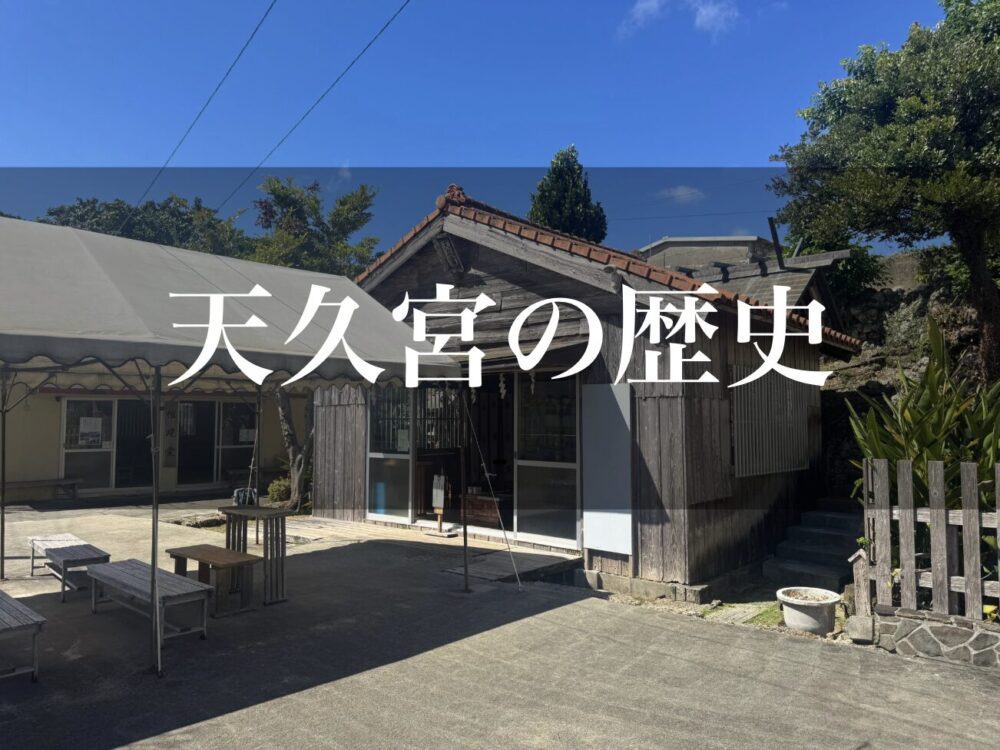
Amekugu Shrine is said to have been founded during the Chenghua era (1465-1487). Through the Ryukyu Kingdom it was one of the eight Ryukyuan shrines chosen by the court, and was treated as a matter of state importance.
Its origins lie in a curious legend. A resident of Mekaru village saw an elegant elderly couple disappear into a golden light streaming out of a cave. Believing this to be the descent of the gods, people made the cave a sacred site — and that is said to be how the shrine began.
The shrine buildings burned down in the Battle of Okinawa, but were rebuilt in their present form in 1972, the same year Okinawa reverted to Japan. The distinctive structure clinging to the steep slope stands for both the path of postwar recovery and the determination of Okinawans to hold on to a cave faith that reaches back into antiquity.
Nearby Information
Activities in Naha
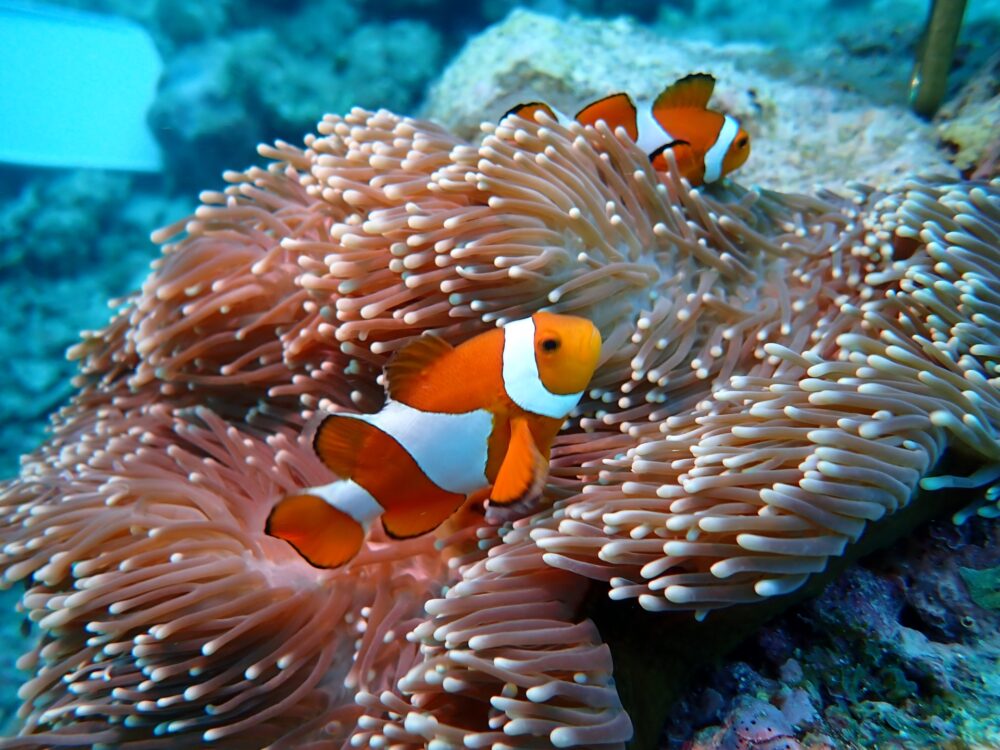
Naha, in the southern part of Okinawa’s main island, offers plenty of activities including diving and snorkeling.
You can book through GetYourGuide or Viator, so do take a look at what is on offer.
Rihga Royal Gran Okinawa
Rihga Royal Gran Okinawa connects directly to Asahibashi Station on the Yui Rail monorail, and is as little as five minutes by car or about ten by monorail from Naha Airport.
A Japanese-Western-Ryukyuan buffet breakfast at Dining 19 on the top floor, a welcome drink in every room and valet parking all add up to a genuinely comfortable stay.
You can check it on Booking.com, so do take a look.
A rental car is the way to go in Okinawa
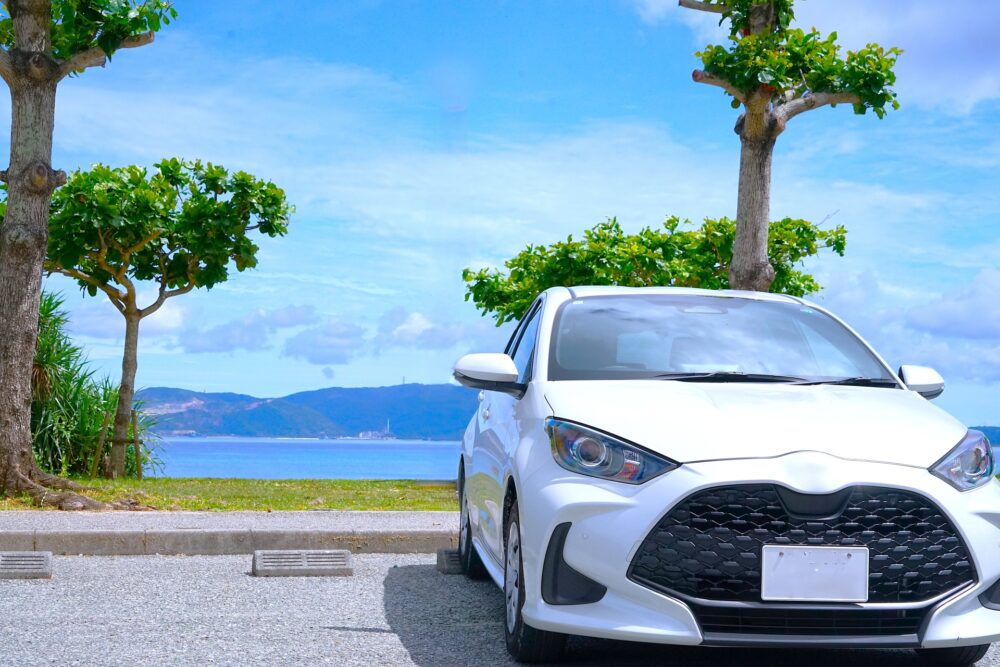
A rental car is by far the best way to get around the main island of Okinawa.
The places worth seeing are scattered across the island, from Shuri Castle in Naha to the beautiful beaches of the north and American Village in Chatan, and with a car you can take them at your own pace. Buses are infrequent and do not always run on time, so having a car or not makes a real difference to the trip.
Cars fill up quickly in the peak season, so we recommend booking early once your travel dates are set. One important note for overseas visitors: to drive in Japan you must obtain an International Driving Permit (Geneva Convention) in your home country before you depart, and remember that traffic in Japan drives on the left.
Summary
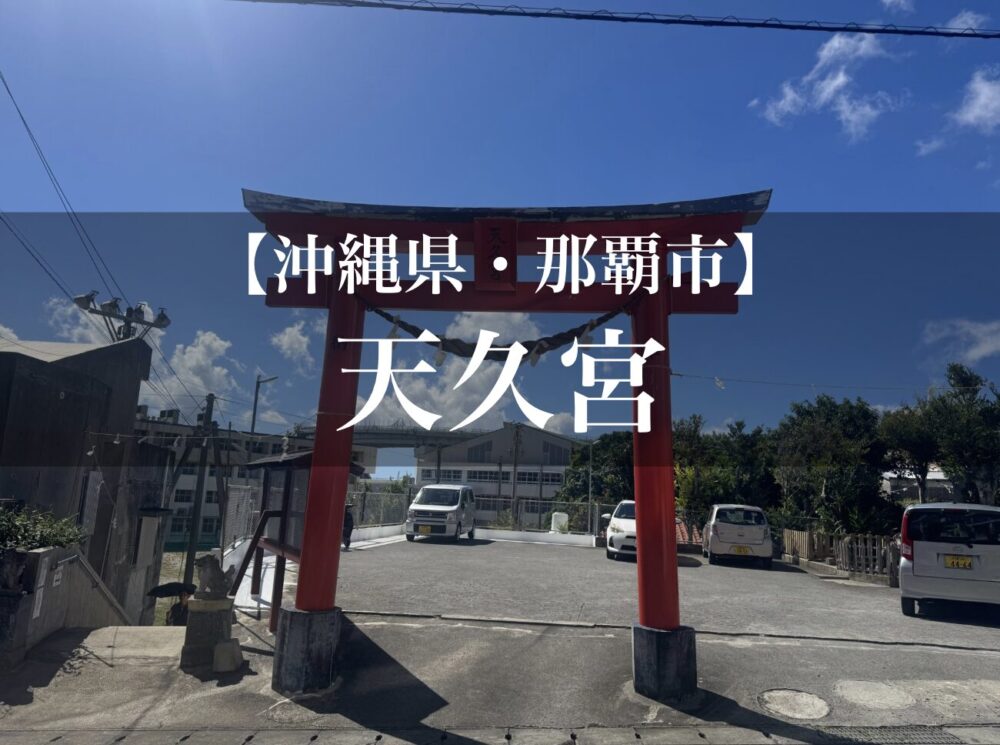
Standing quietly in the middle of Naha, Amekugu Shrine is a place where Okinawa’s deep-rooted faith is still very much alive.
It holds the standing of one of the eight Ryukyuan shrines, yet enshrines its deities in a cave underground — which says a great deal about Okinawa’s own tradition of revering nature as divine.
Look up at the sky from the worship hall at the top, then touch the energy of the earth in the cave at the bottom. Working down through those three levels is the kind of visit that settles the mind and sends you off with something in reserve.
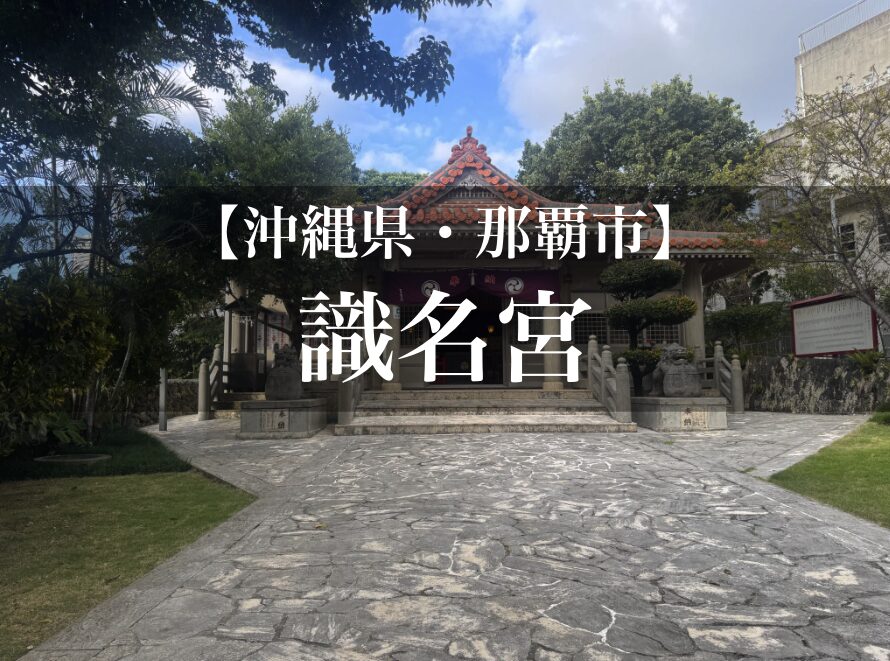
Comments