
Okinawa is known for its beautiful landscapes and rich culture, but its history also holds places that speak to how much peace matters.
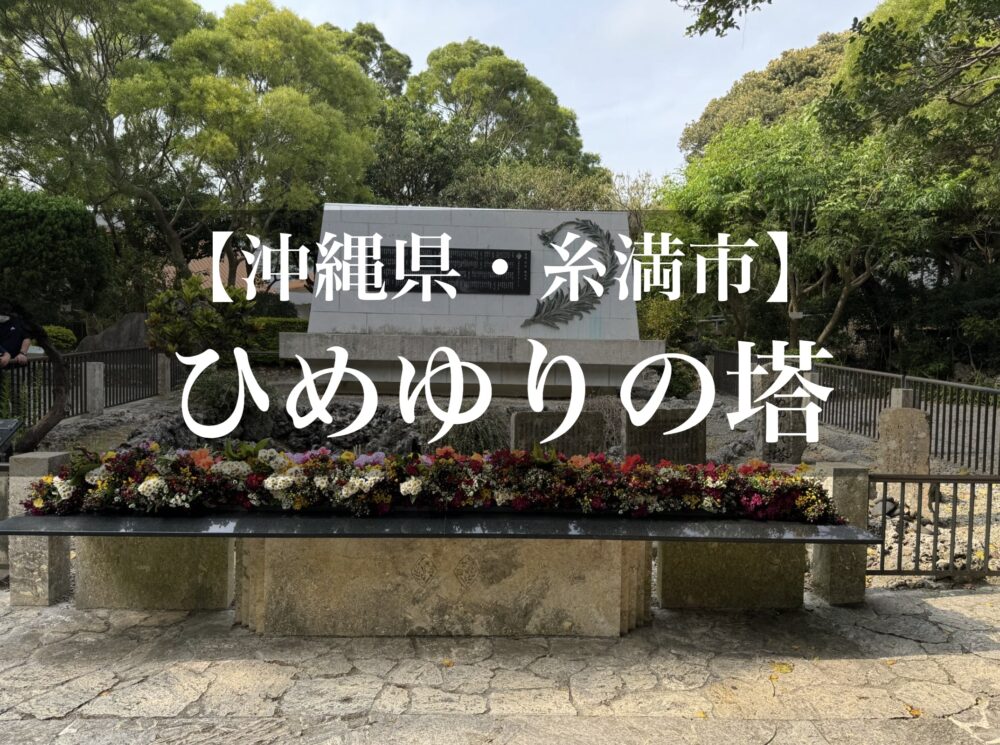
One of them is the Himeyuri Monument.
The monument was built to honor the students and teachers of the Himeyuri Student Corps who died in the Battle of Okinawa.
This article covers the time to allow at the Himeyuri Monument, parking information, and its history.
Ratings for the Himeyuri Monument
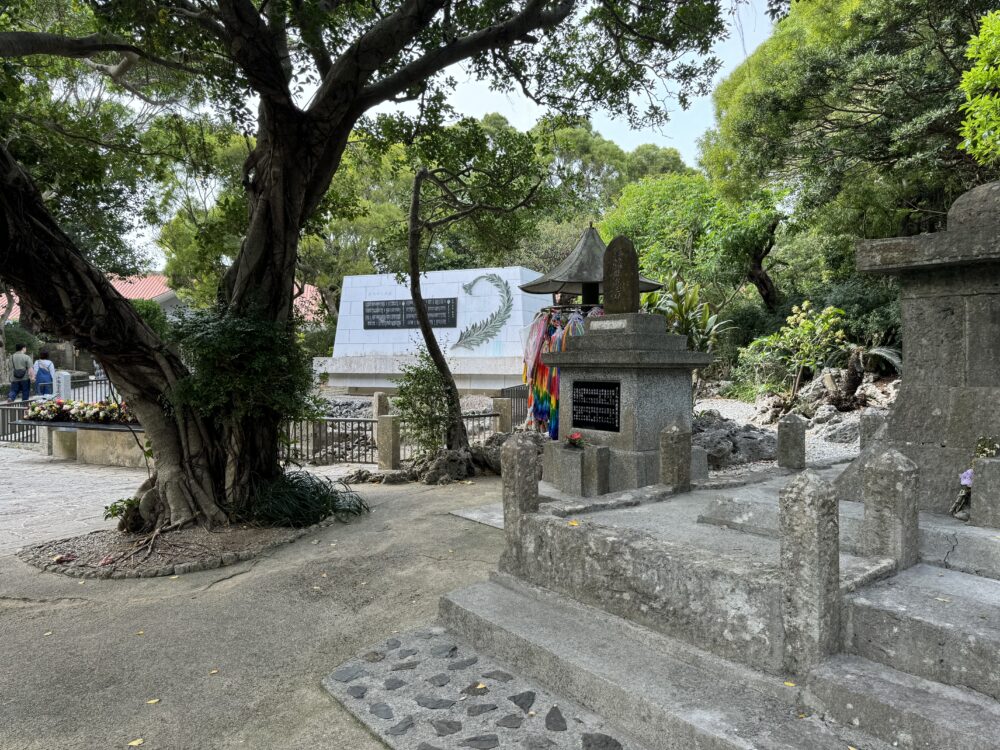
*Ratings are the personal impressions of the Okinawa Bookmark editor, compared with other historic sites in Okinawa
The Himeyuri Monument at a glance
| Opening hours | 9:00-17:25 (last entry 17:00) |
| Closed | Open year-round |
| Himeyuri Monument: admission | Free |
| Himeyuri Peace Museum (admission, individual) | Adults: 450 yen High school students: 250 yen Elementary and junior high students: 150 yen |
| Himeyuri Peace Museum (admission, groups of 20 or more) | Adults: 400 yen High school students: 200 yen Elementary and junior high students: 110 yen |
| Time needed (monument only) | About 20 minutes |
| Time needed (including the Himeyuri Peace Museum) | About 60 minutes |
| Parking | No dedicated parking (use the nearby souvenir shops) |
| Restrooms | Yes |
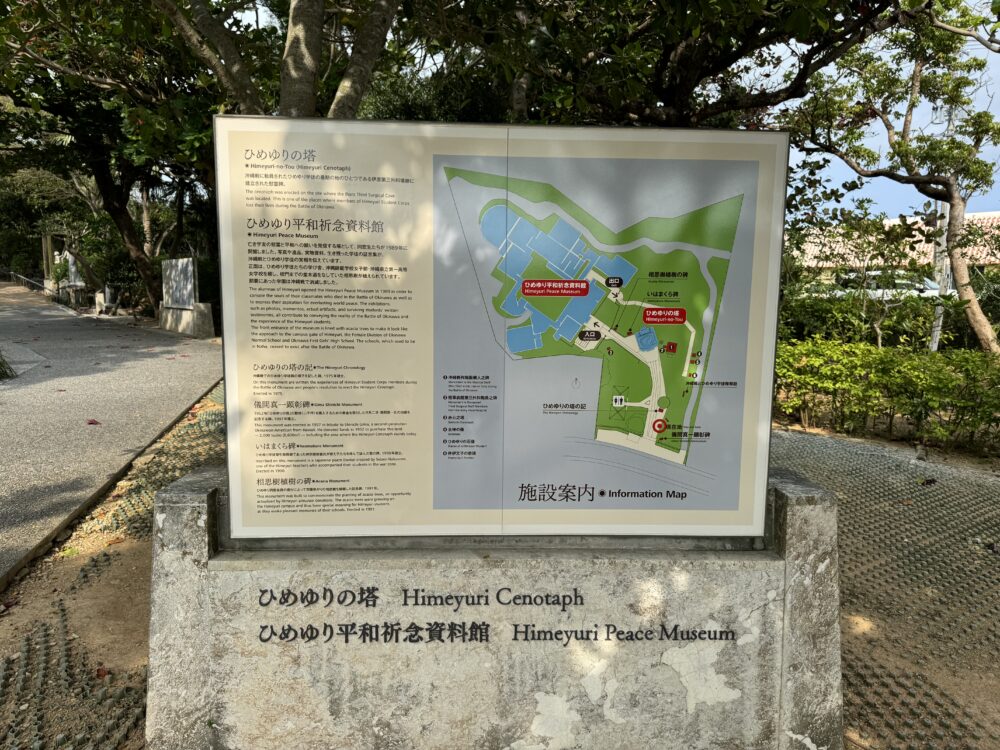
| Address | 671-1 Ihara, Itoman City, Okinawa |
Visiting the Himeyuri Monument is free; the Himeyuri Peace Museum charges admission.
About the Himeyuri Monument
What the Himeyuri Monument is
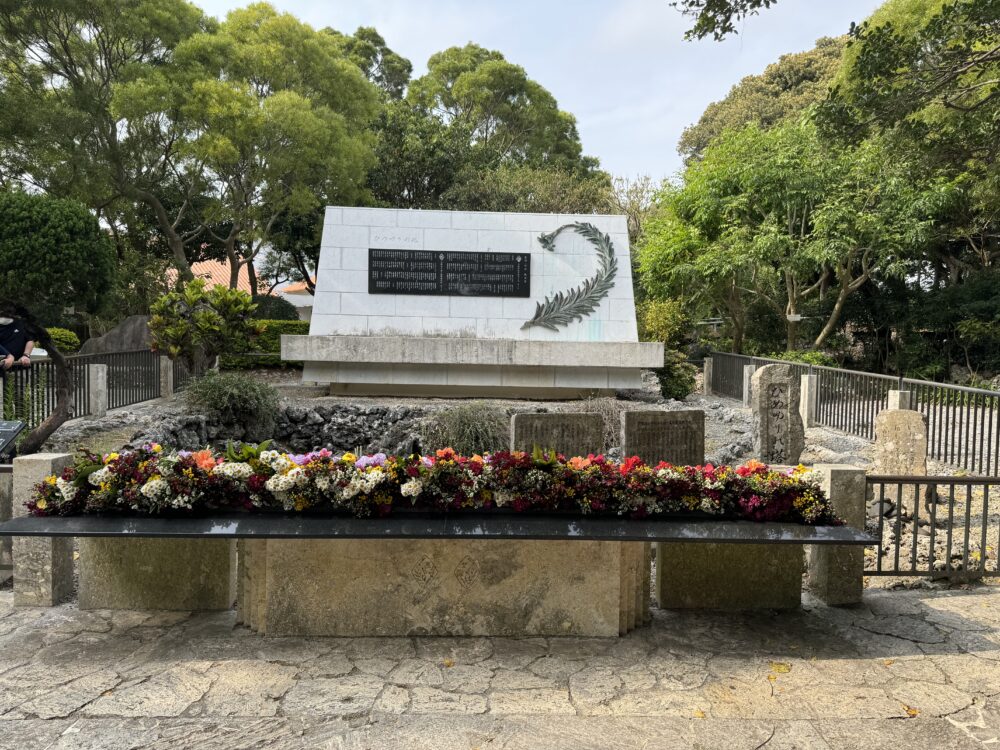
The Himeyuri Monument is a memorial built for the students and teachers of the Women’s Division of the Okinawa Normal School and Okinawa Daiichi Girls’ High School who died in the Battle of Okinawa in 1945.
The first monument was raised on April 5, 1946, and the present one was built in June 1957.
The names of 227 people are inscribed here, members of the Himeyuri Student Corps along with other students and teachers, making it a symbol that carries the cruelty of war and the value of peace to later generations.
What the Himeyuri Student Corps was
The Himeyuri Student Corps refers to the students of the Women’s Division of the Okinawa Normal School and Okinawa Daiichi Girls’ High School who were mobilized as nursing staff during the Battle of Okinawa.
Because both schools went by the nickname Himeyuri, the group came to be called the Himeyuri Student Corps.
They cared for large numbers of wounded soldiers under brutal conditions.
As the fighting worsened, many of the students lost their lives, and what happened is carried to the present through the Himeyuri Monument.
The Himeyuri Peace Museum
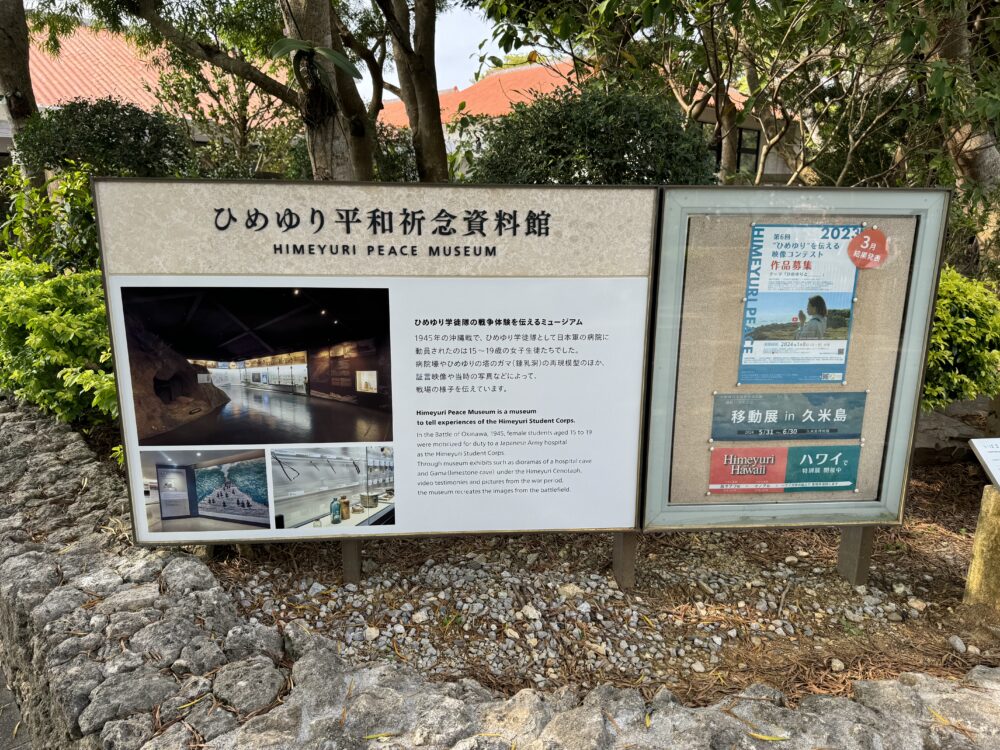
The Himeyuri Peace Museum, next to the monument, opened in 1989.
It was founded largely by survivors of the Himeyuri Student Corps, with the aim of passing on what war really is and how much peace matters.
The museum displays first-hand accounts from the Himeyuri Student Corps, personal effects, and photographs from the war years.
Reading the students’ own writings, you get a sense of just how harsh their experience was.
As you take in what daily life was like, the horror of war becomes very real.
There are also video testimonies by former Himeyuri students, so you can hear their voices directly.
The site where the Himeyuri students died
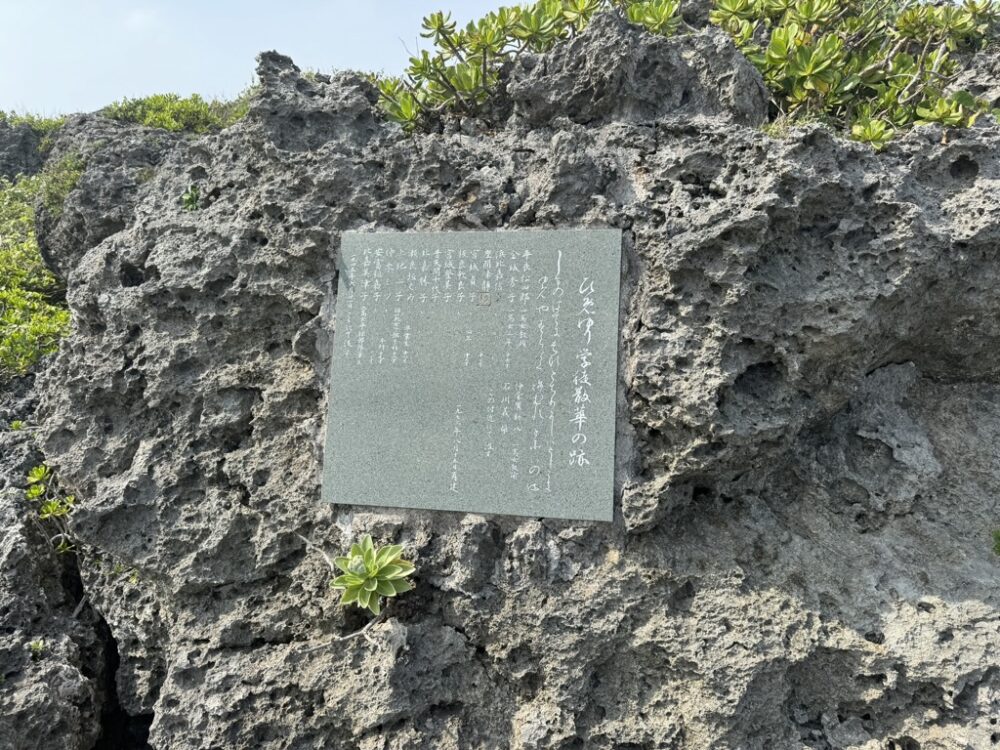
This is the place where Himeyuri students, with nowhere left to flee, took their own lives.
For details, please see the source below.
*Source: Itoman City: the site where the Himeyuri students died
Time needed
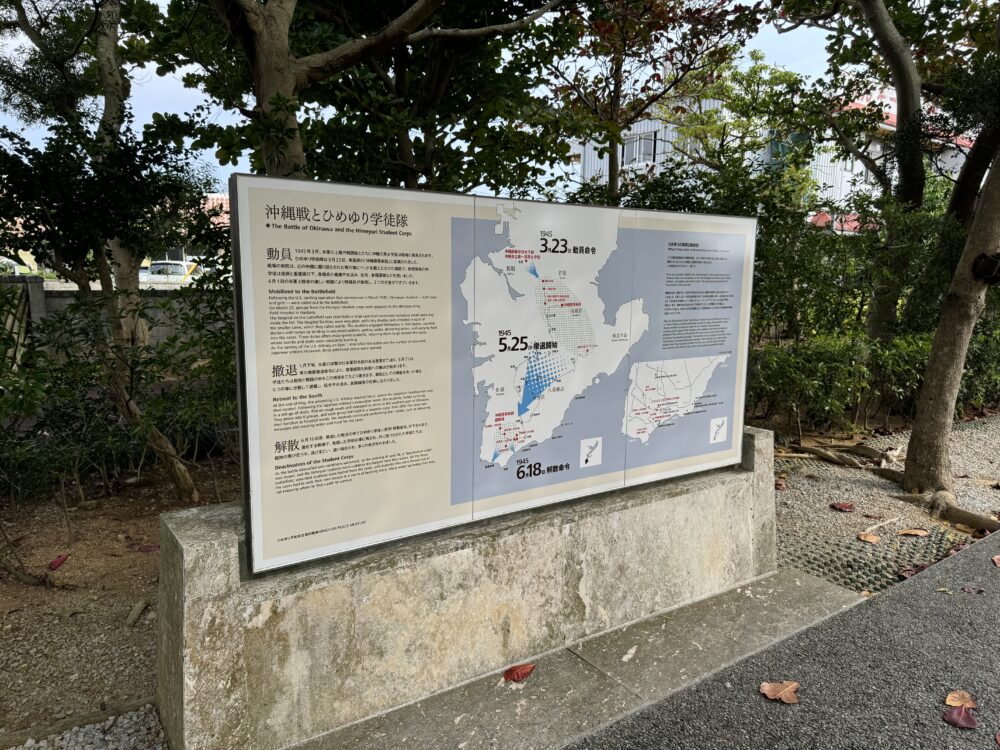
If you only walk the Himeyuri Monument and its immediate surroundings, allow about 20 minutes.
If you also visit the Himeyuri Peace Museum, allow about 60 minutes.
The history of the Himeyuri Monument
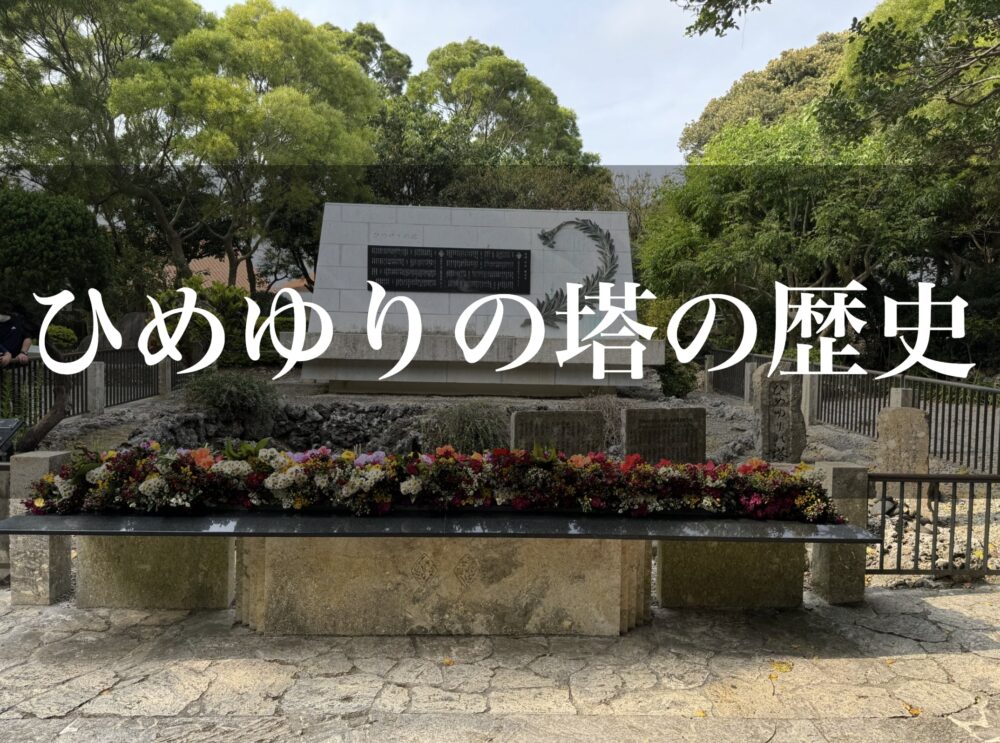
The Himeyuri Monument was built to honor the students and teachers of the Women’s Division of the Okinawa Normal School and Okinawa Daiichi Girls’ High School who died in the Battle of Okinawa in 1945, and to carry a wish for peace.
The first memorial went up in 1946, and in 1957 it was rebuilt as the monument that stands today.
As a symbol that carries the cruelty of war and the value of peace to later generations, it is an important place that draws many visitors.
Near the monument are the natural caves, known as gama, where students of the Himeyuri Student Corps hid, along with the remains of shelter sites, where visitors can learn what they went through.
At the Himeyuri Peace Museum you can also come to understand their wartime experience in depth, through personal effects, writings and video testimonies from survivors.
This area was one of the fiercest battlegrounds of the Battle of Okinawa, and many lives were lost here.
The Himeyuri Monument and the facilities around it stand as a place to keep the cruelty of war in mind and hold on to a wish for peace, and they carry a powerful message to everyone who comes.
Visiting the Himeyuri Monument is a chance to learn the history of the Battle of Okinawa, to honor those who died in it, and to think again about what peace means.
When you come to Okinawa, make time for the Himeyuri Monument and take its history and meaning with you.
Getting there and parking
| Access | About 30 to 40 minutes by car from Naha Airport |
| Address | 671-1 Ihara, Itoman City, Okinawa |
| Parking | Free (you can park at the nearby souvenir shops) |
| Restrooms | Yes |
The Himeyuri Monument has no dedicated parking lot, but a nearby restaurant has a free lot you can use.
There are several free lots as well, and as you approach the monument you will see signs reading “Himeyuri Monument, free parking,” so places to park are easy to find.
[Parking 1]
[Parking 2]
What’s nearby
Kyan Cape
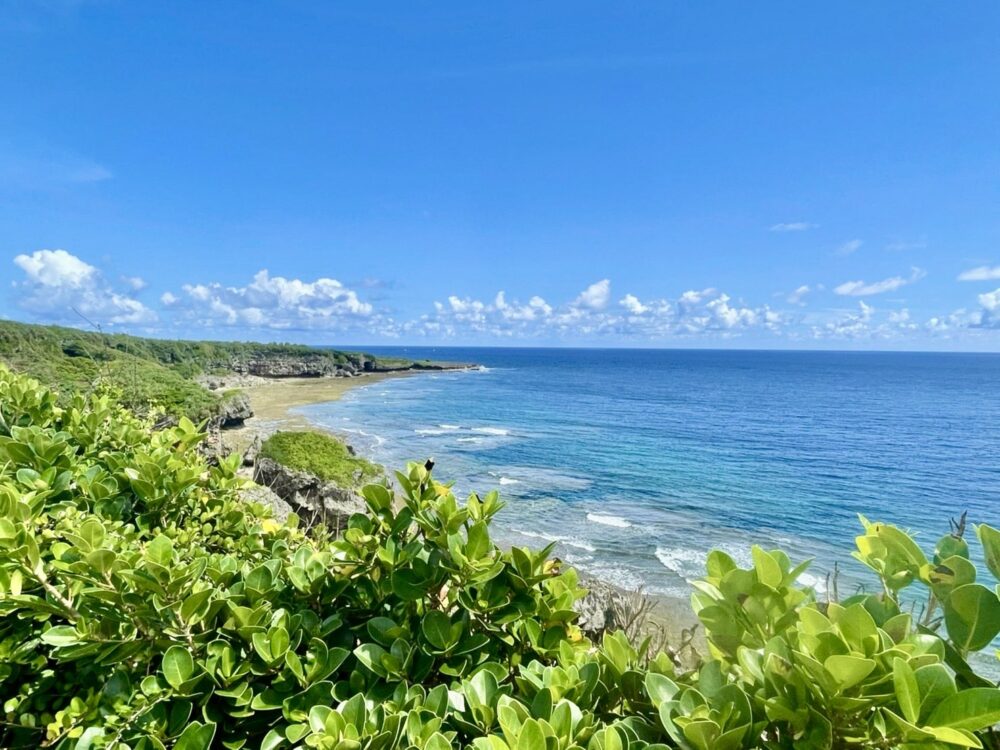
Kyan Cape is a cape in Itoman, in the south of Okinawa’s main island, known as the southernmost cape on the main island (the actual southern tip is Arasaki, about 1.4 km to the east).
A cliff about 30 meters high is its defining feature, and the view of the Arasaki coast from Kyan Cape is spectacular.
The southern area that includes Kyan Cape is designated as Okinawa Senseki Quasi-National Park, and the Tower of Peace, a memorial, stands at the tip of the cape.
*Source: Itoman City
Peace Memorial Park (Okinawa Prefectural Peace Memorial Park)
Peace Memorial Park is in Mabuni, Itoman City, in the south of Okinawa’s main island, where the Battle of Okinawa came to an end.
The park holds the Cornerstone of Peace, the Peace Hall and the Peace Memorial Museum, and draws visitors from Japan and abroad along with memorial groups and school trips, making it a hub for tourism as well.
*Source: Okinawa Prefectural Peace Memorial Park official site
Activities in Itoman
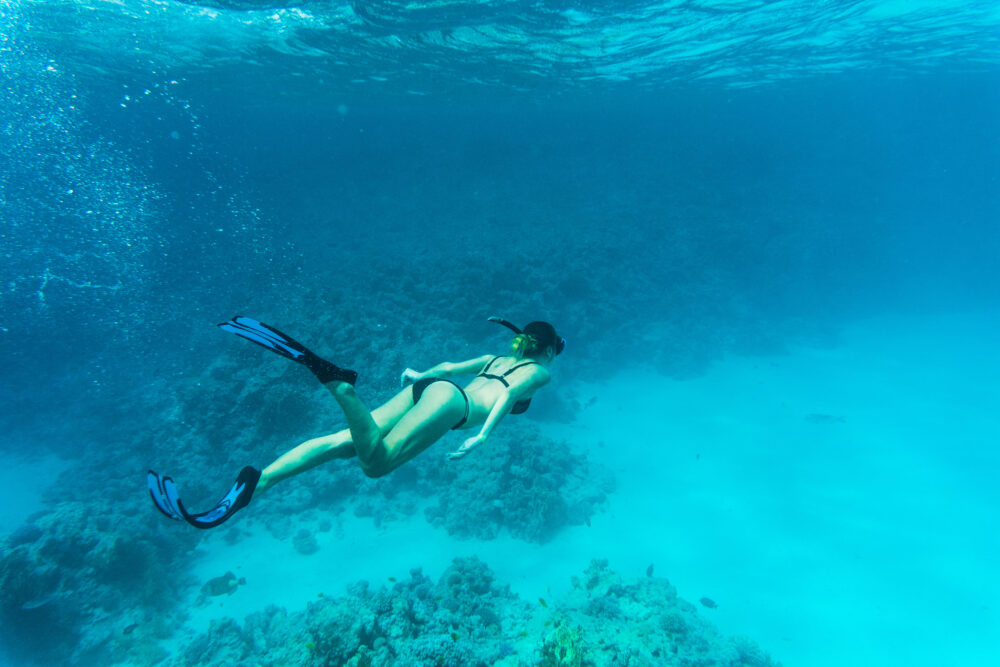
Itoman offers a range of marine activities.
You can book diving, snorkelling, SUP and more.
If you would like to try diving or snorkelling, take a look at what is available on GetYourGuide or Viator.
Summary
The Himeyuri Monument and the facilities around it are worth visiting for what they convey about the tragedy of the Battle of Okinawa and the importance of peace.
Keep the following in mind when you visit.
- The Himeyuri Monument: a memorial to the students and teachers of the Himeyuri Student Corps who died in the Battle of Okinawa.
- The Himeyuri Student Corps: mobilized as nursing staff at field hospitals, where many lost their lives.
- The Battle of Okinawa: the ground battle fought on Okinawa in the closing stage of the Pacific War, during which the Himeyuri Student Corps served.
- The Himeyuri Peace Museum: presents what the war was really like through personal effects, writings and survivor testimony from the Himeyuri Student Corps.
Visiting the Himeyuri Monument is a chance to take in the tragedy of war and the value of peace once more.
This is an important place not only for Okinawan history but for thinking about peace in the world.
Please visit the Himeyuri Monument and take in what it has to say.
Sources for this article
*Source: Himeyuri Monument and Himeyuri Peace Museum
*Source: Itoman City official site
Comments