
This time we’re looking at the dive sites in the Takano area of Miyako Island.
The Takano area sits on the east coast of Miyako Island’s main island, and dives here run out of Takano Fishing Port.
It isn’t as well known as the terrain around Irabu Island and Shimoji Island or the coral of Yabiji, but the reefs are well developed and the fish life is dense.
Among Miyako Island’s dive areas, this is also the one where new sites are still being opened up.
One dive shop specializes in the Takano area, and more than 20 sites have been named publicly.
This article covers the dive sites in the Takano area and what the water here is actually like.
What makes the Takano area special

The Takano area is located on the east coast of Miyako Island.
The character of the Takano area comes down to these four points.
| Feature | Details |
|---|---|
| The only established area on the east coast | Dives run from Takano Fishing Port, mostly to sites close to the harbor |
| Well-developed coral reefs | Coral and dense fish life from the shallows to the deep |
| A shop that specializes in the area | More than 20 sites have been named publicly |
| Still being explored | Few sites have published depths or levels |
The untouched feel of the east coast
Diving on Miyako Island is concentrated around Irabu Island, Shimoji Island and Yabiji.
The Takano area lies on the east coast, away from both, so there are few boats and few people. Diving here in peace is exactly its appeal.
Marine Diving describes the island’s east coast as “an area centered on Takano where new sites are still being opened up.”
In other words, this is an area where more dive sites are likely to appear.
Well-developed reefs and dense fish life
The reefs in the Takano area are exceptionally well developed.
Everything from macro critters to colorful anthias turns up here, and that variety is the area’s real strength.
Tsufutsuwa Reef, offshore from Takano Fishing Port, is a crescent-shaped hishi reef (a shallow reef that dries at low tide) lying east-northeast of Miyako Island. It’s about 15 to 20 minutes from the harbor by boat.
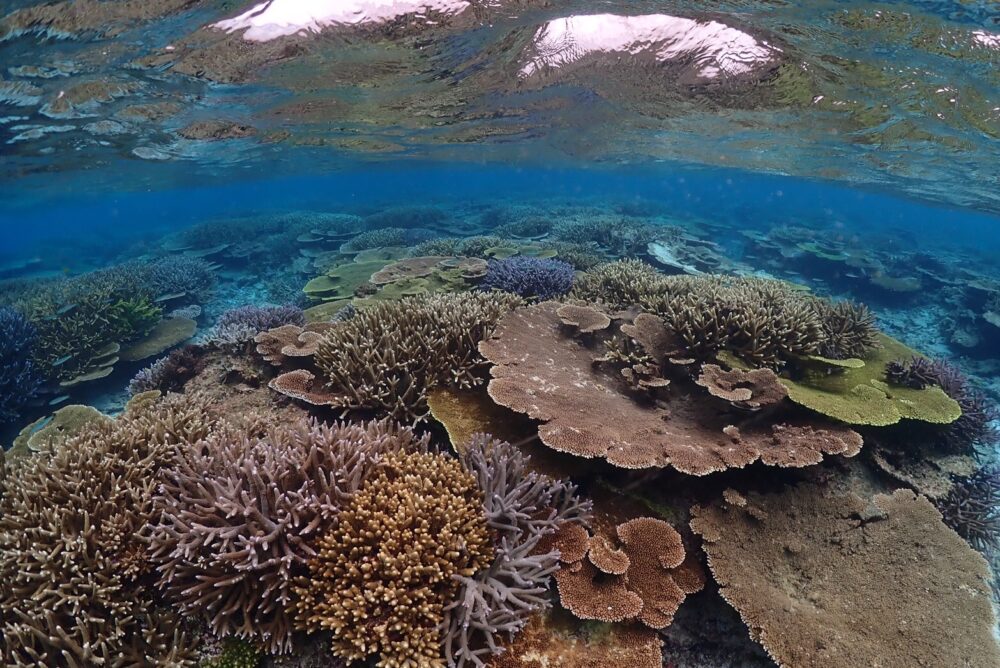
Coral colonies stretch out from around 5m, while the deeper side falls away to roughly 50m. Vivid blue branching coral and sprawling green finger coral are the highlights.
Close to the harbor, with short boat rides
Rock II is only about five minutes from the harbor by boat, so almost no time goes into travelling.
That makes the area a good fit if you get seasick easily or want to keep boat rides short.
| Item | Details |
|---|---|
| Home port | Takano Fishing Port (Higashi-Nakasonezoe, Hirara, Miyakojima City) |
| From Miyako Airport | About 10 minutes by car (head east from the airport and turn left at the end) |
| Boat ride | As little as five minutes from the harbor for some sites |
Which wind directions bring you here
On Miyako Island, the wind on the day decides which area you dive.
The Takano area is on the east coast, so on days with strong easterly or northeasterly winds the sea is too rough to go.
Conversely, it becomes an option when westerly or southwesterly winds leave Irabu Island and Shimoji Island rough.
| Wind | Sea conditions | Main area |
|---|---|---|
| Southerly | The Irabu Island side is calm | Irabu Island |
| Northerly | The Shimoji Island side is calm | Shimoji Island |
| Westerly / southwesterly | The west side turns rough and the east coast can become calm | Takano (east coast) |
| Easterly / northeasterly | The east coast turns rough | Takano is difficult |
*The actual call also depends on the waves and swell on the day. Follow your dive shop’s judgment.
Takano area dive site list
Here are the four dive sites in the Takano area.
| Dive site | Depth | Level | Highlights |
|---|---|---|---|
| Tsufutsuwa Reef | 5–30m | Intermediate | Coral colonies spreading from 5m |
| Nidan Reef | — | — | A reef with a cluster of coral sites |
| Sakyu Densetsu | — | — | Year-round sand, critter hunting |
| Rock II | Up to 30m | Intermediate | Schools of gurukun and surgeonfish, plus pelagics |
*Depths and levels vary by shop and course. Always check with your dive shop before booking.
*”—” means the information could not be confirmed from public sources.
*There are other sites as well, including Rock I, Triangle and Table Mountain. Check with the shop you use for the sites they actually visit.
Dive sites in the Takano area
Tsufutsuwa Reef
| Depth | 5–30m |
| Level | Intermediate |
| Current | Sometimes strong |
| Highlights | Coral colonies spreading from 5m |
Tsufutsuwa Reef is a crescent-shaped hishi reef off Takano Fishing Port. It lies east-northeast of Miyako Island, about 15 to 20 minutes from the harbor by boat.
Coral colonies of many kinds stretch out from around 5m, with damselfish and anthias schooling above them.
Vivid blue branching coral and sprawling green finger coral are the highlights.
Beyond the shallow coral, the outer reef drops away to around 50m. Dives themselves go no deeper than about 30m.
Sites on this reef include Fish Park (Tsufutsuwa Fish Park), Tsufutsuwa East, Heart Break Reef and Ochabatake.
The current can pick up here, so the site suits intermediate divers and above.
Nidan Reef
| Depth | — |
| Level | — |
| Current | — |
| Highlights | A reef with a cluster of coral sites |
Nidan Reef is the Takano area’s other major coral reef, alongside Tsufutsuwa Reef.
Its sites include Oasis, Nishiki-no-mori, Maru, Dango Drop and Kumaza.
Depths and levels are not published, so check with your dive shop before booking.
Sakyu Densetsu
| Depth | — |
| Level | — |
| Current | — |
| Highlights | Year-round sand, critter hunting |
Sakyu Densetsu is a sandy site about five minutes by boat from Takano Fishing Port.
It can be dived all year, and even in winter you can take your time hunting for critters, which makes it popular with photographers.
It is split into several sites under the name “Sakyu Densetsu series.”
Depths and levels are not published, so check with your dive shop before booking.
Rock II
| Depth | Up to 30m |
| Level | Intermediate |
| Current | Occasional |
| Highlights | Schools of gurukun and surgeonfish, plus pelagics |
Rock II is only about five minutes by boat from Takano Fishing Port.
Despite sitting so close to the harbor, the fish life is dense, with schools of gurukun (double-lined fusilier) and surgeonfish always around.
Pelagics such as bigeye trevally, dogtooth tuna and barracuda move through as well, making it far more rewarding than a close-in site would suggest.
Rock I sits right next door, and together the two are regarded as the Takano area’s big-animal sites.
Depths reach 30m, so leave yourself margin on depth and air.
Diving safely in the Takano area
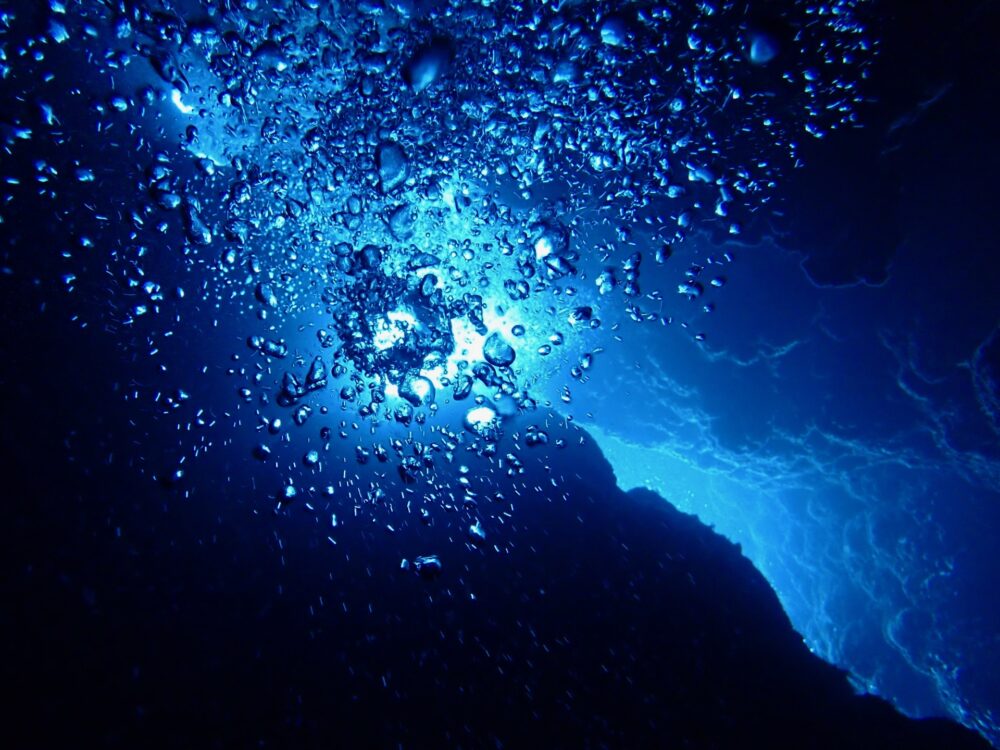
Tsufutsuwa Reef and Rock II both go to a maximum of 30m. Leave margin on your air and your no-decompression limit.
The current at Tsufutsuwa Reef can pick up. If you aren’t confident in current, don’t push it — talk to your dive shop.
The east coast turns rough on days with strong easterly or northeasterly winds. Whether you can go depends on the wind that day, so follow your shop’s judgment.
Never touch the coral. What took decades or centuries to grow can be destroyed by a single contact.
You need to leave time between diving and flying. Plan with room to spare — for example, don’t dive on the day you leave Miyako Island.
FAQ
Can beginners dive the Takano area?
Tsufutsuwa Reef and Rock II both reach 30m and can have current, so they suit intermediate divers and above.
If you’ve only just been certified, it’s safer to start with the shallow sites around Irabu Island or the shallows of Yabiji.
That said, there are also sandy sites like Sakyu Densetsu that can be dived year-round. Ask your shop if you’re interested.
When do shops go to the Takano area?
The shop decides where to go based on the wind that day.
When westerly or southwesterly winds leave the west side of the island rough, the Takano area on the east coast may be chosen. See “Which wind directions bring you here” for details.
If there’s an area you want to dive, telling the shop when you book can help.
How many dive sites are there in the Takano area?
More than 20 sites have been named publicly. This article covers four representative ones.
The Takano area is still being explored, and each shop visits a different set of sites.
Ask the shop you plan to use about the sites they actually dive.
Can I enter the water on my own from Takano Fishing Port?
Takano Fishing Port is a working harbor used by the local fishing industry.
All of the sites covered here are reached by boat, so join a dive shop’s tour.
Around the Takano area
Shirakawa-hama (Susakabama)

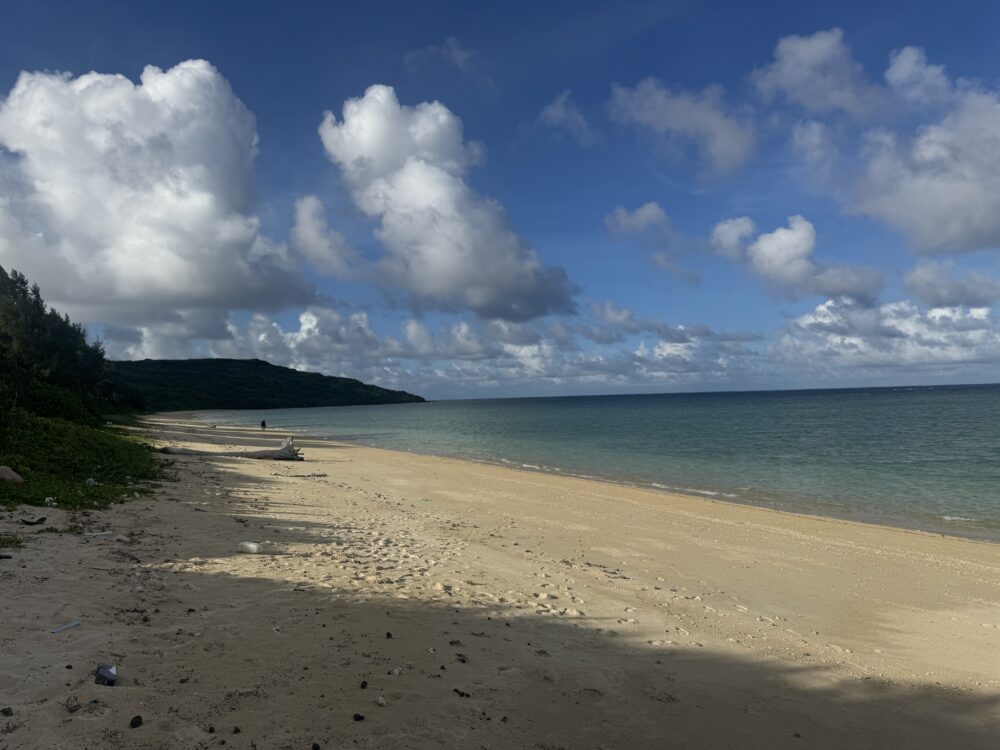
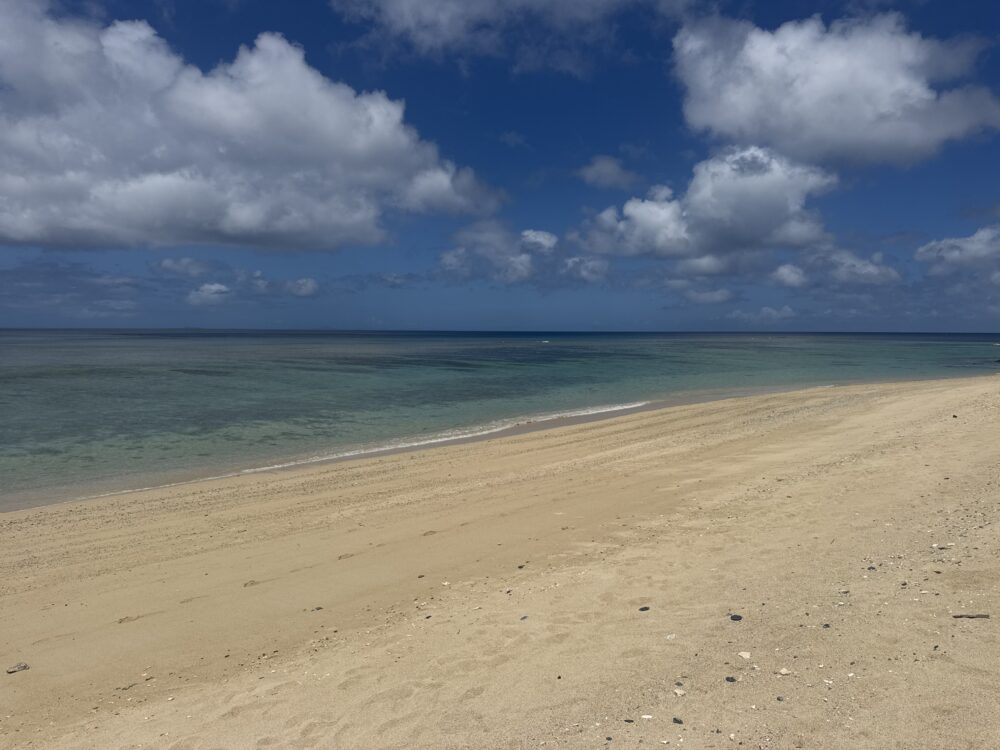
Shirakawa-hama (Susakabama) is a hidden beach in Higashi-Nakasonezoe, Hirara, the same district as Takano Fishing Port.
It’s a quiet stretch of sand that tourists almost never reach, about 20 minutes by car from Miyako Airport.
It’s an easy stop before or after a dive, with the untouched scenery that defines the east coast.
Shimajiri Mangrove Forest
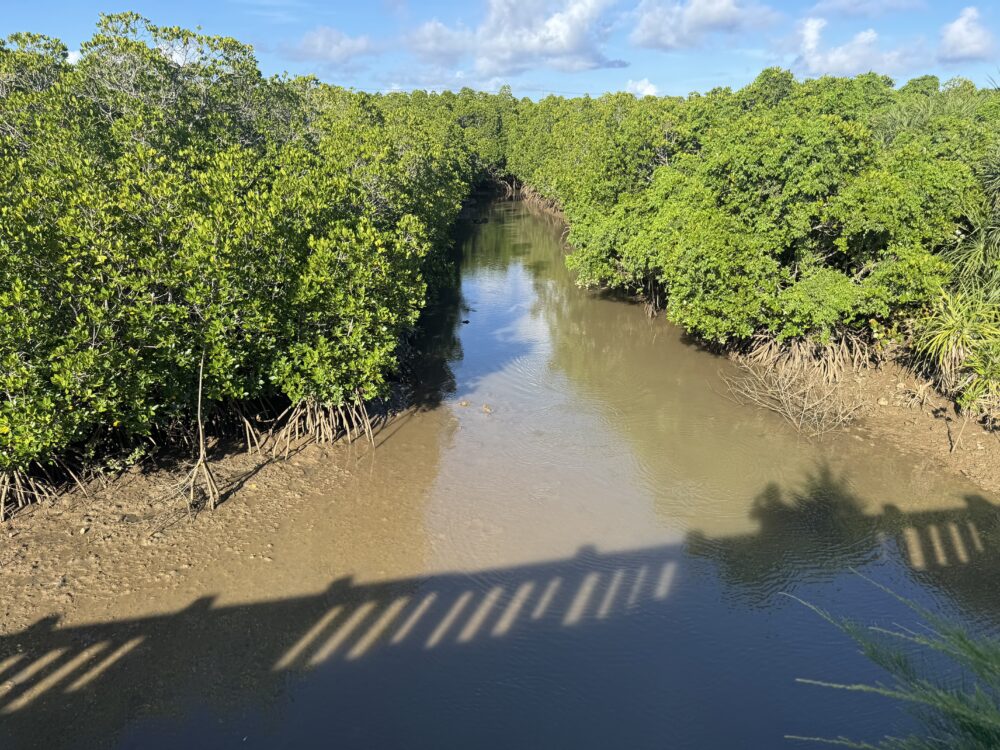
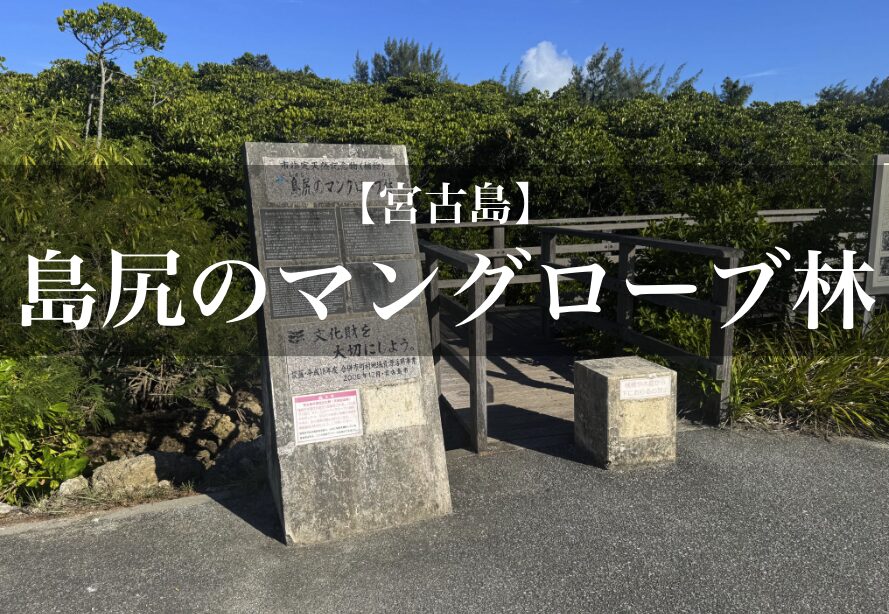
Shimajiri Mangrove Forest is the largest mangrove stand in the Miyako Islands.
A wooden boardwalk runs through it, making it an easy stop when you head to the north of the island.
Activities on Miyako Island
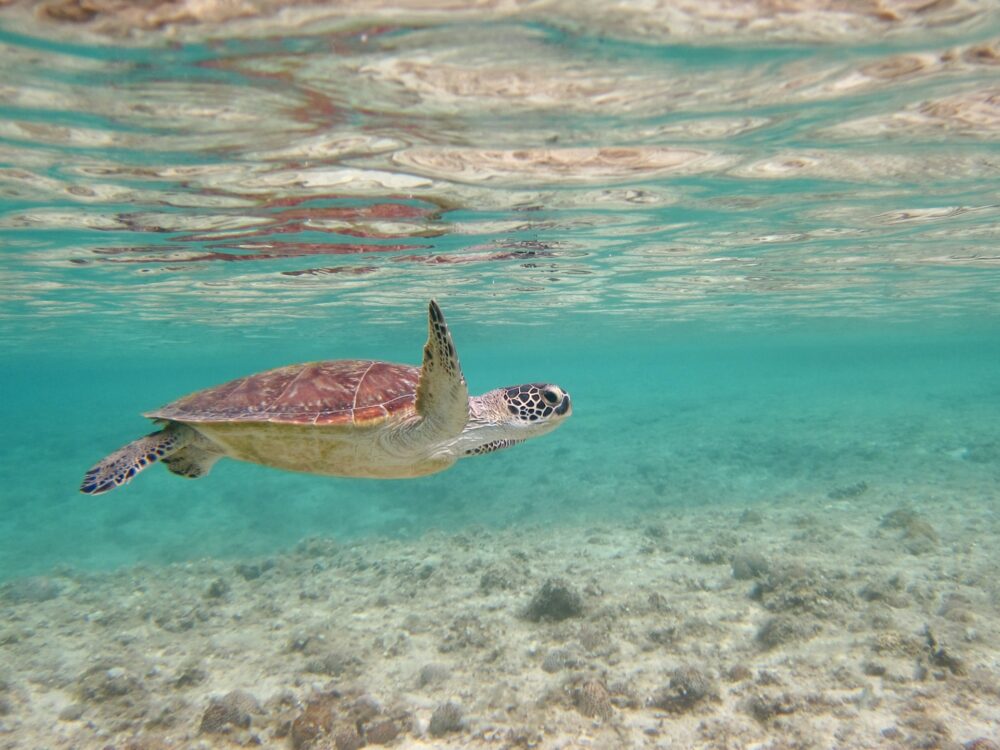
Miyako Island offers all kinds of marine activities.
Alongside fun dives and try dives, you can book snorkeling, SUP and more.
If you’re interested, take a look at what’s on offer through Viator or GetYourGuide.
Renting a car on Miyako Island
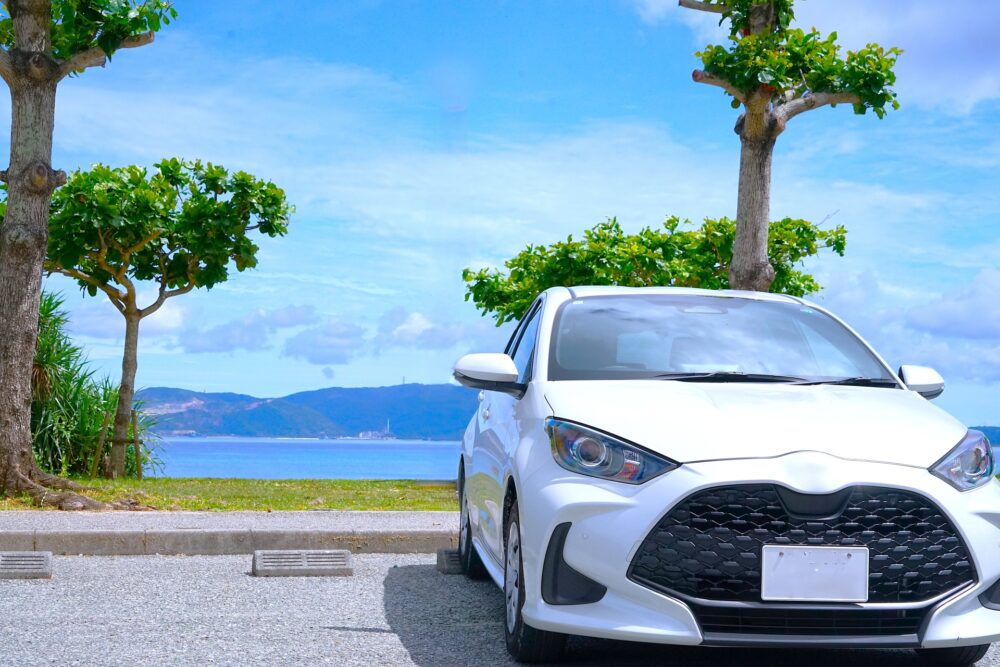
A rental car is by far the best way to get around Miyako Island.
Scenic spots such as Yonaha Maehama and Irabu Ohashi Bridge are scattered across the island, so having a car lets you explore at your own pace. With so few buses on Miyako Island, whether or not you have a car makes a real difference to the trip.
Popular seasons book up quickly, so reserve early once your dates are set.
Summary
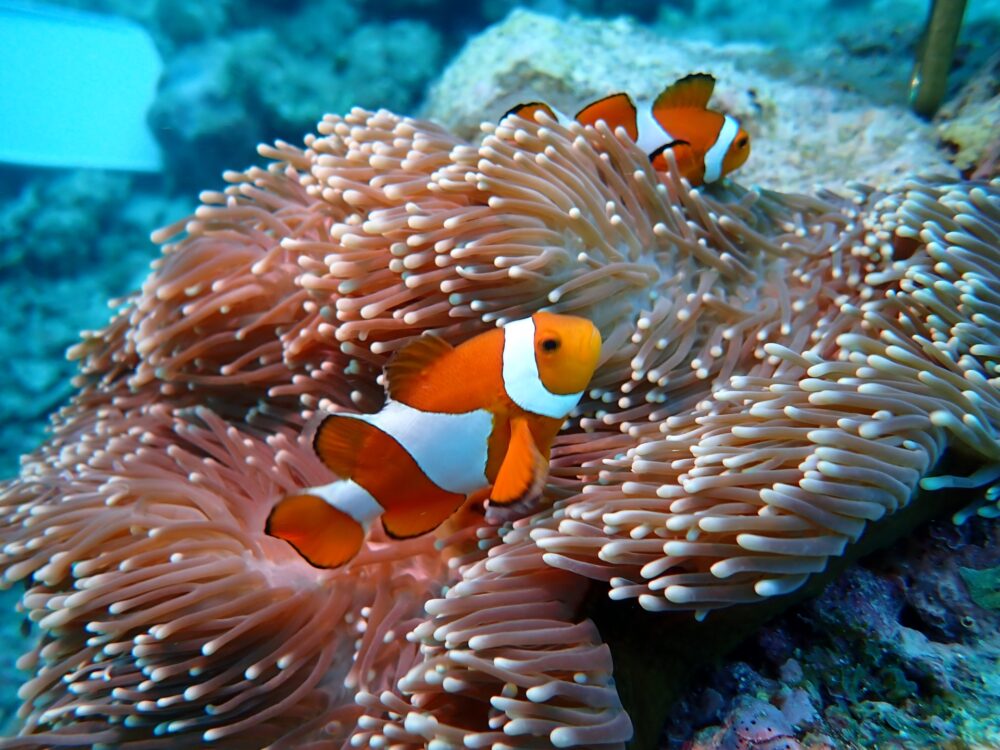
This article covered the dive sites in the Takano area.
The Takano area is on the east coast of Miyako Island’s main island, with dives run out of Takano Fishing Port.
The reefs are well developed and the fish life is dense, and although the sites sit close to the harbor, you still get to dive in peace.
More than 20 sites have been named publicly, but few have published depths or levels — this is an area that will keep opening up.
You may well be taken here on a day when the wind suits, so it’s worth asking your dive shop.
Dive sites in Miyako Island’s other areas are covered together in the articles below.
Thank you for reading to the end.
Comments