
This time we’re looking at the dive sites in the Yabiji area of Miyako Island.
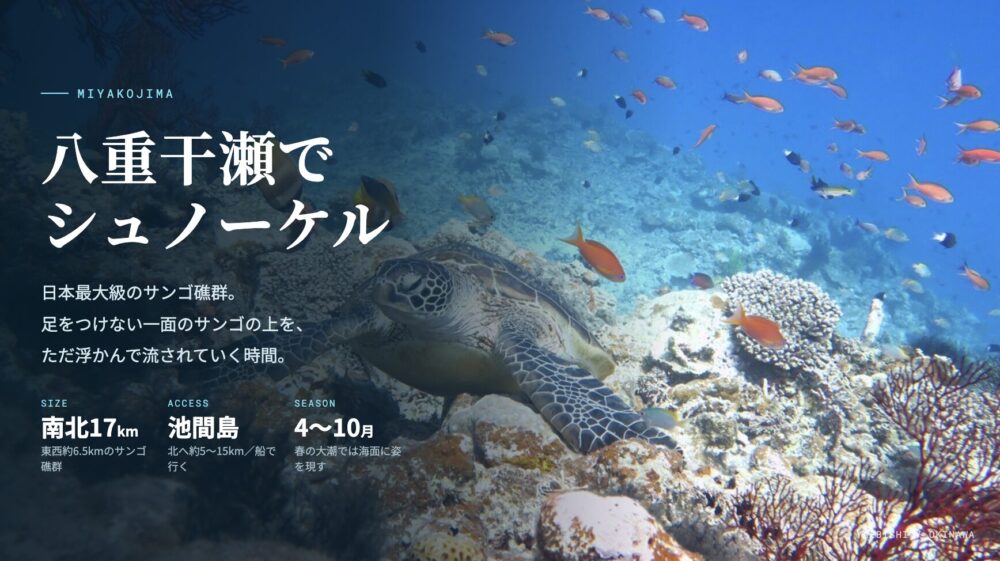
Yabiji is a vast complex of table reefs spreading out in the open sea north of Ikema Island — the largest of its kind in Japan.
It is designated a National Place of Scenic Beauty and a Natural Monument, and is sometimes called “Japan’s Great Barrier Reef.”
If Irabu Island and Shimoji Island are the areas for terrain, Yabiji is the area for coral and big animals.
This article covers 14 dive sites in the Yabiji area, with depths and levels.
What makes the Yabiji area special

The Yabiji area lies north of Miyako Island, where one of Japan’s largest reef systems spreads out.
The character of the Yabiji area comes down to these three points.
| Feature | Details |
|---|---|
| Japan’s largest table reef complex | 16.8km east to west and 14.5km north to south, with more than 100 reefs scattered through it |
| Shallow coral is the main event | Coral grows from the surface down to about 15m, and is at its most vivid around 5m |
| Big animals from the open ocean | Barracuda and giant trevally are on the cards at Blue Corner and Hanadai Arch |
The coral here is the best on Miyako Island
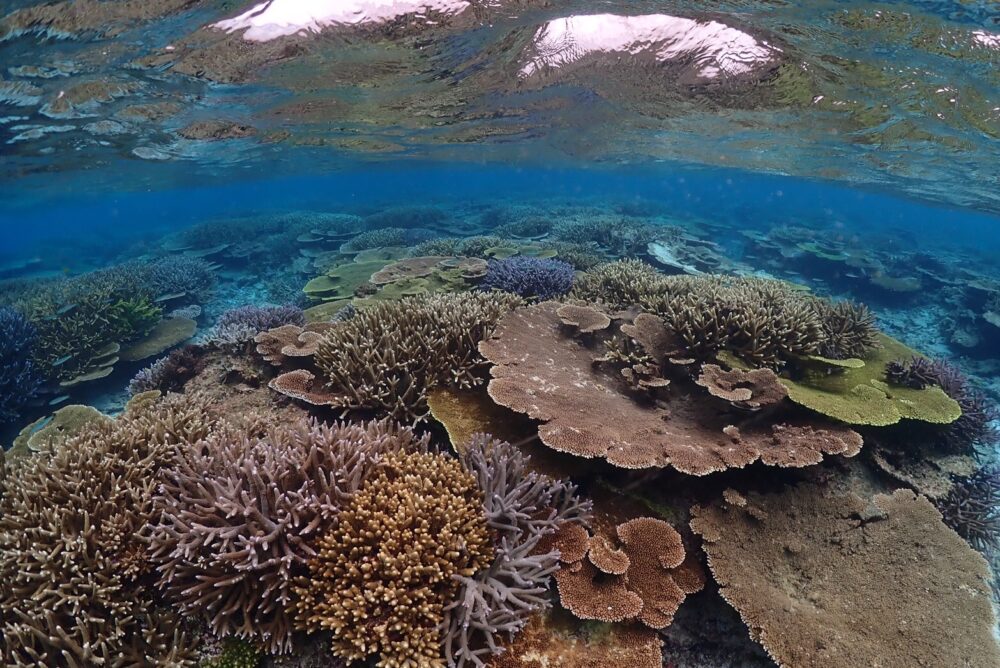
The star of Yabiji is, without question, the coral.
All kinds of coral grow from the surface down to around 15m, and in the shallows around 5m the light reaches easily, so the colors really come through.
It photographs and films beautifully, so plenty of divers come here specifically to shoot underwater.
| Highlights | Representative sites |
|---|---|
| Branching coral gardens | Yurabiji / Coral Beauty |
| Table coral | Bimaku / Tannyabiji |
| Unusual coral | Bimaku (Pavona clavus coral over 1,000 years old) / Agaragausa |
| White sand | White City / Emerald Garden |
Open-ocean sites for big animals
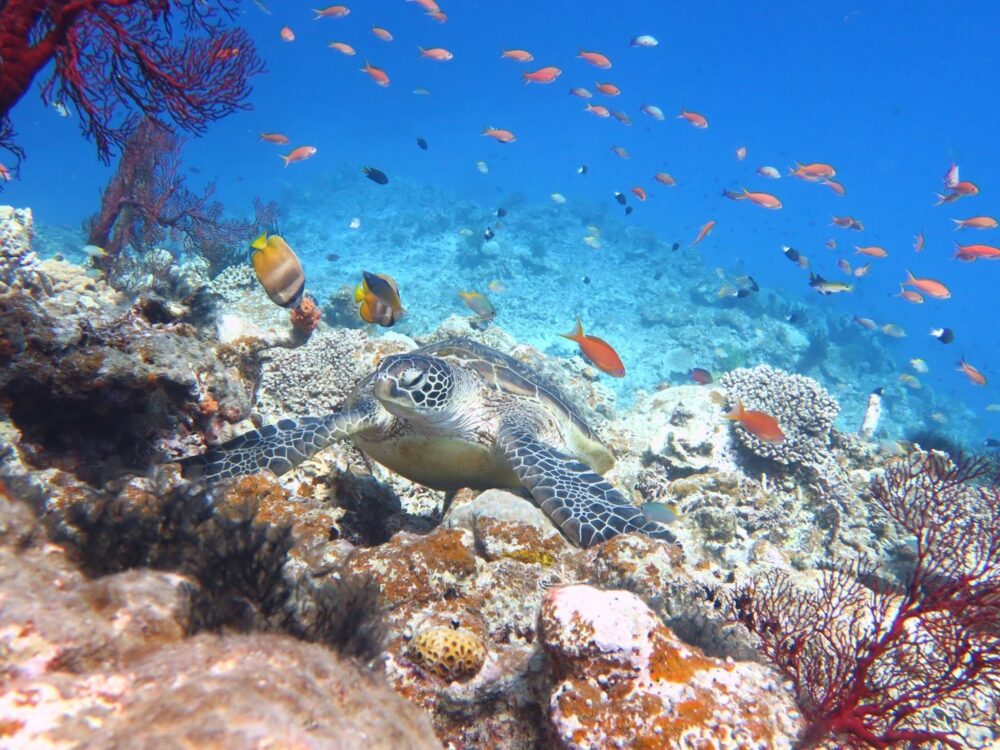
Yabiji faces the open sea, so alongside the coral you can also target big animals — pelagic fish, sharks and other large marine life.
The big-animal sites do get current, though, and it can run hard.
Until you have a few dives under your belt, starting with the shallow coral sites is the safer choice.
| Dive site | Big animals |
|---|---|
| Blue Corner | Big schools of barracuda (sometimes over 100 fish) |
| Hanadai Arch | Giant trevally / sea turtles |
| Providence II | Dogtooth tuna / barracuda / Napoleon wrasse |
| White City | Rays / sharks |
The best season runs from spring to summer
Yabiji sits in open water north of Ikema Island, so in winter, when northerly winds are strong, there are more days when boats can’t run.
Spring through summer, when southerly winds dominate, is the main season, with far more calm days.
Early spring brings broadclub cuttlefish spawning, and summer brings the hatchlings and coral spawning — seasonal sights you won’t see at other times.
| Season | Sea conditions | Seasonal highlights |
|---|---|---|
| Spring (March–May) | More southerly wind, more calm days | Cuttlefish spawning |
| Summer (June–September) | Peak season, with high visibility | Cuttlefish hatching / coral spawning |
| Autumn–winter (October–February) | Northerly winds mean more cancellations | — |
*Whether boats can leave changes day to day with sea conditions. Follow your dive shop’s judgment.
Yabiji area dive site list
Here are the 14 dive sites in the Yabiji area, ordered from the most popular.
If you’d like the overview first, start with the table below.
| Dive site | Depth | Level | Highlights |
|---|---|---|---|
| White City | Up to 10m | Beginner | White sand, rays, sharks, anemonefish |
| Hanadai Arch | Up to 20m | Advanced | Arch, giant trevally, turtles |
| Blue Corner | Up to 20m | Advanced | Schooling barracuda |
| Agaragausa | Up to 30m | Intermediate | Coral gardens like a cabbage field |
| Bimaku | Up to 20m | Beginner | Pavona clavus coral over 1,000 years old |
| Yurabiji | Up to 15m | Beginner | The most colorful spot in Yabiji |
| Tugboat Wreck | Up to 18m | Intermediate | A tugboat on the seabed |
| Coral Beauty | Up to 15m | Beginner | Branching coral in every color |
| Ifu | — | Beginner | Shallows, turtles, glassfish |
| Providence I | — | Intermediate | Schools of purple queen anthias |
| Providence II | — | Advanced | Dogtooth tuna, barracuda, Napoleon wrasse |
| Hanadai Corner | — | Intermediate | Purple queen anthias, whitetip reef sharks |
| Tannyabiji | — | Beginner | Table coral, anthias |
| Emerald Garden | — | Beginner | Sandy bommies, critter hunting |
*Depths and levels vary by shop and course. Always check with your dive shop before booking.
*”—” marks sites whose depth could not be confirmed from public sources.
Dive sites in the Yabiji area
White City
| Depth | Up to 10m |
| Level | Beginner |
| Current | Rarely |
| Highlights | White sand, rays, sharks, anemonefish |
White City is a relaxed site where coral bommies dot a stretch of white sand.
Rays often lie buried in the sand, and sharks pass through from time to time.
It’s shallow with gentle current, so beginners can dive it comfortably.
Hanadai Arch
| Depth | Up to 20m |
| Level | Advanced |
| Current | Sometimes strong |
| Highlights | Arch, giant trevally, turtles |
Hanadai Arch brings together arch terrain, coral and fish — a rare combination in Yabiji.
You’ll see everything from big animals such as giant trevally and sea turtles down to the smallest critters.
It’s regarded as one of Miyako Island’s finest open-ocean sites for big animals, but the current can run hard.
Blue Corner
| Depth | Up to 20m |
| Level | Advanced |
| Current | Sometimes strong |
| Highlights | Schooling barracuda |
Blue Corner is one of the standout big-animal sites in Yabiji.
Barracuda around a meter long sometimes gather in schools of more than 100 fish, and the sight is genuinely overwhelming.
It’s an open-ocean site that gets current easily, so you need the experience to handle moving water.
Agaragausa
| Depth | Up to 30m |
| Level | Intermediate |
| Current | Occasional |
| Highlights | Coral gardens like a cabbage field |
Agaragausa is a site where Echinopora lamellosa and Pachyseris speciosa coral spread across the seabed at around 30m.
The scene is often compared to a cabbage field, and it’s unlike anything else in Yabiji.
Cuttlefish spawning in early spring and the hatchlings in summer are further highlights here.
Bimaku
| Depth | Up to 20m |
| Level | Beginner |
| Current | Rarely |
| Highlights | Pavona clavus coral over 1,000 years old |
The main draw at Bimaku is an unusual coral, Pavona clavus.
It’s estimated to be more than 1,000 years old, which gives you a real sense of Yabiji’s history.
Table coral spreads out here too, and green sea turtles sometimes rest among it.
Yurabiji
| Depth | Up to 15m |
| Level | Beginner |
| Current | Rarely |
| Highlights | The most colorful spot in Yabiji |
Yurabiji is said to be the most colorful site in Yabiji.
Purple queen anthias swarm over the shallow branching coral, and at around 5m the light brings the colors out sharply.
The current is gentle too, making it a relaxed site you can take slowly.
Tugboat Wreck
| Depth | Up to 18m |
| Level | Intermediate |
| Current | Occasional |
| Highlights | A tugboat on the seabed |
Tugboat Wreck is a site where you can dive a tugboat resting on the bottom.
It’s smaller than the wreck off Irabu Island, but the visibility here more than makes up for it.
Current can pick up, so take care not to stray too far from the wreck.
Coral Beauty
| Depth | Up to 15m |
| Level | Beginner |
| Current | Rarely |
| Highlights | Branching coral in every color |
Coral Beauty is a shallow site carpeted with branching coral in every color.
Because the colonies sit in shallow water, the colors come out beautifully in photos and video.
Ifu
| Depth | — |
| Level | Beginner |
| Current | Rarely |
| Highlights | Shallows, turtles, glassfish |
Ifu is a bright, shallow site that photographs well.
Sea turtles drop in from time to time, and you’ll also find schools of glassfish and sweepers.
Providence I
| Depth | — |
| Level | Intermediate |
| Current | Occasional |
| Highlights | Schools of purple queen anthias |
Providence I is a site where purple queen anthias blanket the bommies.
On the seaward side you may also meet sea turtles and giant trevally.
Providence II
| Depth | — |
| Level | Advanced |
| Current | Sometimes strong |
| Highlights | Dogtooth tuna, barracuda, Napoleon wrasse |
Providence II is an open-ocean site with dogtooth tuna, schooling barracuda and Napoleon wrasse.
You can occasionally spot the uncommon longnose hawkfish here too.
The current runs fast, so dives are usually timed for slack water.
Hanadai Corner
| Depth | — |
| Level | Intermediate |
| Current | Occasional |
| Highlights | Purple queen anthias, whitetip reef sharks |
As the name suggests, the highlight at Hanadai Corner is the schooling purple queen anthias.
You may also catch giant trevally passing through, or whitetip reef sharks resting up.
Tannyabiji
| Depth | — |
| Level | Beginner |
| Current | Rarely |
| Highlights | Table coral, anthias |
Tannyabiji is a calm site where table coral spreads across the bottom.
Anthias dancing above it make for a memorable scene.
Emerald Garden
| Depth | — |
| Level | Beginner |
| Current | Rarely |
| Highlights | Sandy bommies, critter hunting |
Emerald Garden is a site where you work your way around bommies dotted through the sand, looking for small marine life.
Glassfish and sweepers school around the bommies.
Recommended sites for beginners
If you’ve just been certified, or it’s your first time at Yabiji, these are the sites to go for.
All of them are shallow with gentle current, so you can take your time with the coral.
| White City | Up to 10m. A relaxed site with bommies dotted across white sand. Rays and sharks turn up from time to time |
| Yurabiji | Up to 15m. The most colorful spot in Yabiji, with vivid branching coral in the shallows |
| Coral Beauty | Up to 15m. Branching coral in every color, carpeting the bottom |
| Bimaku | Up to 20m. Pavona clavus coral over 1,000 years old, plus green sea turtles |
Diving safely at Yabiji
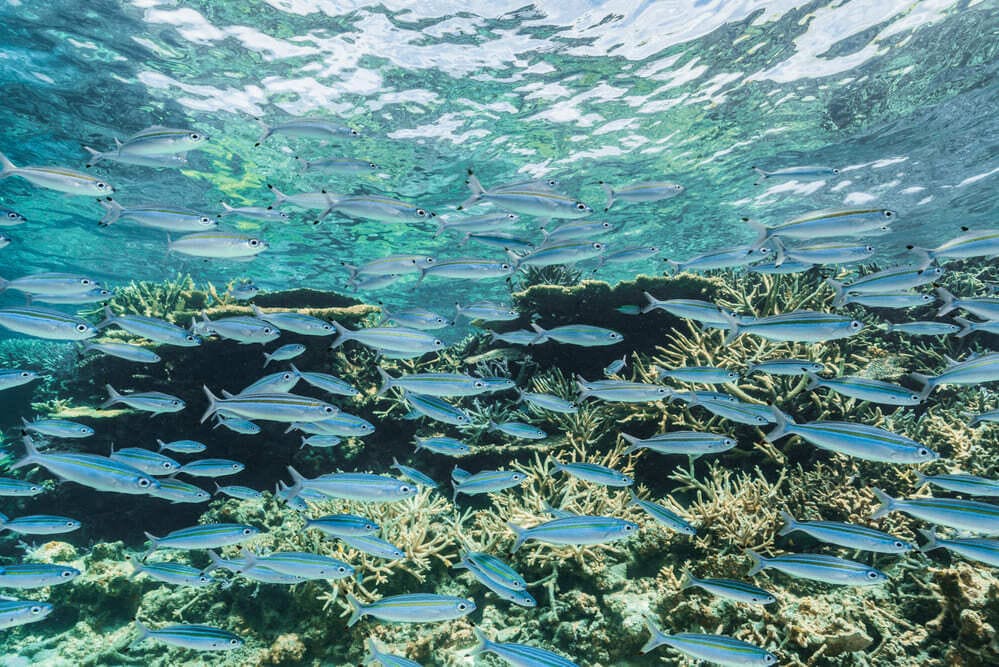
There is no shore access at Yabiji. Every dive is by boat, departing from Ikema Fishing Port, Hirara Port, the harbors on Irabu Island and elsewhere.
Because it’s open water, tours are sometimes cancelled for weather or sea conditions. Build some slack into your itinerary.
The current at Blue Corner, Hanadai Arch and Providence II can pick up. If you aren’t confident in current, don’t push it — talk to your dive shop.
Yabiji is a National Place of Scenic Beauty and Natural Monument. Never touch the coral, and follow the rules on where you may go.
You need to leave time between diving and flying. Plan with room to spare — for example, don’t dive on the day you leave Miyako Island.
FAQ
Can beginners dive Yabiji?
There are plenty of shallow sites with gentle current, including White City, Yurabiji and Coral Beauty.
On the other hand, sites like Blue Corner and Providence II do get fast current, so talk to your shop about what suits your dive count.
Can I go on a try dive?
Some shops that specialize in Yabiji run try-dive tours.
That said, it’s a boat ride out into open water, so if you’re prone to seasickness a half-day plan or a closer site is the safer option.
Snorkeling or diving — which is better?
If you just want to see the shallow coral, snorkeling is plenty.
If you want to get close to the fish schooling over the bommies, or you’re after big animals, diving is the better fit.
Can you see the “Phantom Continent” while diving?
When the spring tide around March 3 on the lunar calendar lifts Yabiji above the surface, you view it from a boat during the hours the tide is out.
The Yabiji article covers this in detail.
Around Yabiji
Yabiji
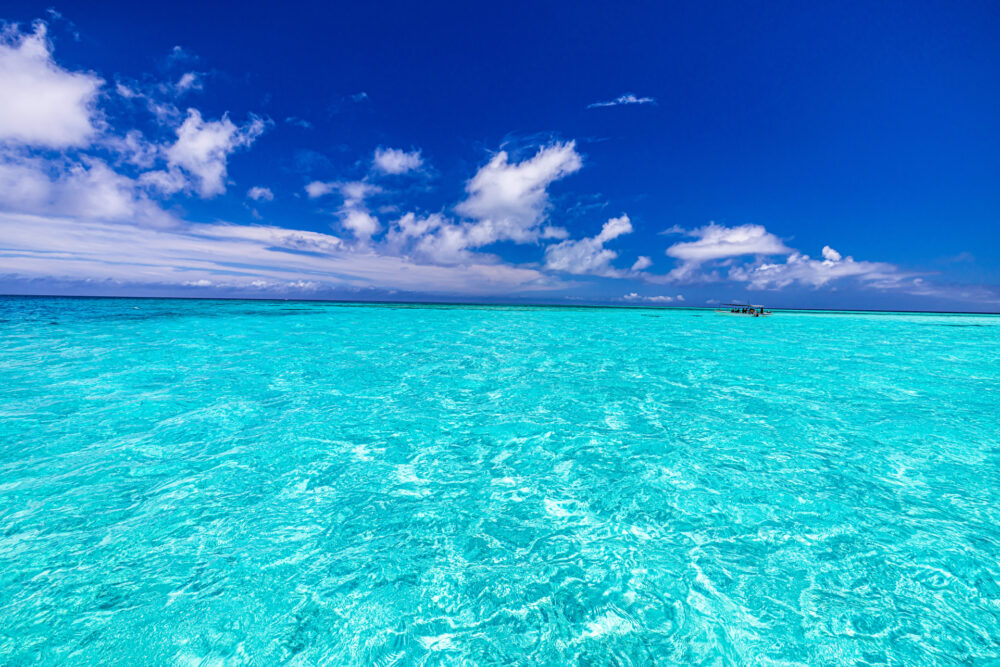
The Yabiji article explains what kind of place Yabiji is, how to choose a tour, and when the “Phantom Continent” appears.
It’s worth reading before you book a tour.
Activities on Miyako Island
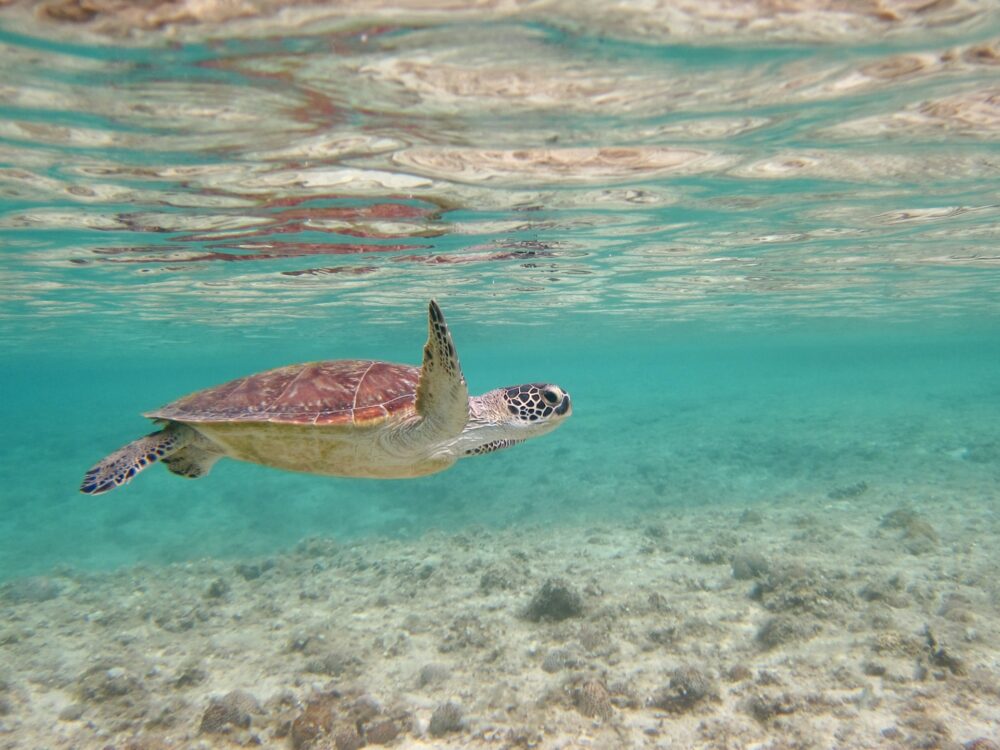
Miyako Island offers all kinds of marine activities.
Alongside diving and snorkeling tours at Yabiji, you can book SUP and more.
If you’re interested, take a look at what’s on offer through Viator or GetYourGuide.
Renting a car on Miyako Island
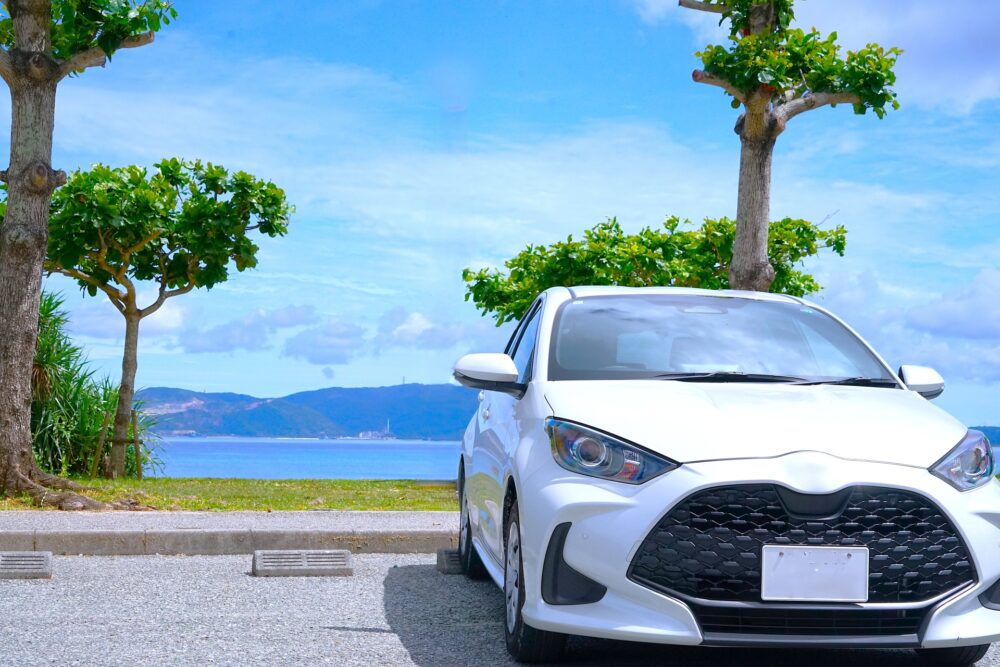
A rental car is by far the best way to get around Miyako Island.
Scenic spots such as Yonaha Maehama and Irabu Ohashi Bridge are scattered across the island, so having a car lets you explore at your own pace. With so few buses on Miyako Island, whether or not you have a car makes a real difference to the trip.
Popular seasons book up quickly, so reserve early once your dates are set.
Summary
This article covered 14 dive sites in the Yabiji area.
Yabiji is Japan’s largest table reef complex, spreading north of Ikema Island, and is designated a National Place of Scenic Beauty and Natural Monument.
Beautiful shallow coral and open-ocean big animals in one place — that’s what makes this area special.
Cancellations pile up in winter when northerly winds blow, so aim for the spring-to-summer season when you plan.
Dive sites in Miyako Island’s other areas are covered together in the articles below.
Thank you for reading to the end.
Comments