
The gusuku, or castles, that tell Okinawa’s story. World Heritage sites such as Shuri Castle and Nakijin Castle are compelling enough, but the real romance of history often lies in the lesser-known castles that guidebooks barely mention.
The Iha Castle Ruins sit quietly on high ground in Ishikawa, Uruma City. This was an important stronghold during the Sanzan period, when Ryukyu was divided among three powers.
Rough yet powerful nozurazumi stonework, and a view that takes in both the East China Sea and the Pacific at once — rare even on the main island. Here is a closer look at what makes the Iha Castle Ruins worth the trip.
- Ratings for the Iha Castle Ruins
- The Iha Castle Ruins at a glance
- Highlights
- Access & Parking
- The history of the Iha Castle Ruins
- What’s nearby the Iha Castle Ruins
- Summary
Ratings for the Iha Castle Ruins
*Ratings are the subjective view of the Okinawa Bookmark editor, compared with other castles and castle ruins in Okinawa
The Iha Castle Ruins at a glance
| Hours | None in particular |
| Closed | None in particular |
| Admission (individual) | Free |
| Time needed | About 20 minutes |
| Parking | Yes (free) |
| Restroom | None |
| Address | 239-4 Ishikawa Iha, Uruma City, Okinawa |
Highlights
The history of the Iha aji
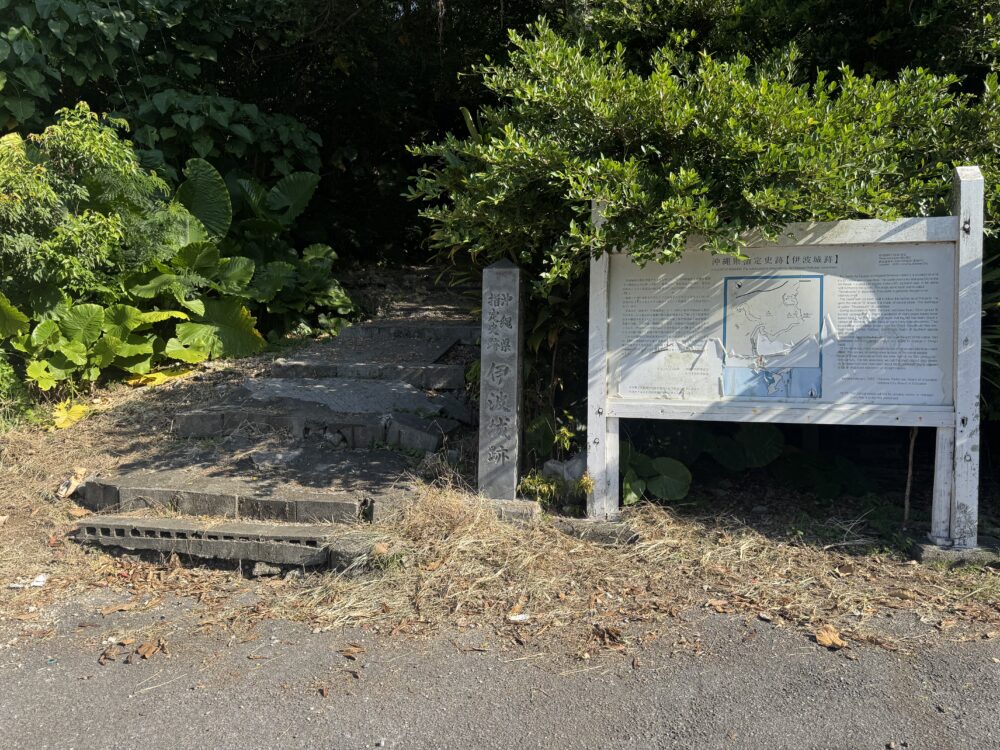
Iha Castle was the seat of the Iha aji, a powerful local family who ruled this area from the late 14th into the 15th century.
During the Sanzan period, before the Ryukyu Kingdom was unified, the castle played an important role as a stronghold where the Hokuzan and Chuzan spheres met.
One account holds that Amawari, the famous lord of Katsuren Castle, was also of Iha aji descent, which makes this a place to connect with the roots of the figures who shaped Okinawan history.
The beauty of nozurazumi stonework
The main draw at the Iha Castle Ruins is the surviving nozurazumi stonework.
This technique stacks unworked natural stone as it comes, and is regarded as one of the older forms of gusuku construction.
It looks almost haphazard at first glance, yet it has withstood centuries of wind and rain, and there is a real strength to it.
Its plain, rugged beauty is quite different from the neat kiriishizumi cut-stone walls of later periods, and is well worth seeing.
A panorama taking in the East China Sea and the Pacific
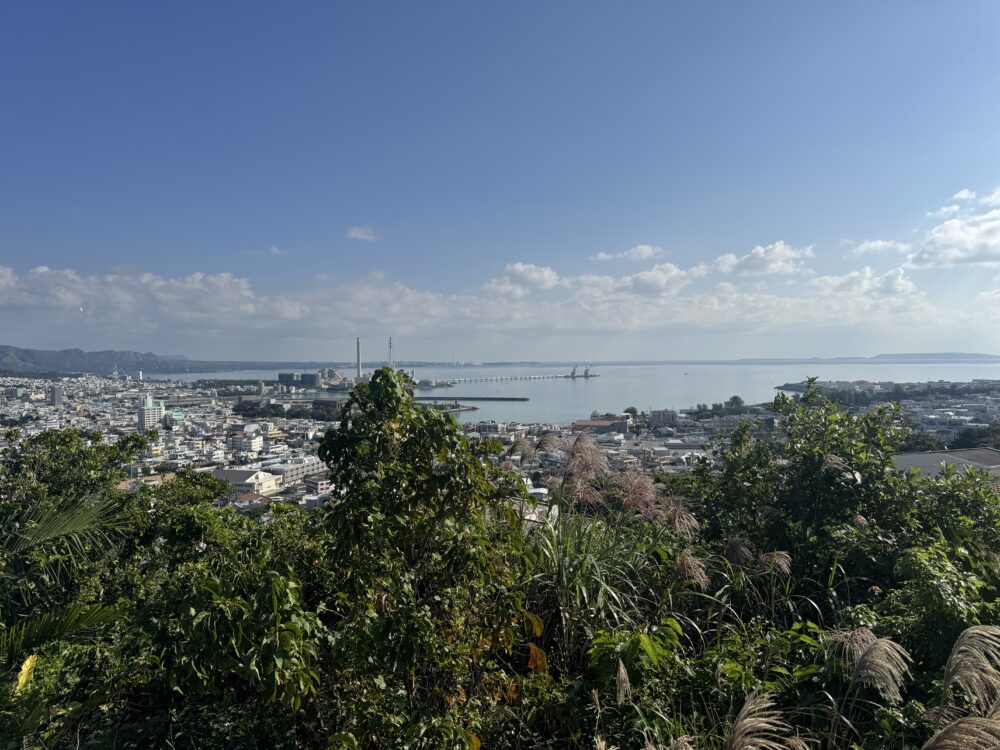
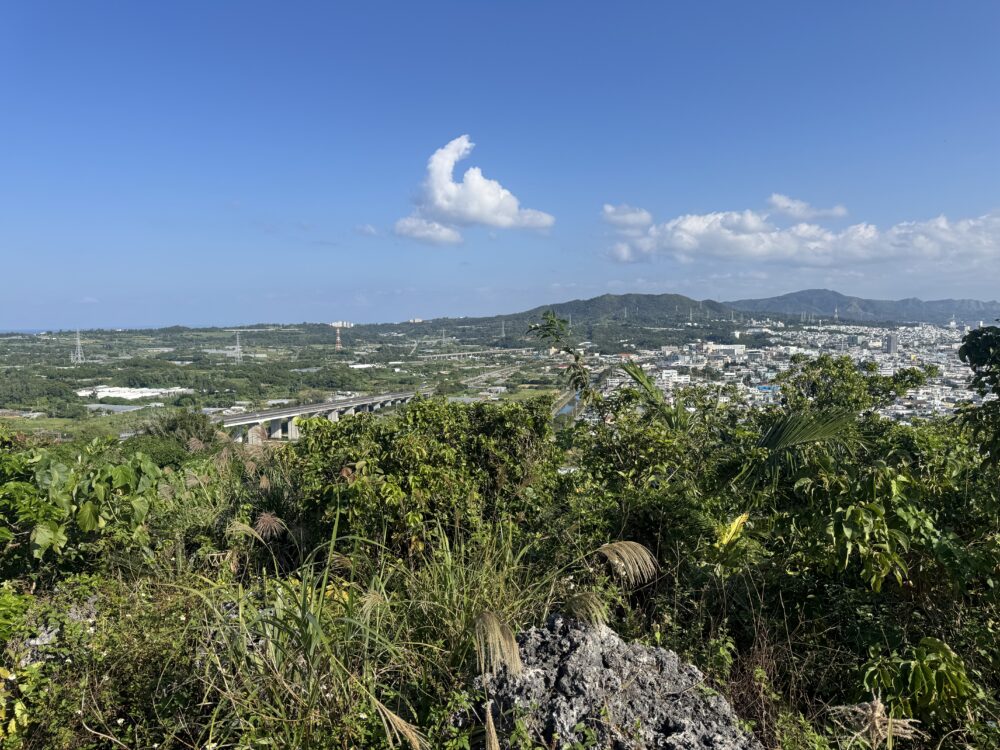
Set on a hill about 87 metres above sea level, the Iha Castle Ruins were once a military position, so the view is remarkably open.
From near the remains of the main enclosure you can see Ishikawa Bay (the Pacific) to the east and, on a clear day, the sea off Onna Village (the East China Sea) to the west.
Utaki, sacred ground with a solemn air
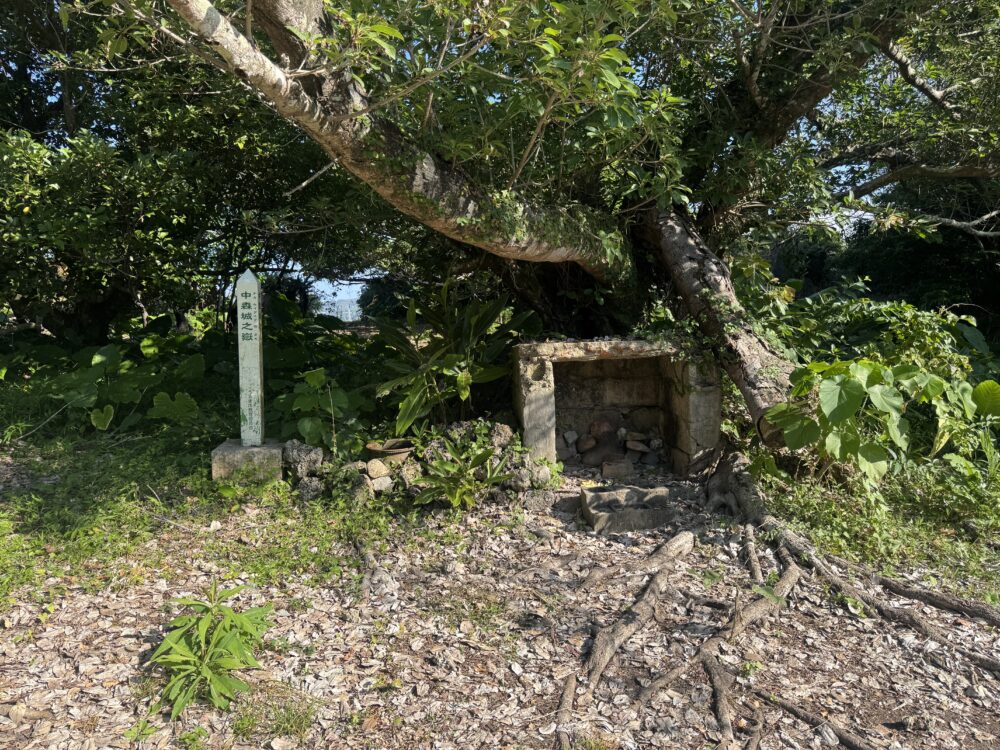
The Iha Castle Ruins were not only a military position; they remain a place of worship carefully looked after by local people today.
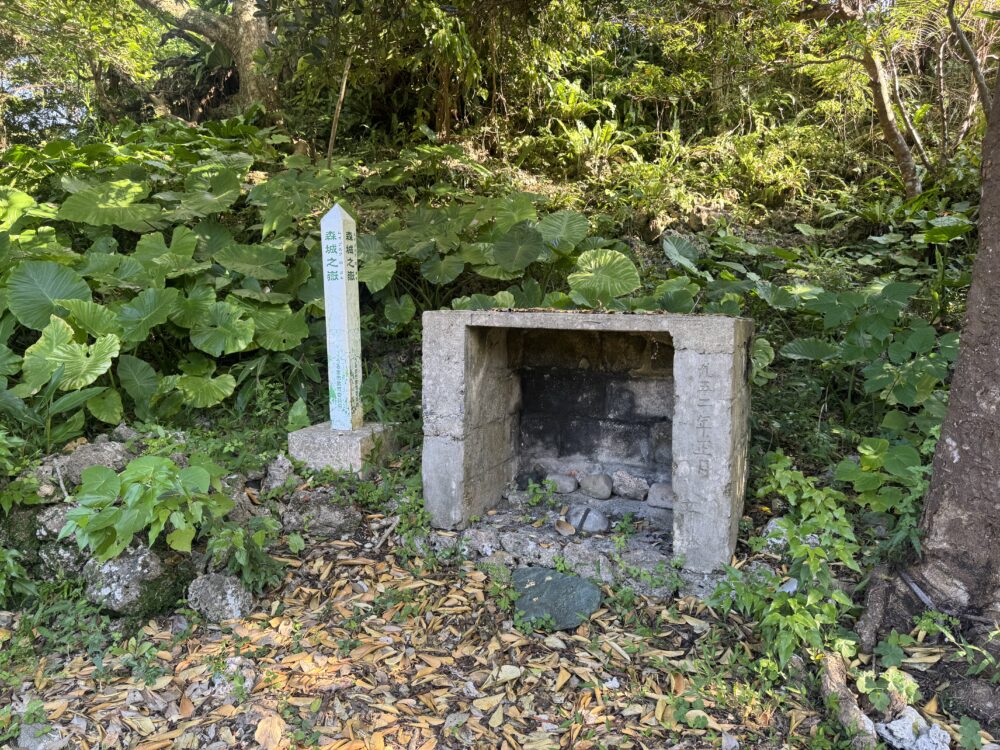
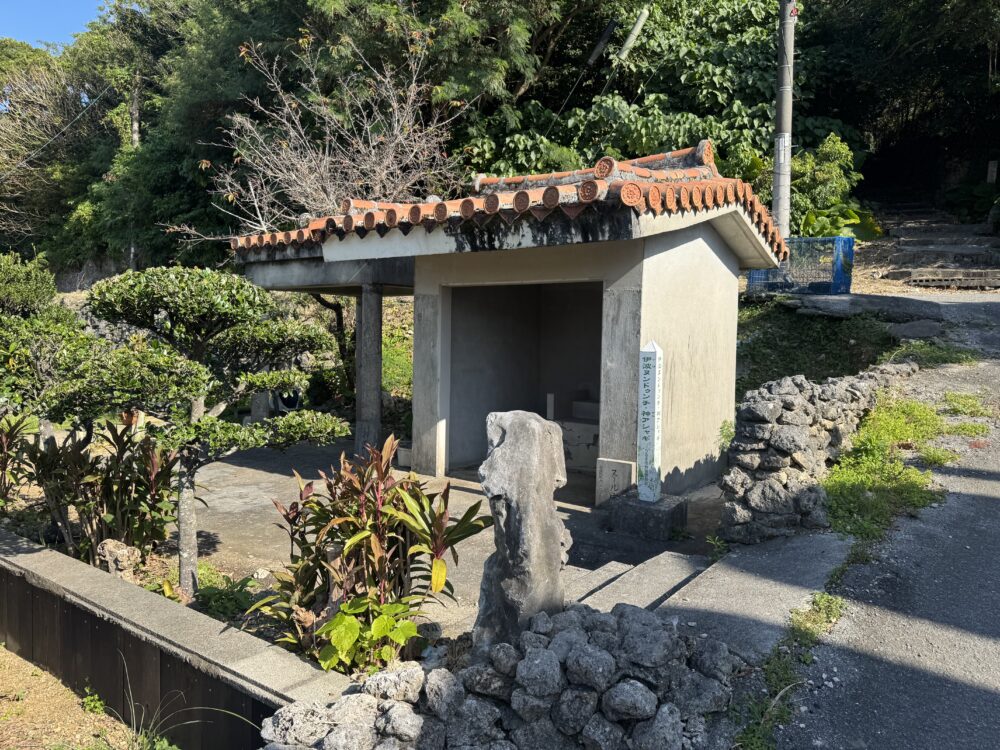
Several utaki, or places of worship, are dotted within the castle grounds, and they have long served as places to pray for good harvests and for the health of the family.
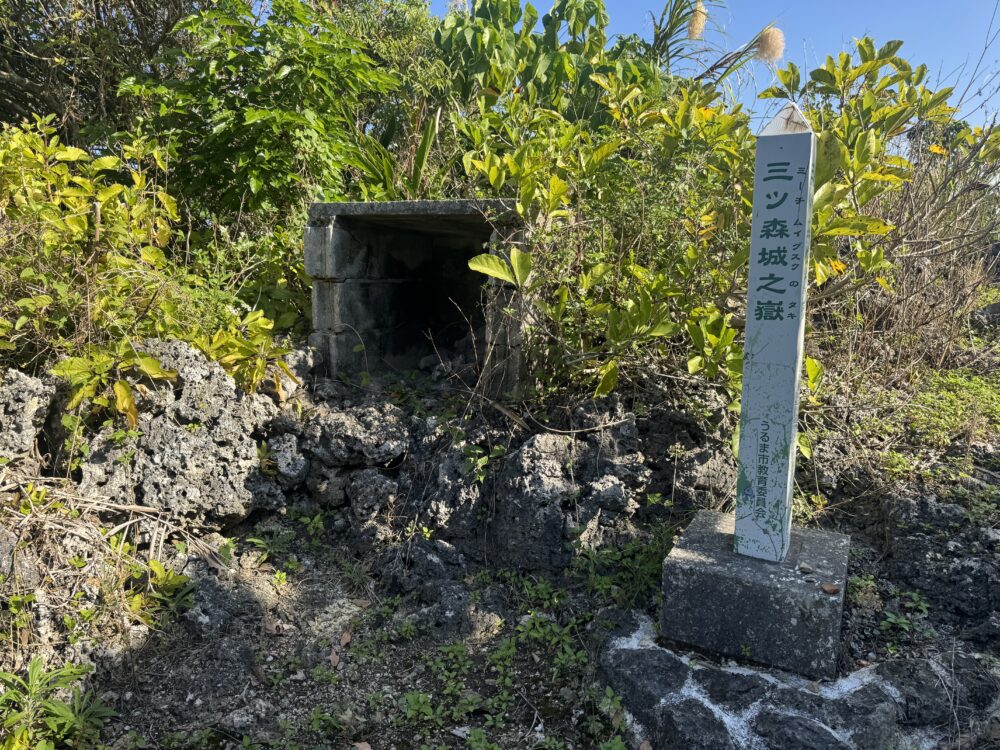
Mitsumori-gusuku-nu-utaki
Nakamori-gusuku-nu-utaki
Mori-gusuku-nu-utaki
Iha Nundunchi and Kami-ashagi
The quiet of a gusuku away from the crowds
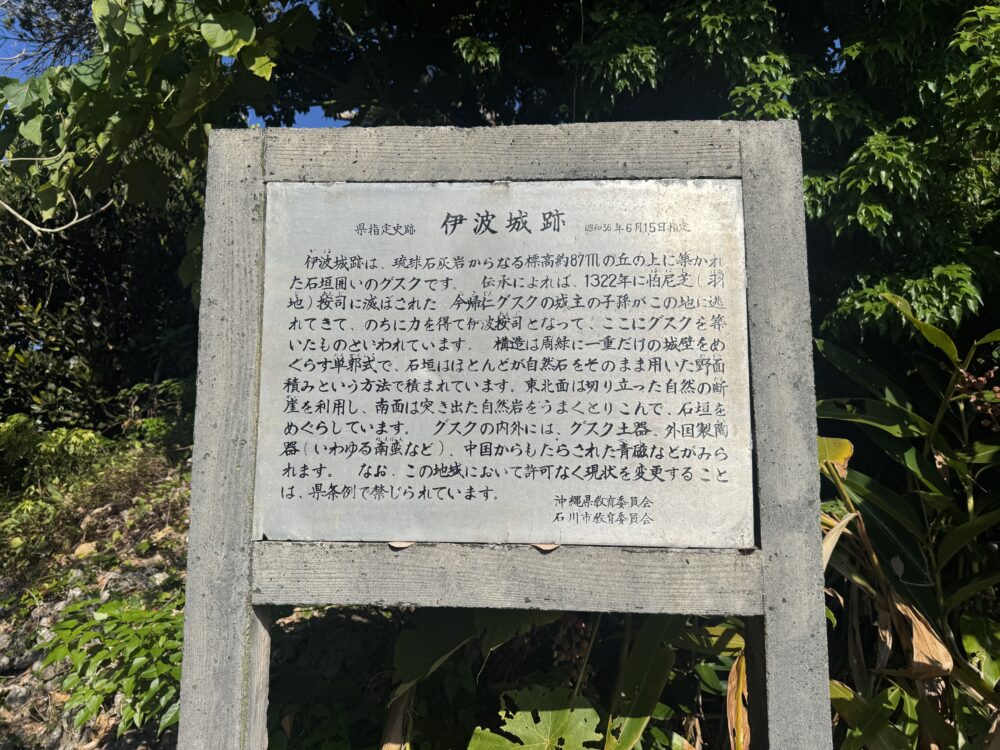
World Heritage gusuku draw large numbers of visitors, but the Iha Castle Ruins see only a trickle, which is part of their appeal.
A YouTube Short of the Iha Castle Ruins
Here is a short video of the Iha Castle Ruins. Do have a look.
Access & Parking
| Access | About 50 minutes by car from Naha Airport |
| Address | 239-4 Ishikawa Iha, Uruma City, Okinawa |
| Parking | Yes |
| Restroom | None |
The history of the Iha Castle Ruins
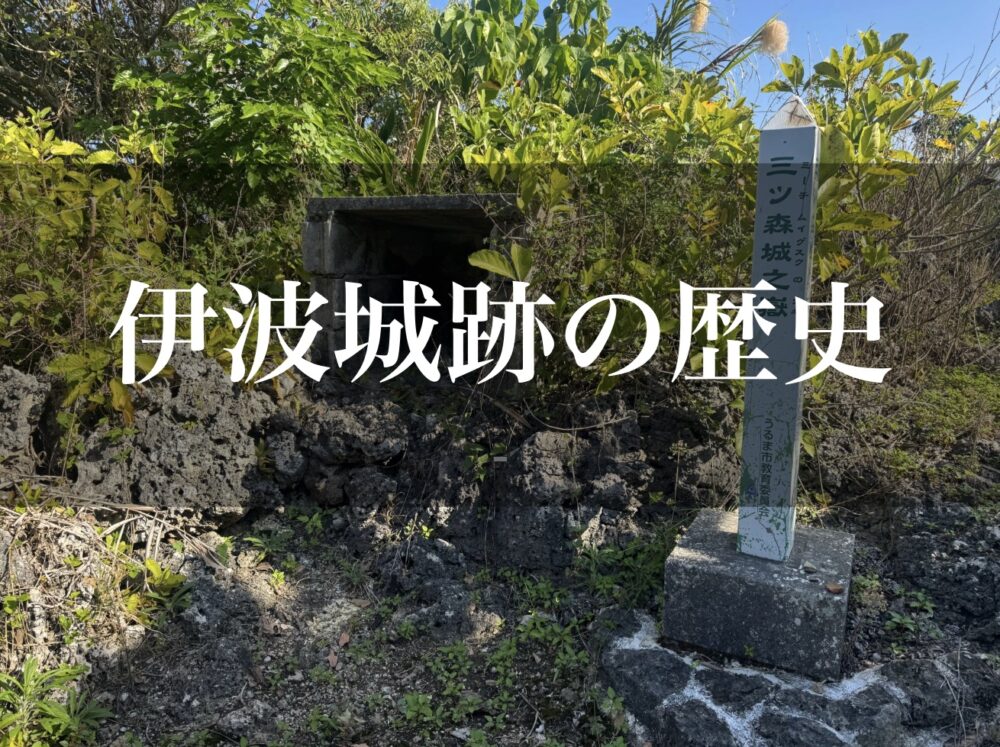
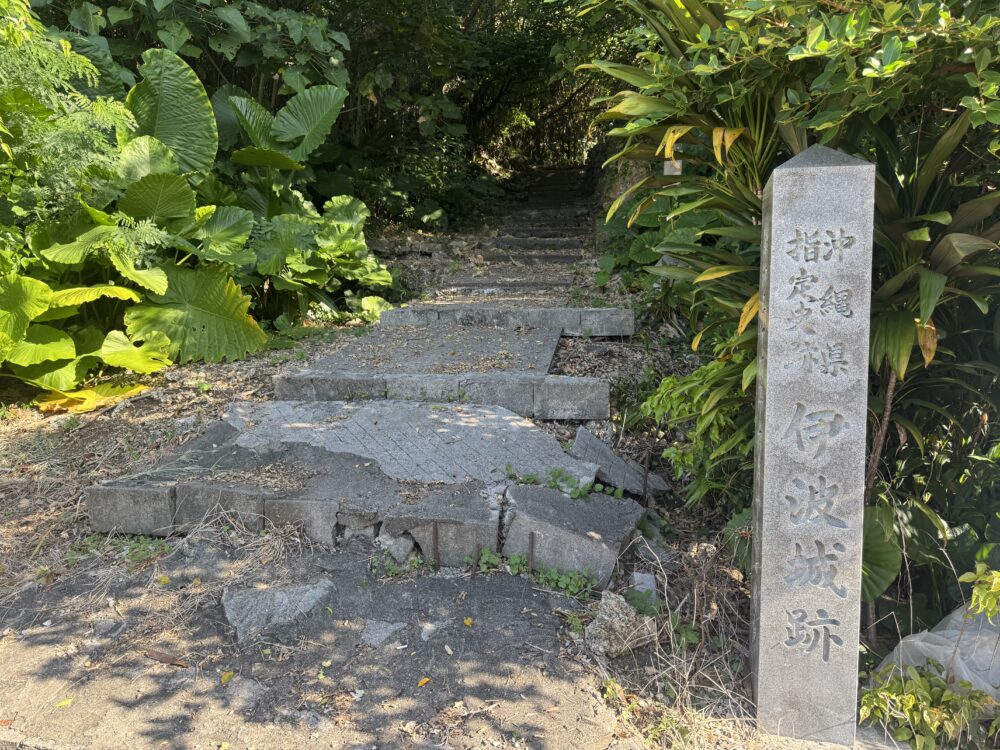
The Iha Castle Ruins stand in Ishikawa, Uruma City, on a limestone hill about 87 metres above sea level, and are a gusuku designated as a historic site by Okinawa Prefecture. The castle is said to date from the 14th century, roughly 700 years ago, and to have been the seat of the Iha aji, a powerful family thought to descend from the lords of Nakijin Castle.
Its defining feature is the stonework built in the old nozurazumi technique, stacking natural stone as it comes. The layout is single-enclosure, with sturdy stone walls on the east, south and west and a sheer cliff to the north. Large quantities of foreign ceramics and celadon fragments have been found here, evidence of brisk trade at the time and of how well the aji who ruled this land prospered.
There is also a view that the Iha aji maintained close ties with major gusuku around what is now Uruma City, such as Agena Castle and Katsuren Castle, making this an important site for understanding Ryukyuan history. Today it is a prefecturally designated historic site, and the view from the ruins takes in Ishikawa Bay and Mount Ishikawa, pairing historical interest with fine scenery.
What’s nearby the Iha Castle Ruins
Activities in Uruma City
Uruma City offers all kinds of marine activities.
You can book diving, snorkeling, SUP and more.
If you would like to enjoy diving or snorkeling, why not see what is available on Viator or GetYourGuide?
Ikei Island Onsen AJ Resort Island Ikei
Ikei Island Onsen AJ Resort Island Ikei is a resort hotel on Ikei Island, one of Okinawa’s smaller islands.
Every room has an ocean view, and there is an outdoor pool and hot spring on site.
A rental car is the way to go in Okinawa
A rental car is by far the best way to get around the main island of Okinawa.
Shuri Castle in Naha, the beautiful beaches up north, American Village in Chatan and the rest are scattered all over the island, so having a car lets you explore at your own pace. Buses are infrequent and rarely run to time, so whether or not you have a car makes a real difference to the trip.
Popular seasons book up quickly, so reserve early once your dates are set.
Summary
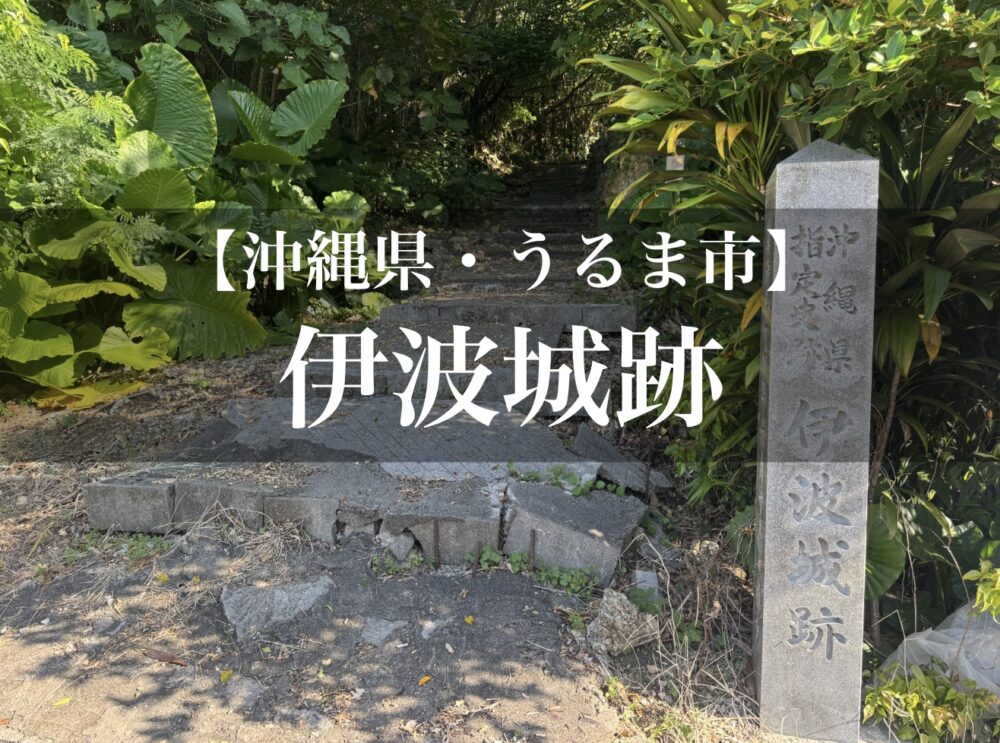
The Iha Castle Ruins carry the roots of Ryukyu across more than 700 years, and few places deserve the phrase “sanctuary of quiet” quite as much.
Looking out between those sturdy nozurazumi walls at the view its old heroes once dreamed over is a rather luxurious way to spend an hour. This is more than a round of historic sites: feeling the sacred air of the utaki still carefully tended today should give you a deeper sense of Okinawa’s spiritual culture.
Precisely because it has never been over-developed for tourism, the breath of history here is the genuine article. On your next trip to Okinawa, why not head for the Iha Castle Ruins and feel the wind crossing between two seas?
Comments