
Sefa Utaki is an utaki, or sacred site, in Nanjo City in the south of Okinawa Prefecture.
Sefa Utaki is the spiritual heart of Okinawa, where nature and myth are woven together – here we introduce the highlights of this sacred place.
We hope this article helps with your planning and gives you a reason to see it for yourself.
We have also noted roughly how long each highlight takes, to help you plan your trip.
*An utaki is a sacred place where Okinawan deities are enshrined.
- Ratings for Sefa Utaki
- Sefa Utaki at a glance
- Highlights of Sefa Utaki
- Sanguui: the symbol of Sefa Utaki
- Ufuguui: where worship begins
- Yuinchi: a symbol of abundance, the sacred kitchen
- The Shikiyodayuru Amaganubi and Amadayuru Ashikanubi pots: vessels that hold the water of life
- Chounohana: a place of prayer with a view of Kudaka Island
- Ujouguchi: where the path to the spirits begins
- What to know about Sefa Utaki before you go
- Admission to Sefa Utaki
- Time needed: about 45-60 minutes
- Things to know before you visit, and current access restrictions
- The history of Sefa Utaki
- Getting there and parking
- What’s nearby
- Summary
Ratings for Sefa Utaki
*Ratings are the personal impressions of the Okinawa Bookmark editor, compared with other historic and sacred sites in Okinawa
Sefa Utaki at a glance
| Opening hours | March-October: 9:00-18:00 (tickets until 17:15 / last entry 17:30) November-February: 9:00-17:30 (tickets until 16:45 / last entry 17:00) |
| Closed | 15-17 June 2026 (Mon-Wed) 9-11 November 2026 (Mon-Wed) *Dates follow the lunar calendar and change each year |
| Admission (individual) | Adults (high school and above): 300 yen Elementary and junior high: 150 yen Age 6 and under: free *Rates change from 1 October 2026 |
| Admission (groups of 20 or more) | Adults: 200 yen *Rates change from 1 October 2026 |
| Time needed | About 45-60 minutes |
| Parking | Yes (free) |
| Restrooms | Yes |
| Address | 539 Chinen Kudeken, Nanjo City, Okinawa |
Sefa Utaki was inscribed as a World Heritage site in December 2000 and is one of the most popular attractions on Okinawa’s main island.
Highlights of Sefa Utaki
Sanguui: the symbol of Sefa Utaki
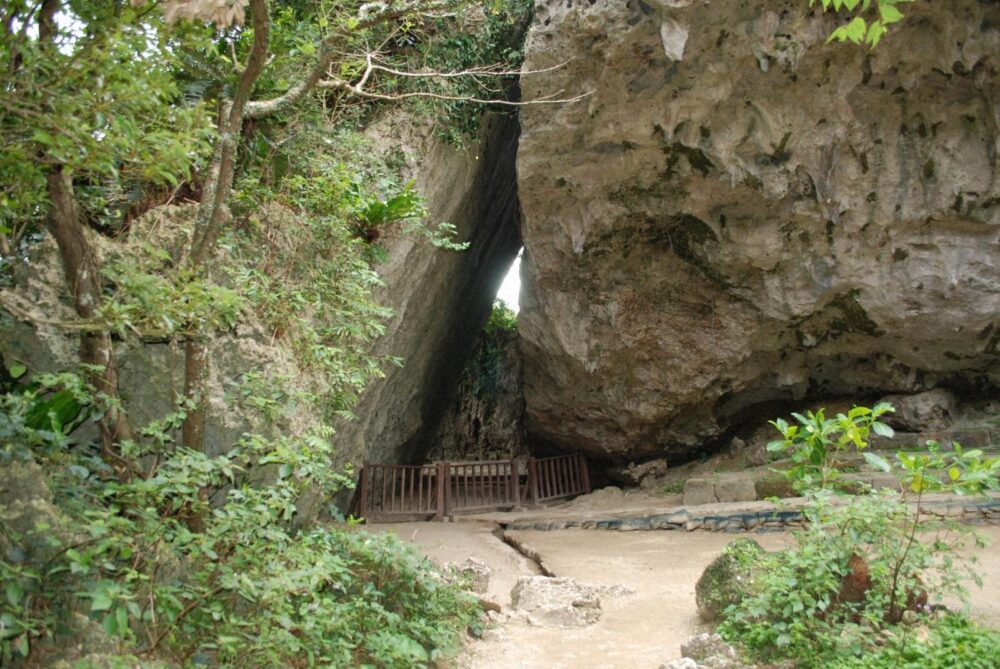
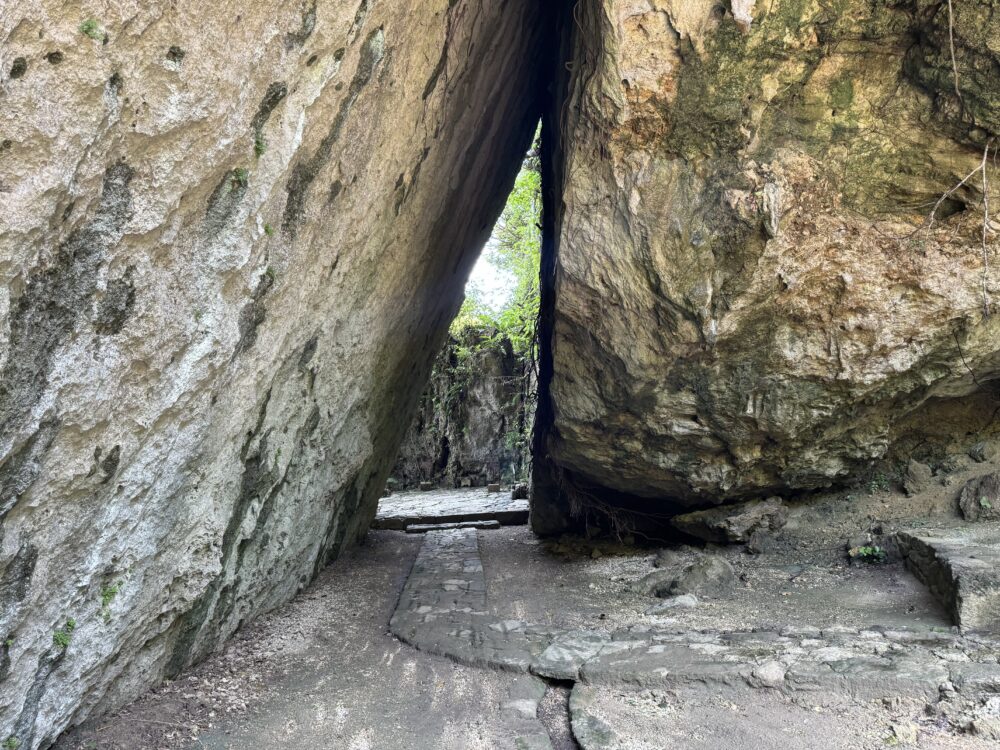
Sanguui, one of the most important prayer sites at Sefa Utaki, is a striking space formed by mysterious megaliths.
Here ancient faith and the sculptural beauty of nature come together, and the place has long served as Okinawa’s spiritual centre.
Ufuguui: where worship begins
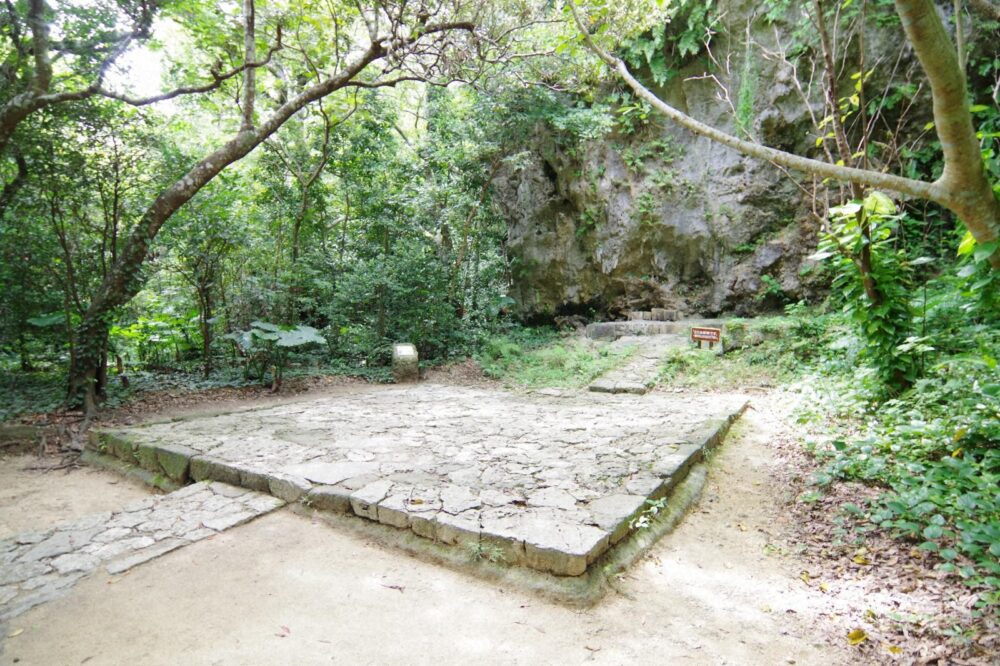
Ufuguui, near the entrance to Sefa Utaki, is known as the first place where visitors offer their prayers.
Its calm atmosphere brings a sense of ease to everyone who comes.
Yuinchi: a symbol of abundance, the sacred kitchen
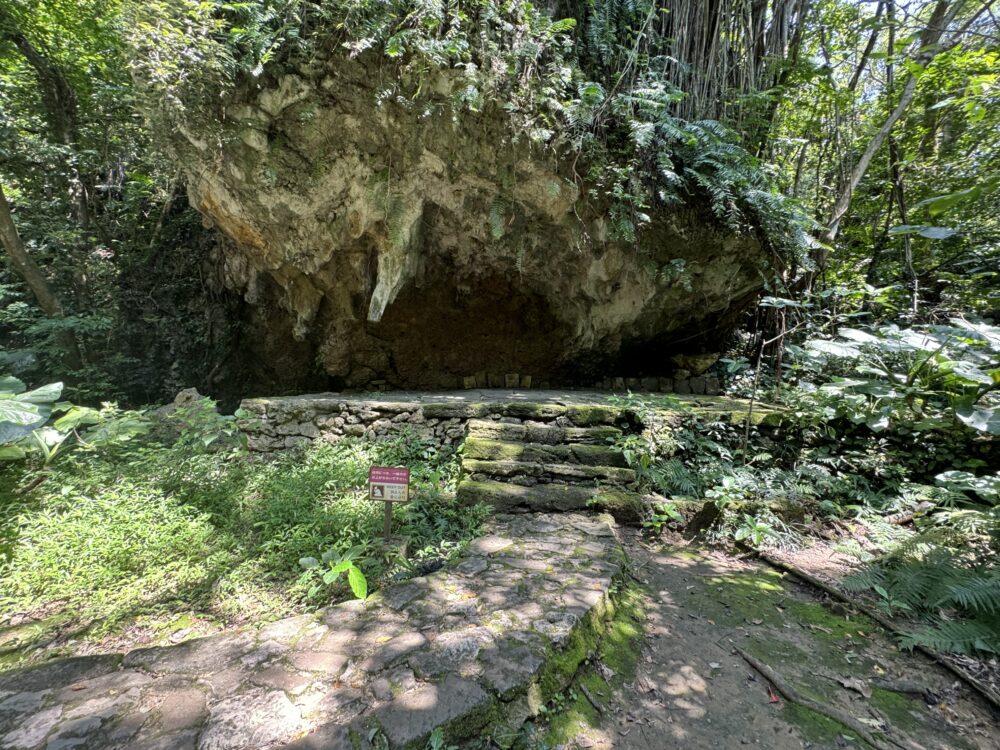
Yuinchi is regarded as a symbol of rich harvests and prosperity, and it also carried significance as a place where trade goods gathered in the ancient Ryukyu Kingdom.
Here visitors can catch a glimpse of Okinawa’s history.
The Shikiyodayuru Amaganubi and Amadayuru Ashikanubi pots: vessels that hold the water of life
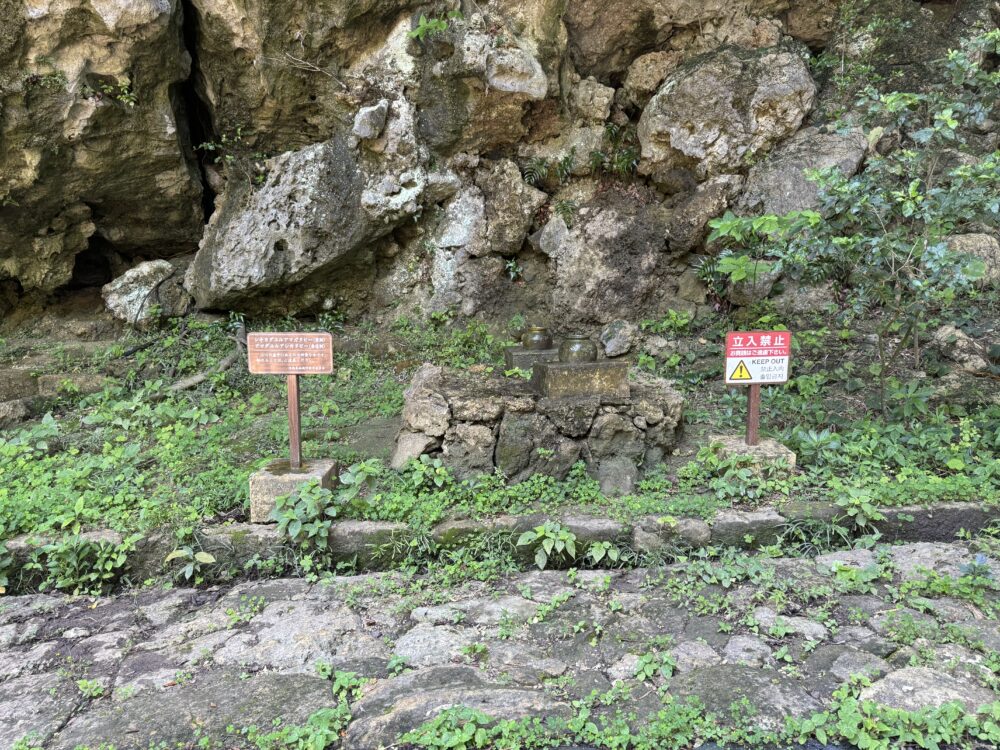
These two pots stand where sacred water drips down, and are said to collect the water of life.
That clear water still moves everyone who sees it.
Chounohana: a place of prayer with a view of Kudaka Island
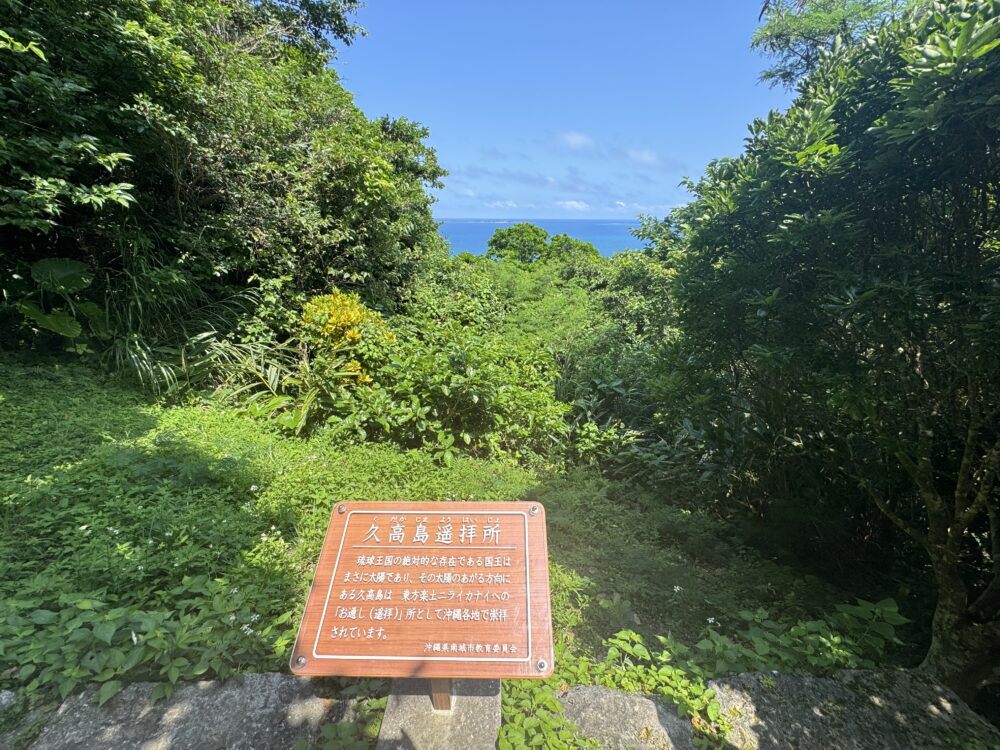
Chounohana is a prayer site that looks out towards Kudaka Island.
The view of Kudaka Island from here is spectacular, and never fails to captivate visitors.
Ujouguchi: where the path to the spirits begins
Ujouguchi is the entrance to the approach to Sefa Utaki; passing through it draws visitors into a sacred world.
It plays an important role as the gateway to the world of the spirits.
What to know about Sefa Utaki before you go
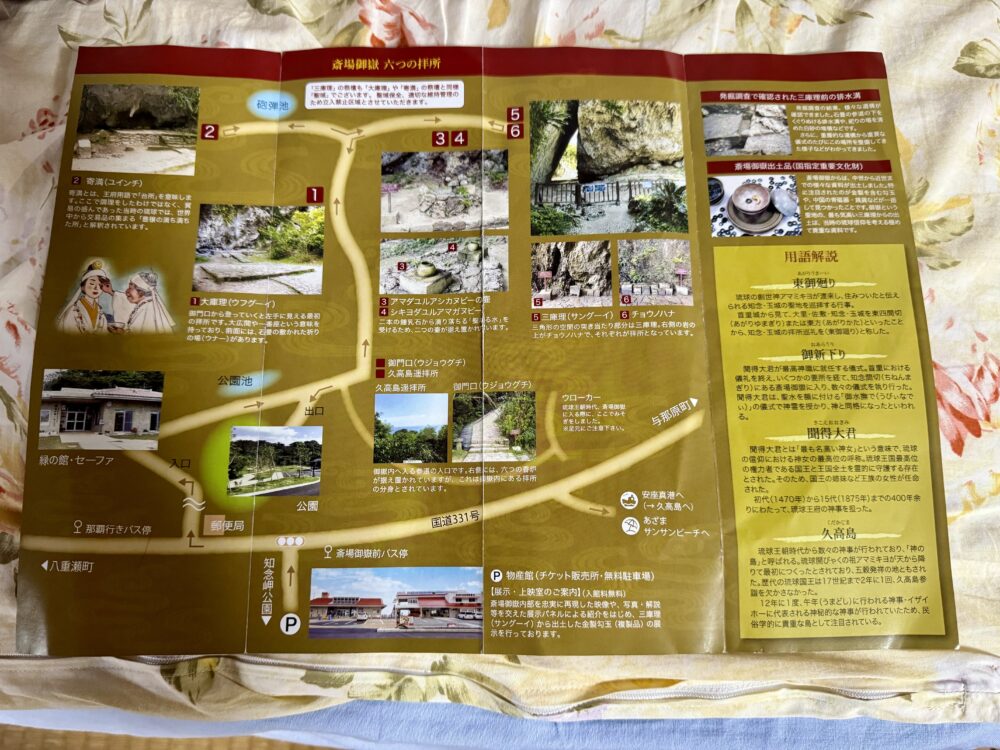
The Ryukyuan creation myth
Sefa Utaki is a sacred place that appears in the Ryukyuan creation legend.
Rooted deep in the creation myth of the Ryukyu Islands, Sefa Utaki is held to be one of the seven utaki created by Amamikiyo, which gives it a meaning well beyond that of a tourist site.
Here, where myth and history meet, visitors can touch the spiritual roots of Okinawa.
The Kikoe-Ogimi: the highest of the priestesses
The Kikoe-Ogimi was the highest-ranking priestess in Ryukyuan religion.
Sefa Utaki is known as the place where her investiture ceremony was held, and it still conveys its importance as the centre of female spiritual power.
Knowing that history makes the weight of Sefa Utaki much easier to feel.
The Agari-umaai: a pilgrimage route steeped in history
The Agari-umaai was an important pilgrimage route in the Ryukyu Kingdom era.
Starting from Shuri Castle and taking in sacred places including Sefa Utaki, it played an essential part in shaping Okinawa’s spiritual landscape.
Visitors today can retrace the path once walked by the kings and the Kikoe-Ogimi.
Admission to Sefa Utaki
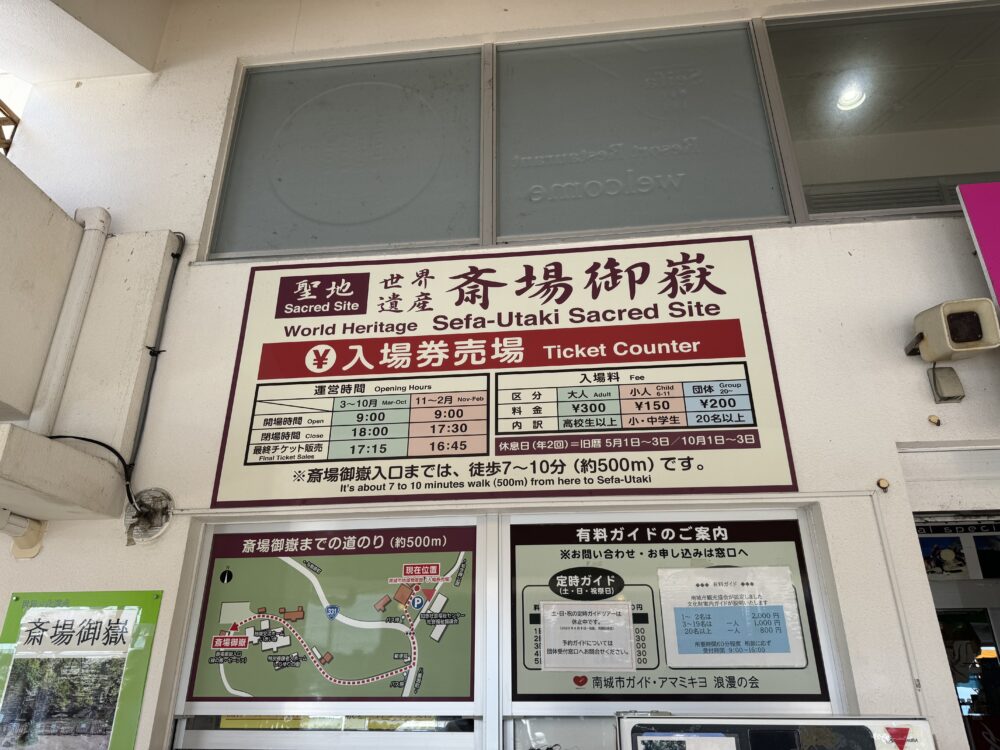
| Admission (individual) | Adults (high school and above): 300 yen Elementary and junior high: 150 yen Age 6 and under: free *Rates change from 1 October 2026 |
| Admission (groups of 20 or more) | Adults: 200 yen *Rates change from 1 October 2026 |
Tickets for Sefa Utaki are not sold at the entrance to the site, but at the Nanjo City Local Products Centre.
Buy your ticket at the products centre first, then head for the entrance. It is about 500 metres from the centre to the entrance, roughly a seven-minute walk.
Time needed: about 45-60 minutes
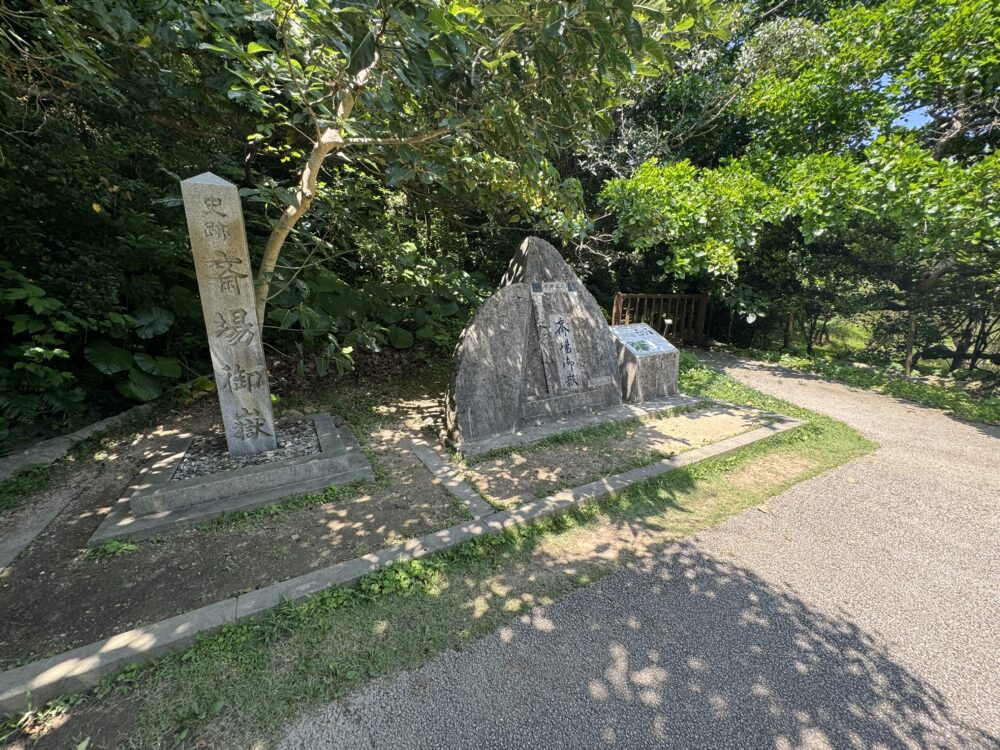
A visit to Sefa Utaki takes around 45 to 60 minutes.
Take your time around Sanguui, Ufuguui and the other highlights, and let yourself sink into Okinawa’s spiritual landscape.
Use this as a guide when planning your visit.
Things to know before you visit, and current access restrictions
Sefa Utaki is a tourist destination, but it is also a sacred place where people still come to pray. Please check the following before you go.
Access restrictions for conservation work (July 2026 – January 2027)
Nanjo City is carrying out drainage work within the site and is restricting access section by section.
| Section | Period | Restricted area | Admission |
| Section 1 | 1 July – 1 November 2026 (planned) | The paved approach between the three-way junction and Yuinchi, and the prayer sites around Yuinchi | Normal rates |
| Section 2 | 2 November 2026 – 5 January 2027 (planned) | The paved approach between the three-way junction and Ujouguchi, and the prayer sites around Ufuguui | Free |
During Section 2 the area beyond Ujouguchi is entirely closed, and visitors can go no further than Ujouguchi. Admission is free during that period, and a limited pilgrimage certificate is handed out.
These dates are provisional, so check Nanjo City’s latest announcements before you set out.
The triangular space at Sanguui is closed
The triangular space formed by the leaning megaliths, leading through to Sanguui and Chounohana, is closed off to protect the sacred site. Visitors view it from in front.
A few requests during your visit
- There are many paved paths and slopes, and they get slippery after rain – wear comfortable walking shoes
- If someone is praying, wait quietly and refrain from taking photographs
- Please do not take away stones or plants, or touch the incense burners
- It is about 500 metres from the car park to the entrance, so allow plenty of time
The history of Sefa Utaki
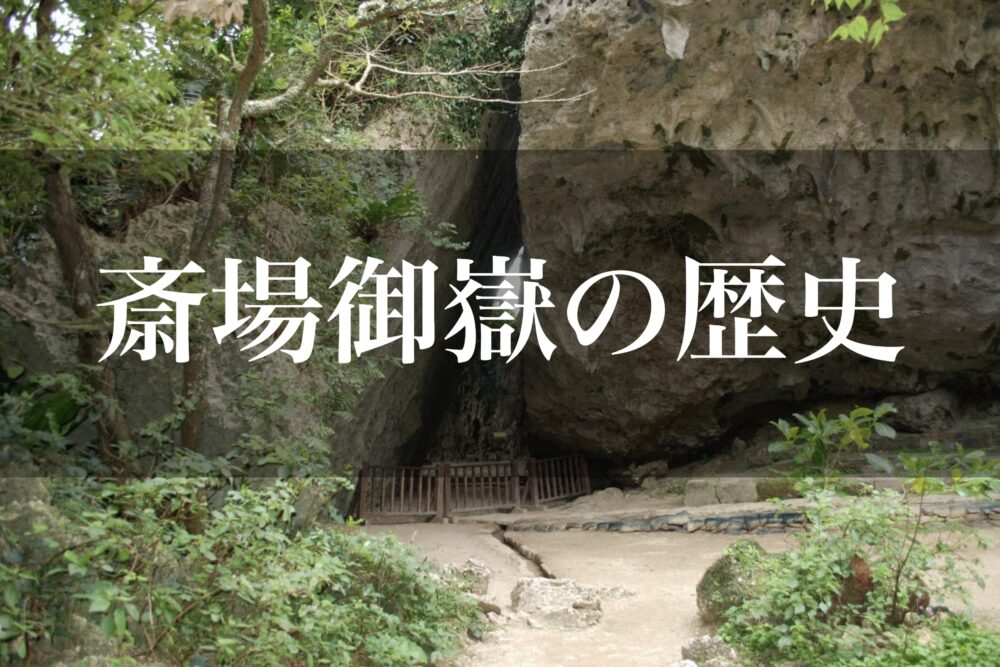
Sefa Utaki, in Nanjo City, Okinawa, has been a sacred place since the days of the Ryukyu Kingdom.
It appears in the Ryukyuan creation legend and has been an object of faith since ancient times.
Among the sacred places known as utaki, Sefa Utaki ranks highest, and it is known as a site of worship for the kings of the Ryukyu Kingdom and for the Kikoe-Ogimi.
The site contains six ibi, or sacred precincts, where the Ryukyuan king prayed for peace in the realm, good harvests and safe voyages.
It was also where sacred white sand was brought over from Kudaka Island for the performance of holy rites.
Of these, the investiture ceremony of the Kikoe-Ogimi, known as the Oaraori, was considered the most important.
In 2000 its historical and cultural value was recognised with inscription as a World Heritage site, as part of the Gusuku Sites and Related Properties of the Kingdom of Ryukyu.
Sefa Utaki is still revered by many people today, and remains an important place that carries Okinawa’s spiritual culture into the present.
We hope you will take in its history and culture with a quiet mind.
Getting there and parking
| Access | About 40 minutes by car from Naha Airport |
| Address | 539 Chinen Kudeken, Nanjo City, Okinawa |
| Parking | Yes (free, about 150 spaces) |
| Restrooms | Yes |
Sefa Utaki has a free car park with room for around 150 vehicles.
Check the Google Map below for details on parking.
What’s nearby
Recommended activities in Nanjo City
Nanjo City offers a wide range of marine activities.
You can book diving, snorkelling, SUP and more.
If you would like to try diving or snorkelling, take a look at what is available on GetYourGuide or Viator.
Yuinchi Hotel Nanjo
Yuinchi Hotel Nanjo offers reasonable rates and a natural hot spring – a rarity in Okinawa.
On clear days you can also enjoy fine views of the sea from its hilltop setting.
A rental car is the way to go in Okinawa
For sightseeing on Okinawa’s main island, a rental car is by far the best option.
Shuri Castle in Naha, the beautiful beaches up north, American Village in Chatan – the places worth seeing are scattered across the island, and having a car lets you explore at your own pace. Buses are infrequent and rarely run on time, so having a car makes a real difference to the trip.
Cars book up quickly in peak season, so reserve as soon as your dates are set.
Summary
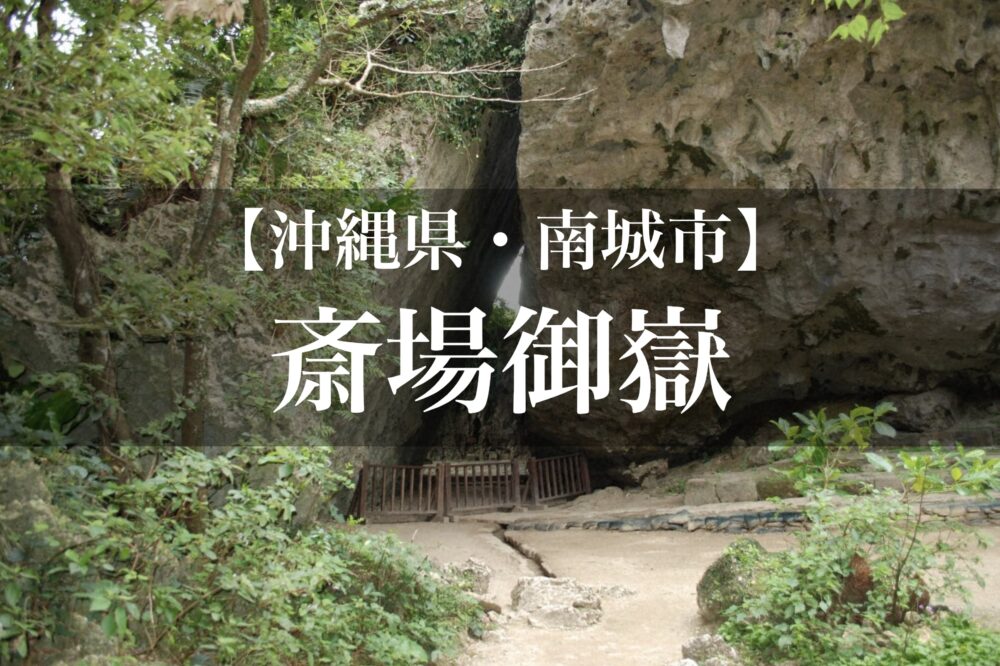
Sefa Utaki is far more than a sightseeing spot – it is a place where the heart and soul of Okinawa still live.
From myth and history to natural beauty, even a short 45 to 60 minutes here gives you a real sense of Okinawa’s rich culture.
We hope this article has sparked your interest and gives you a reason to come and experience that mystery for yourself.
Come to Sefa Utaki and feel the depth of Okinawa’s history and culture.

Comments