
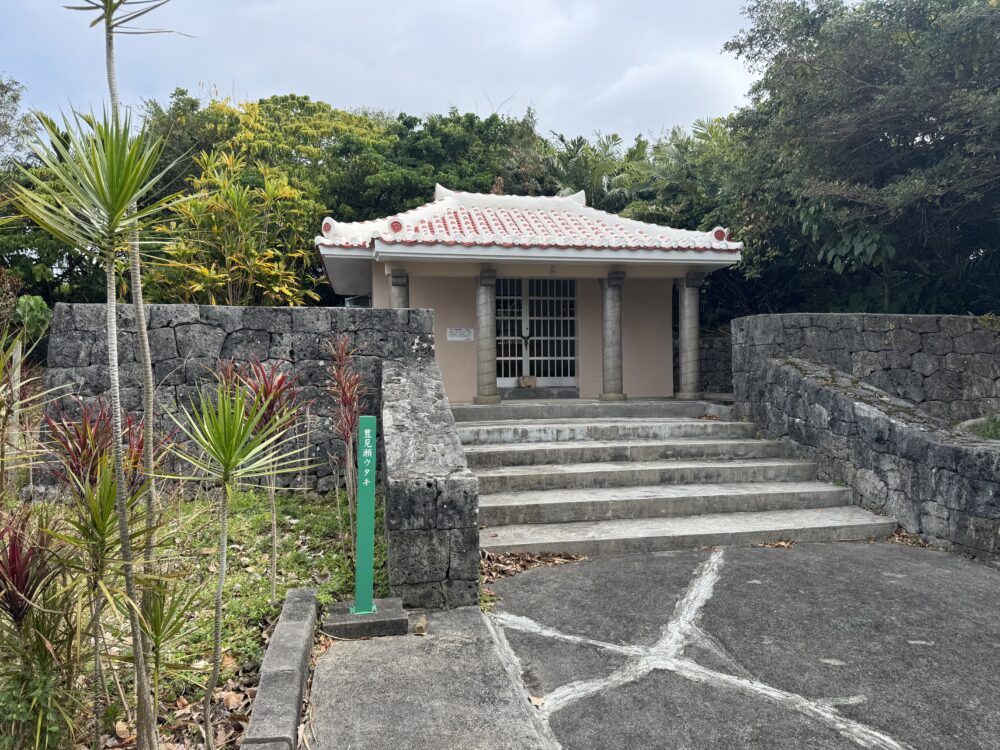
Tomigusuku Gusuku is a castle site in Tomigusuku City, in the southern part of Okinawa’s main island.
It is said to have been built between the late 14th and early 15th centuries, during the Sanzan era when Ryukyu was split into three kingdoms, by Ōōso, who later became king of Nanzan.
It is also known as the birthplace of Haarii, the dragon boat racing that defines summer in Okinawa.
Closed to visitors for many years, it reopened to the public on February 21, 2026 as the Tomigusuku Castle Ruins, after a gap of roughly 22 years.
This article covers the highlights and history of Tomigusuku Gusuku, along with access and parking information.
Ratings for Tomigusuku Gusuku
Tomigusuku Gusuku at a glance
| Opening hours | No set hours |
| Closed | No set hours |
| Admission | Free |
| Time needed | About 30 minutes |
| Parking | Yes (free) |
| Restrooms | Yes |
| Address | 863 Tomigusuku, Tomigusuku City, Okinawa |
The Tomigusuku Castle Ruins Park, where the gusuku stands, had been closed since the end of November 2003. After new paths, benches and a parking lot were put in, it reopened to the public on February 21, 2026 as the Tomigusuku Castle Ruins.
It has only just reopened, so it is worth checking Tomigusuku City’s latest announcements before you set out.
Highlights of Tomigusuku Gusuku
The birthplace of Haarii
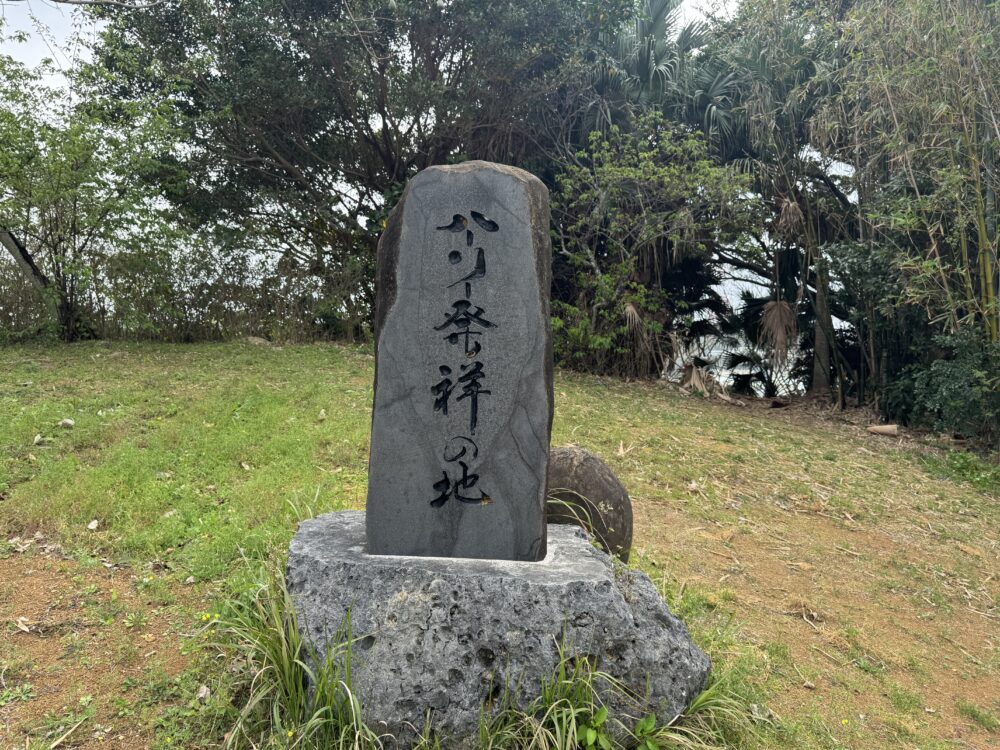
Tomigusuku Gusuku is regarded as the place where Haarii, Okinawa’s traditional dragon boat race, began.
Kyuyo, the official chronicle of the Ryukyu royal government, records that Haarii originated at Tomigusuku Gusuku and on Manko, the lagoon that spreads out below the castle.
The boating pastime that Ōōso brought back from China after becoming king of Nanzan is said to have carried through to the Haarii of today.
Even now, ahead of the Naha Haarii each May, the Haarii Origin Festival is held at Tomise Utaki inside the castle grounds.
Calling this the birthplace of Haarii is more than a distant legend here; it is backed by a festival that is still going.
Tomise Utaki
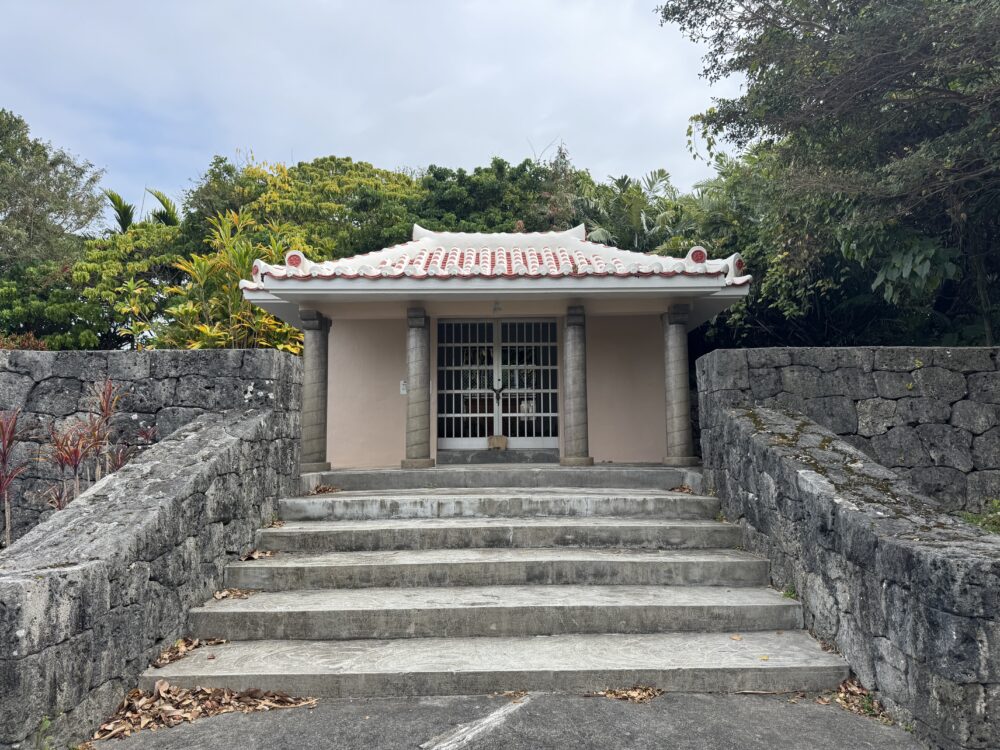
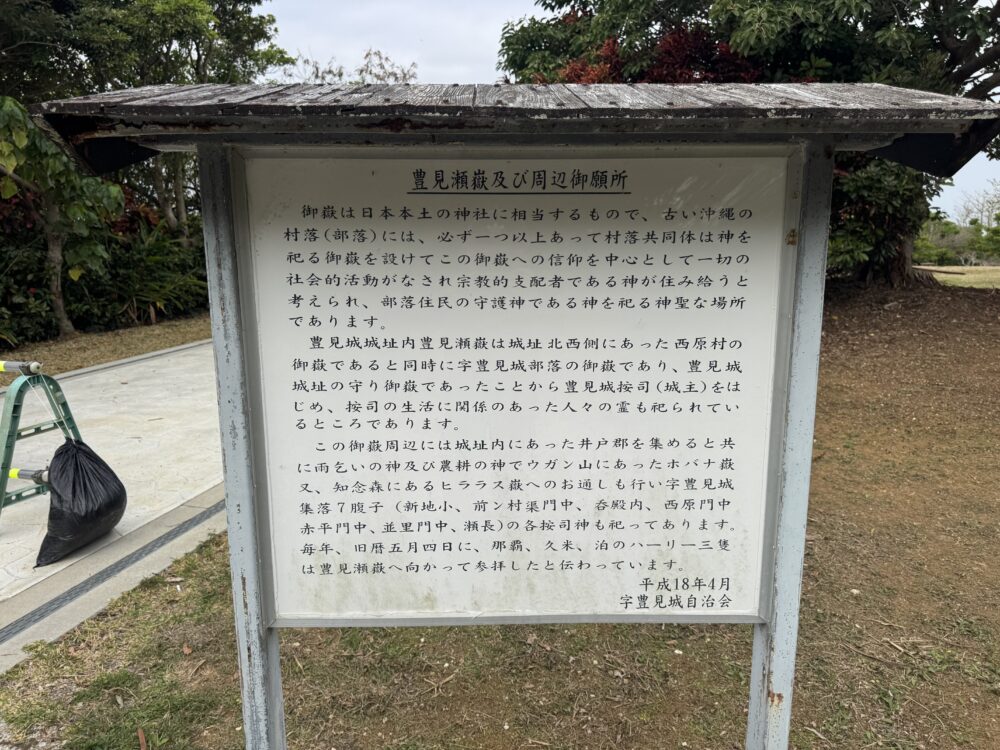
Inside the castle grounds is a place of worship known as Tomise Utaki.
The utaki is said to enshrine a dragon deity who governs water and rain, and records from about 300 years ago describe dragon boat races and rain-making rites held here.
When the Haarii races were run, three dragon boats from Naha, Kume and Tomari would row up to the harbor below the castle and pay their respects at Tomise Utaki.
They then prayed for yugafu, a bountiful harvest, led by the Tomigusuku noro, the local priestess. This ceremony was known as Tomigusuku Nubui.
Tomigusuku Nubui died out after the abolition of the domains in the 1870s, but was revived in 2003 as the Haarii Origin Festival, 125 years later.
High ground looking out over Manko
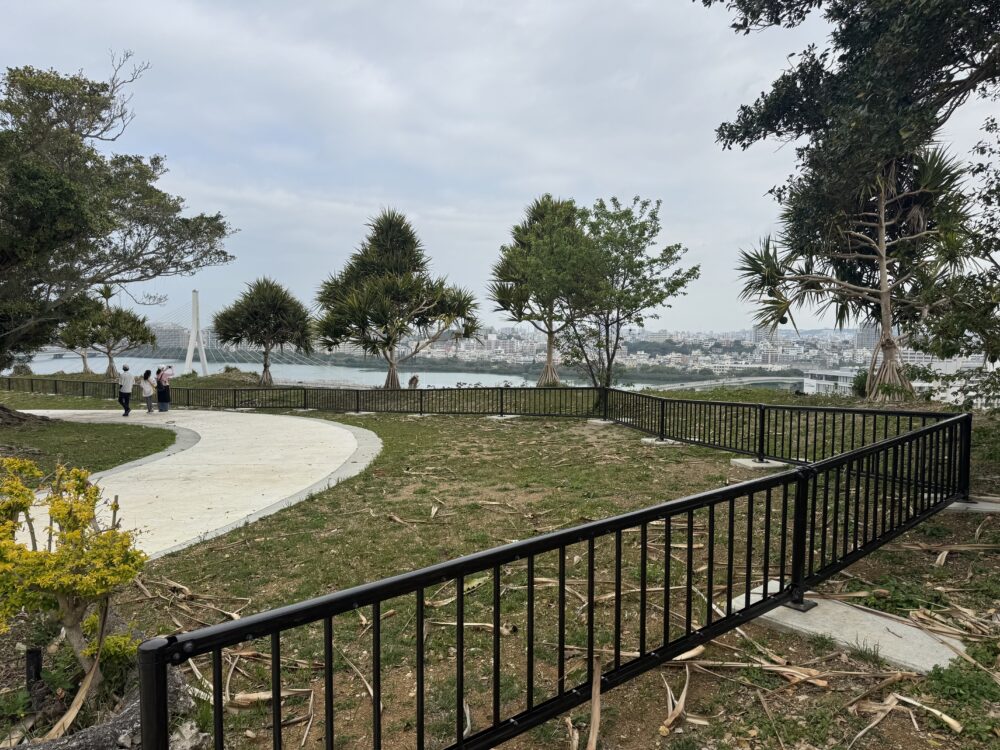
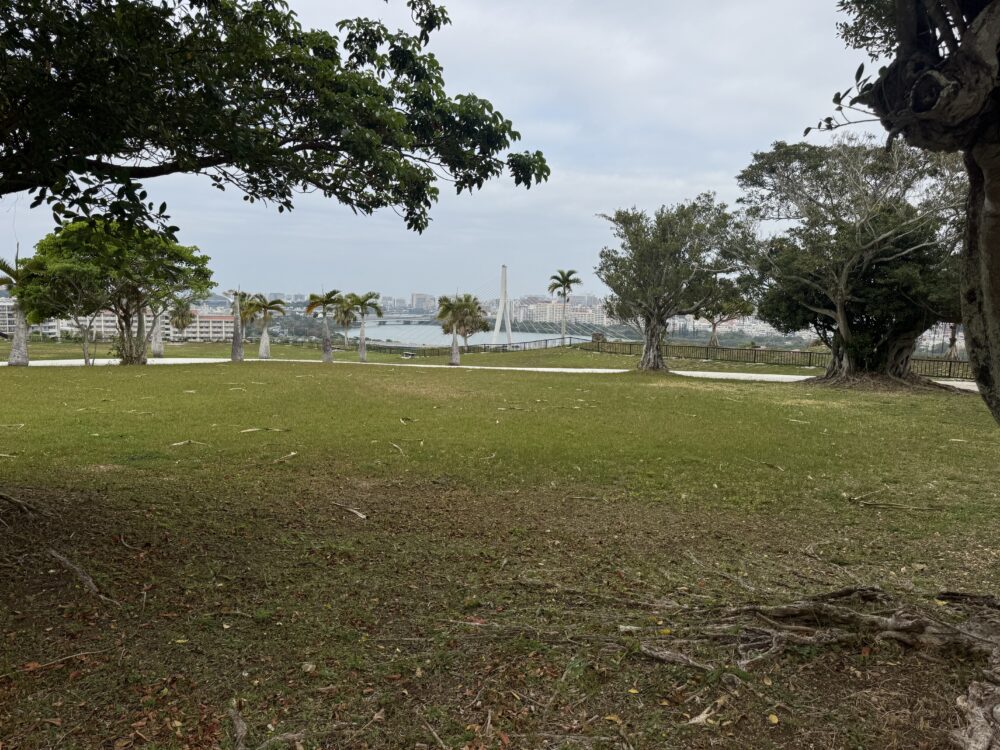
The castle was built on high, open ground along the shore of Manko.
The site commands a key point for water transport, and it clearly carried weight within the sphere of Nanzan during the Sanzan era as well.
From the top you can still take in the townscape of Tomigusuku.
The last of the stonework
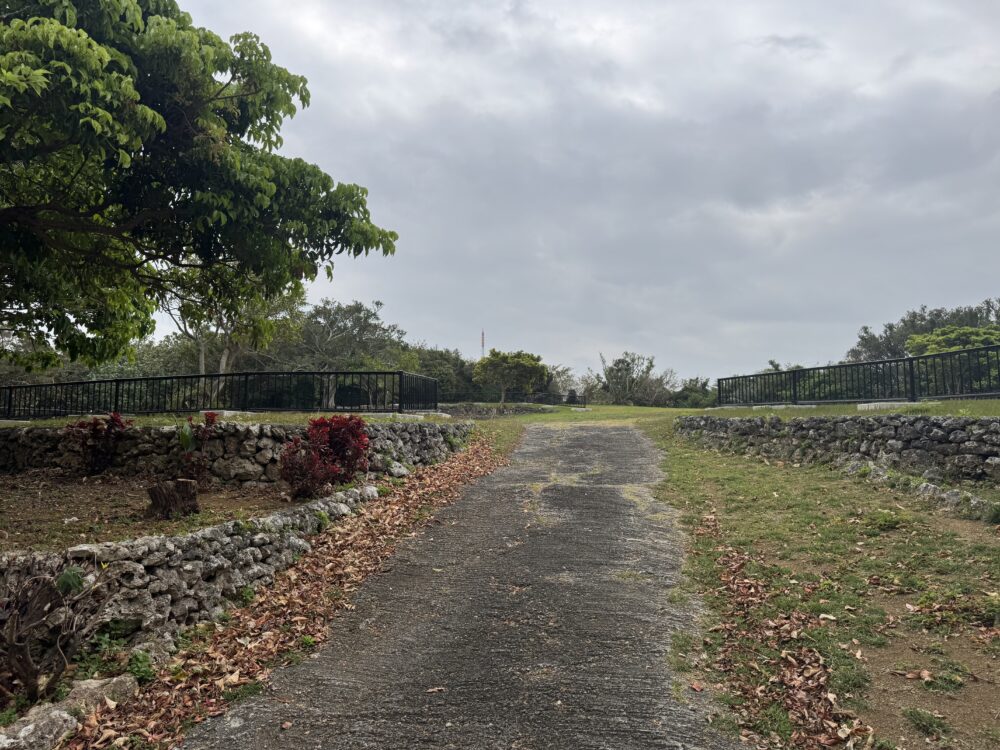
Sadly, almost all of the castle’s remains, including its walls and arched gate, were lost to postwar quarrying.
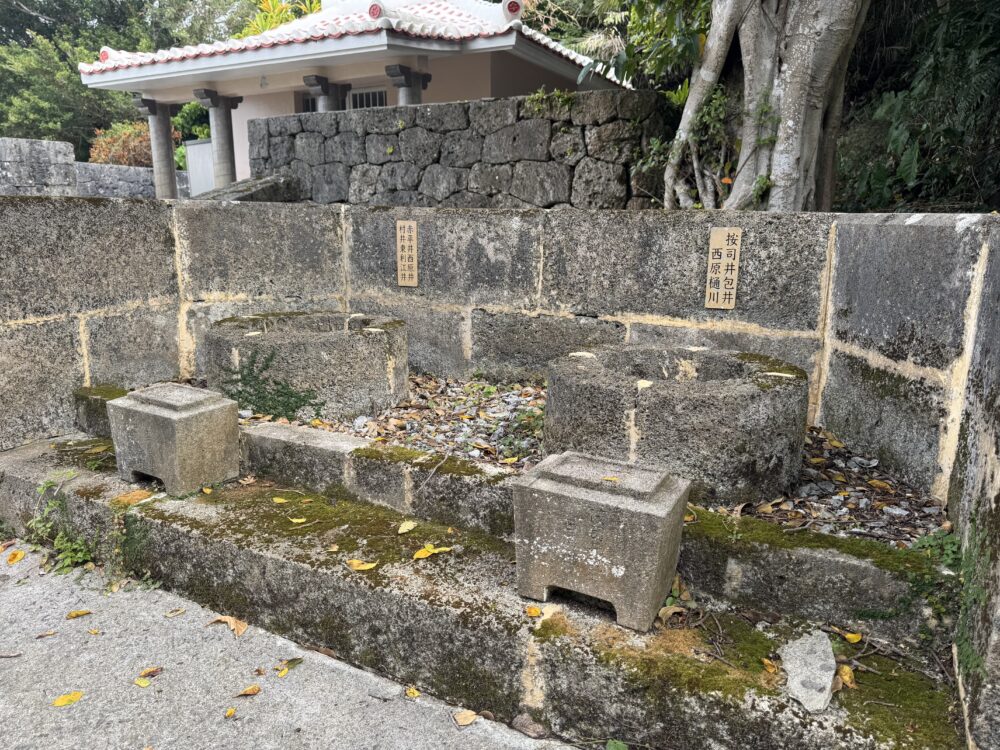
Today a section of stonework thought to be part of the wall can still be seen on the Manko side.
Unlike other gusuku with well-preserved stone walls, this is a place you take in on foot, walking the ground where a castle once stood.
The former army 24th Division 2nd Field Hospital shelter
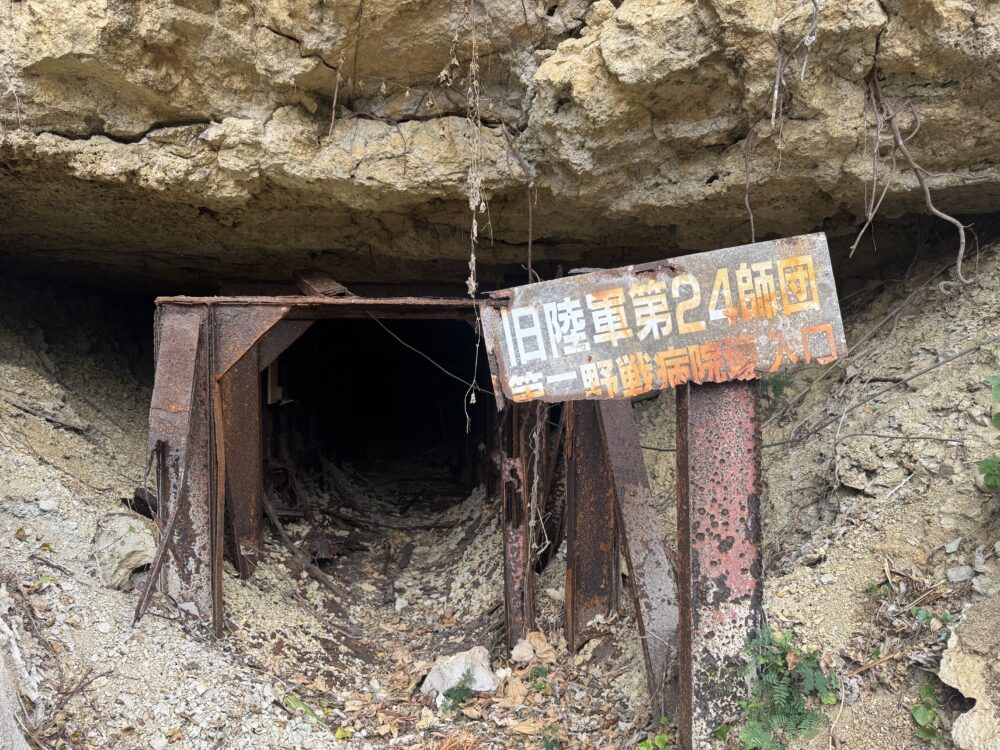
One corner of the grounds holds a Battle of Okinawa war site: the shelter of the former Japanese Army’s 24th Division 2nd Field Hospital.
Dug by hand ahead of the American landings, the tunnel is said to have run roughly 300 meters.
The 24th Division’s 2nd Field Hospital was based here, staffed by some 200 people including army doctors and medics.
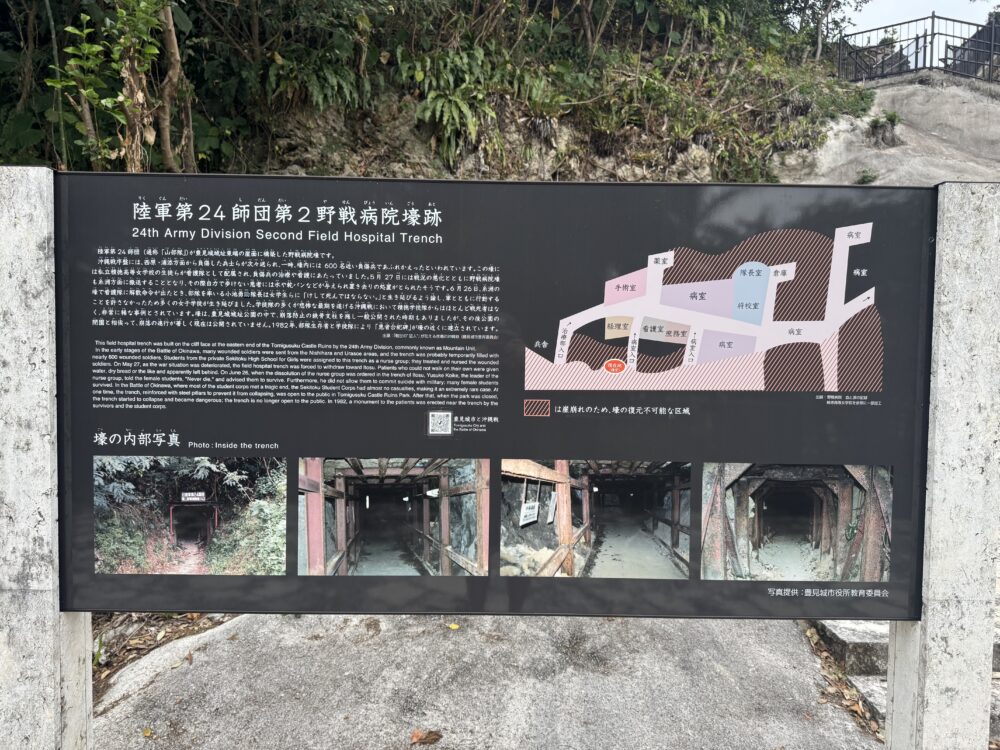
As the fighting intensified the shelter filled with wounded soldiers brought in from the front, reportedly close to 600 at its worst.
The inside of the shelter is not open to visitors, so you cannot go in. Stand at the entrance and picture what happened here.
Newly laid paths and benches
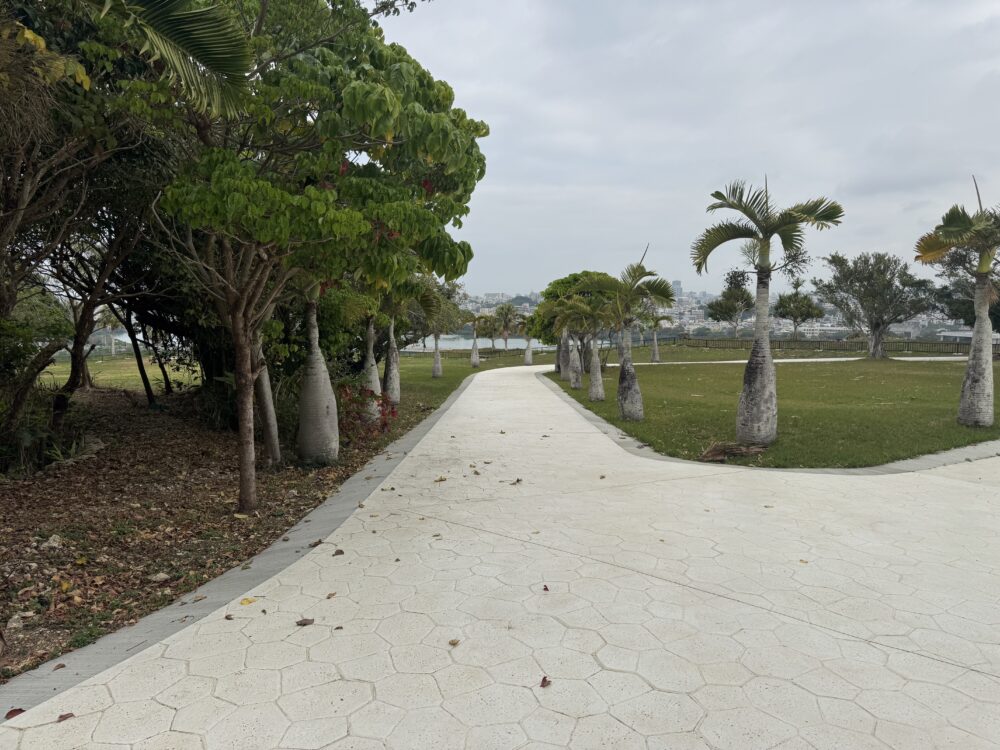
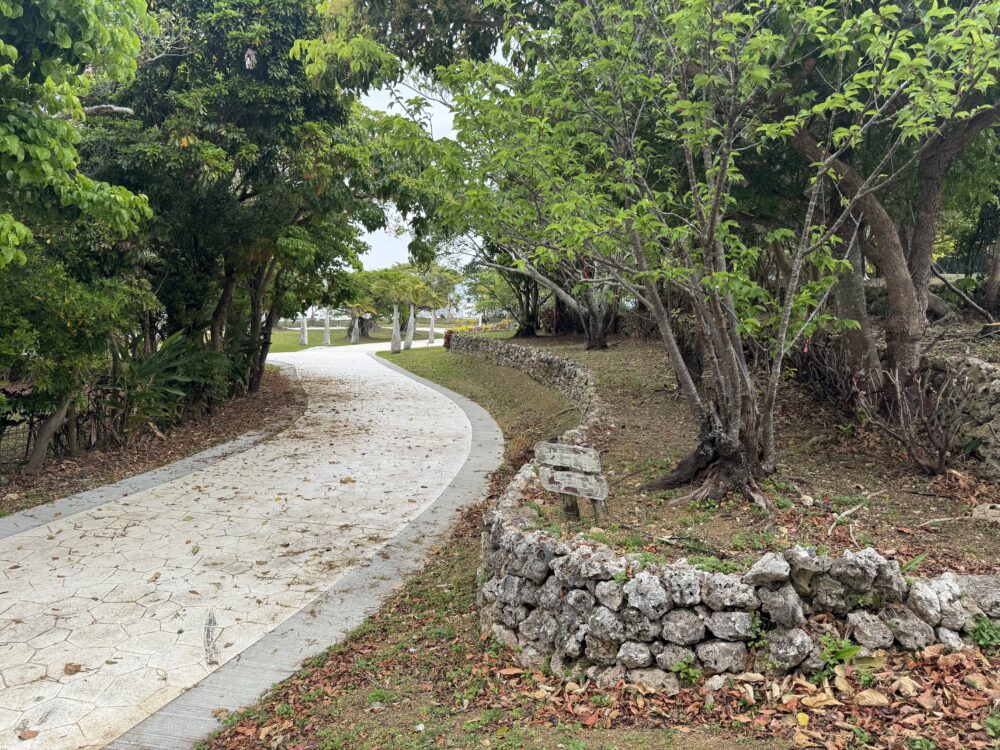
Paths, benches and a parking lot were all newly built for the 2026 reopening.
This is ground people can walk for the first time in about 22 years, which makes it a genuinely fresh stop.
Time needed: about 30 minutes
Allow about 30 minutes to look around Tomigusuku Gusuku.
If you only want to walk the loop and enjoy the view from the high ground, 20 minutes is plenty.
Combine it with the nearby Okinawa Karate Kaikan and Okinawa Kogei no Mori, and half a day gives you room to take your time.
Things to know
- The site has only just opened. Check Tomigusuku City’s latest announcements before you go
- Almost nothing of the walls remains. If you come for the stonework you may find it thin
- There are slopes, so wear comfortable shoes
- There is little shade, so bring a hat and something to drink in summer
- Please take your trash home with you
The history of Tomigusuku Gusuku
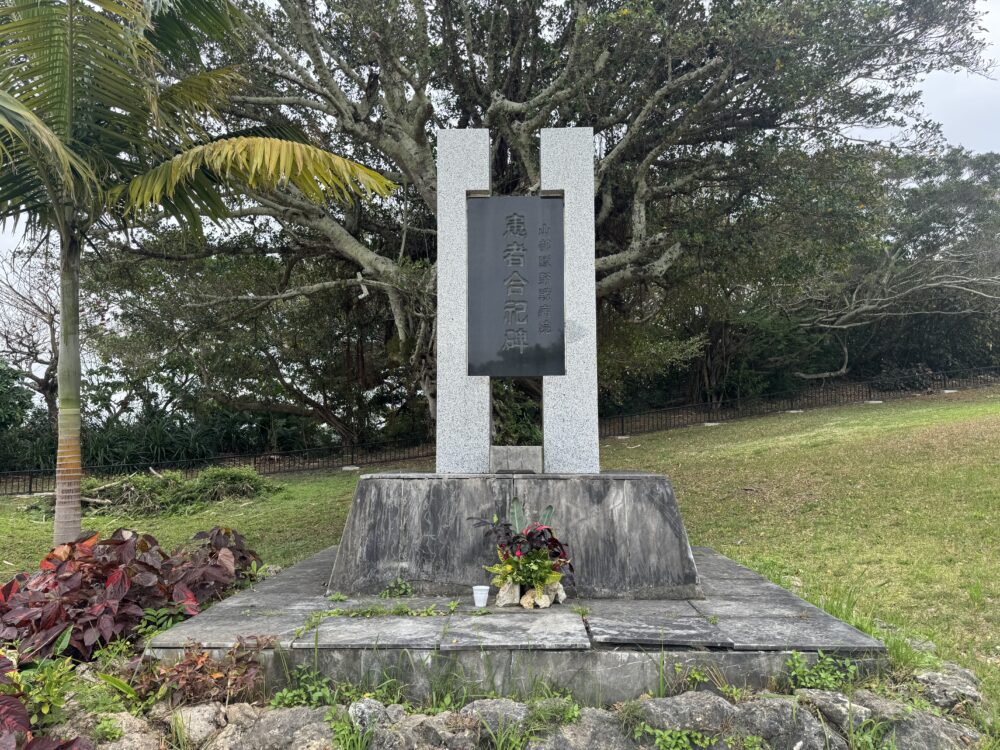
Tomigusuku Gusuku is said to have been built between the late 14th and early 15th centuries, when Ryukyu was divided into the three kingdoms of Hokuzan, Chuzan and Nanzan.
It was built by Ōōso, a son of the second Nanzan king Ōeiji, who went on to become the third king of Nanzan himself.
Ōōso had traveled to China, and he brought the boating pastime he saw there back home. It came to be held on Manko below the castle, and is said to be the origin of today’s Haarii.
Tomigusuku Gusuku is said to have later fallen to Sho Hashi, who went on to unify the three kingdoms.
In the modern era the hill the castle stood on became a quarry, and much of the walls and arched gate was lost.
After the war it was well loved as Tomigusuku Castle Ruins Park, but it closed at the end of November 2003 and stayed off limits for a long time.
In the meantime the Okinawa Karate Kaikan opened nearby in 2017 and Okinawa Kogei no Mori in 2022, and on February 21, 2026 the site reopened to the public as the Tomigusuku Castle Ruins.
Getting there and parking
| Access | About 20 minutes by car from Naha Airport |
| Address | 863 Tomigusuku, Tomigusuku City, Okinawa |
| Parking | Yes (free) |
| Restrooms | Yes |
It is about 20 minutes by car from Naha Airport, or about 15 minutes from the Tomigusuku-Nakachi IC on the Naha Airport Expressway.
By bus, it is about a 3-minute walk from the Tomigusuku Koen Mae stop.
For parking you can use the adjacent Okinawa Kogei no Mori (about 70 spaces), the Okinawa Karate Kaikan (about 100 spaces), or the Tomigusuku Castle Ruins west parking lot (about 120 spaces).
See the Google Map below for the location of Tomigusuku Gusuku.
Around Tomigusuku Gusuku
Activities in Tomigusuku
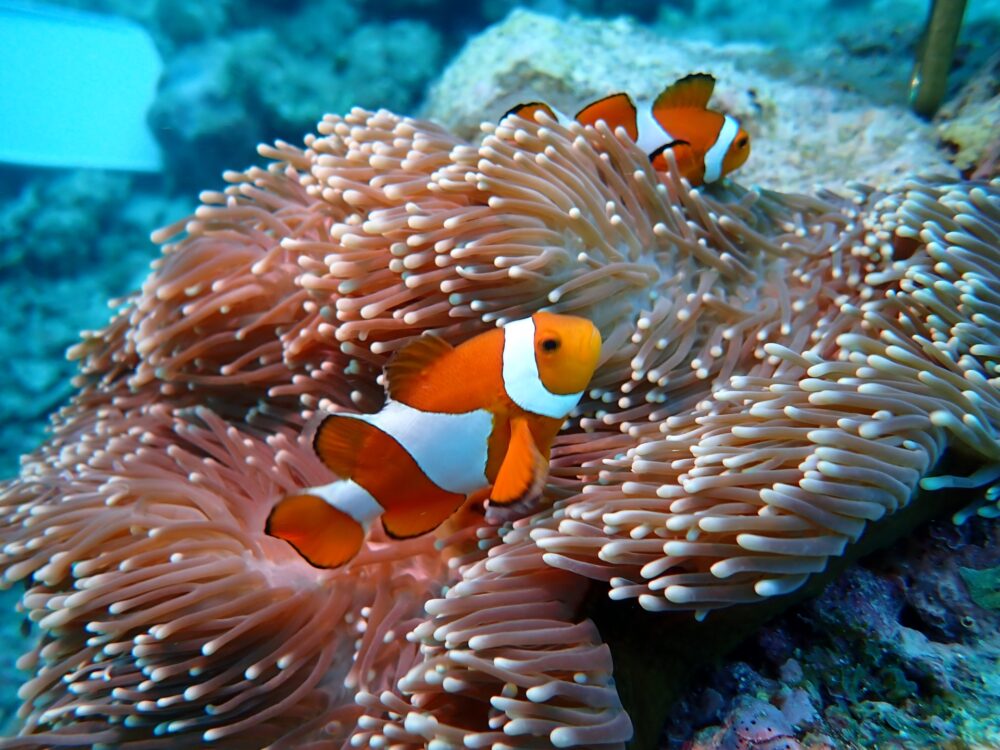
Tomigusuku offers plenty of activities, from snorkeling to SUP.
You can book through Viator or GetYourGuide, so it is worth a look.
Beaches in Tomigusuku
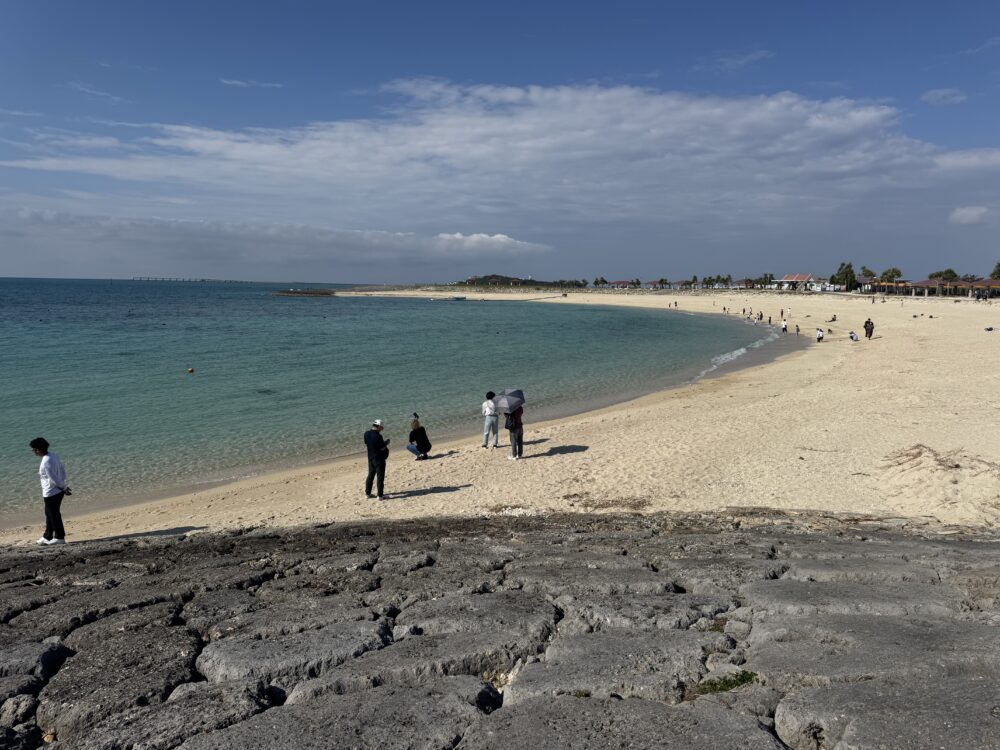
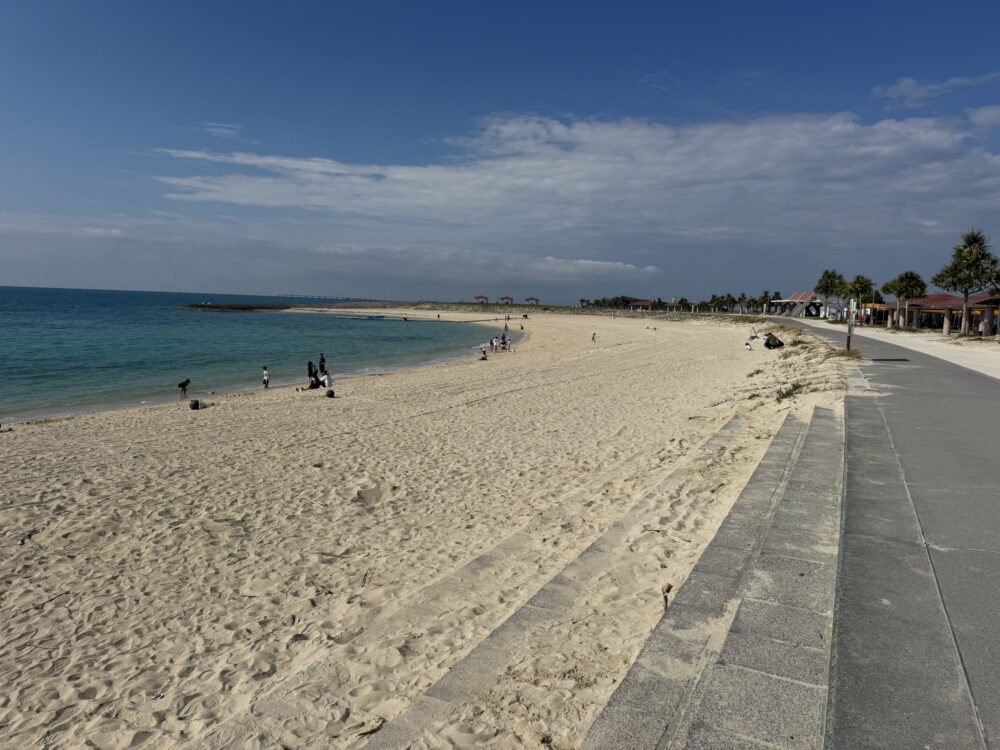
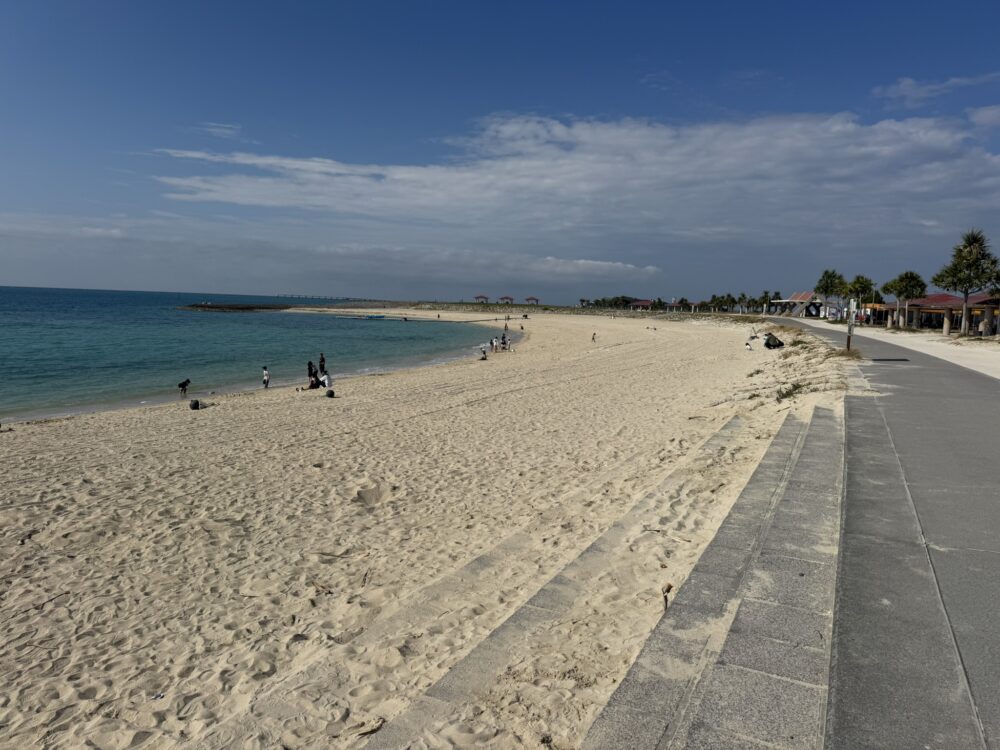
Tomigusuku has the well-equipped Churasun Beach and the natural beaches of Senagajima, all about 15 minutes from Naha Airport.
The beaches of Tomigusuku are covered together in the article below.
Ryukyu Onsen Senagajima Hotel
About 15 minutes by car from Naha Airport, this is the closest resort hotel to the airport, set on Senagajima, an island that is a resort from end to end.
At Ryujin no Yu, the large open-air bath fed by natural hot spring water drawn from 1,000 meters underground, you can soak while looking out over the west coast and the sunset behind the Kerama Islands.
Rooms come in two types, airport view for watching planes take off and land, and ocean view facing the blue sea, and it is a one-minute walk to Umikaji Terrace, the popular white-washed shopping street.
A rental car is the way to go in Okinawa
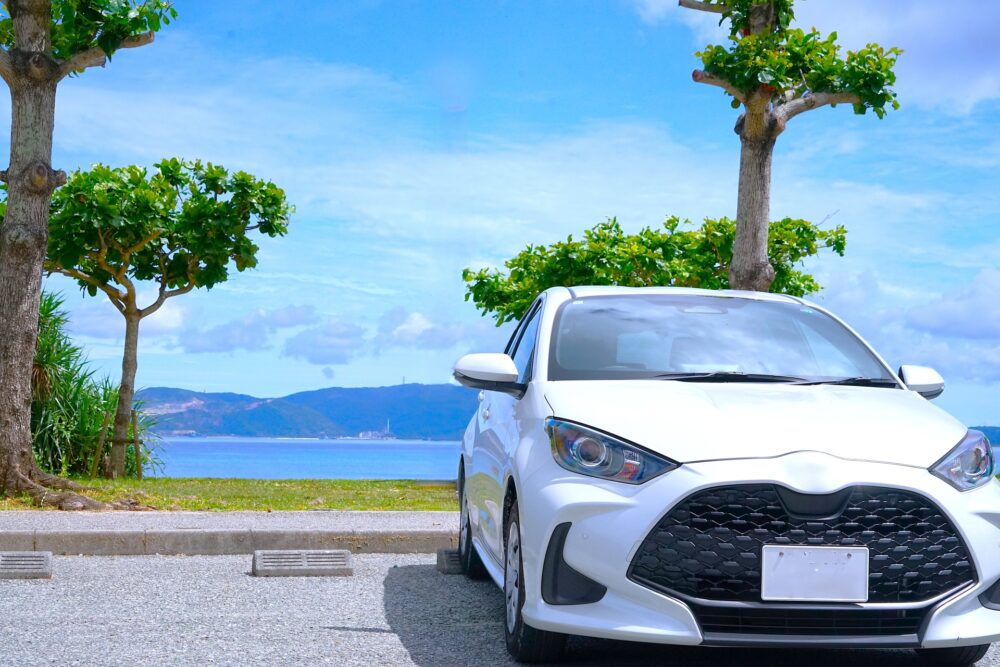
For sightseeing on Okinawa’s main island, a rental car is by far the best option.
Shuri Castle in Naha, the beautiful beaches up north, American Village in Chatan – the places worth seeing are scattered across the island, and having a car lets you explore at your own pace. Buses are infrequent and rarely run on time, so having a car makes a real difference to the trip.
Cars book up quickly in peak season, so reserve as soon as your dates are set.
Summary
This article introduced Tomigusuku Gusuku.
It is a castle site said to have been built by Ōōso, king of Nanzan, and the place where Haarii, the highlight of Okinawa’s summer, began.
Postwar quarrying took most of the remains, but the site reopened in February 2026 after about 22 years, and can be walked again.
It is about 20 minutes by car from Naha Airport, so pair it with Tomigusuku’s beaches or the Okinawa Karate Kaikan.
Thank you for reading to the end.
Comments