
Ukinju and Hainju are two springs in Tamagusuku, Nanjo City, in the south of Okinawa’s main island.
They well up on a slope that drops right down to the shore, and are said to be where rice cultivation in Okinawa began.
On the first Day of the Horse in the first month of the lunar calendar, local people still hold a rice-planting ceremony here.
This guide covers the highlights and history of Ukinju and Hainju, along with access and parking.
Ratings for Ukinju and Hainju
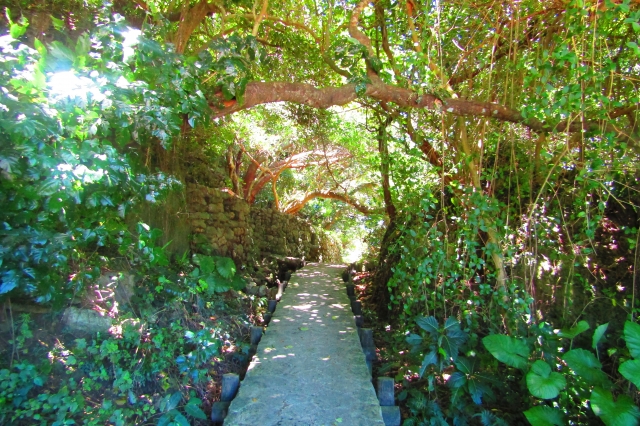
Ukinju and Hainju at a Glance
| Hours | None (free to visit) |
| Closed | None in particular |
| Admission | Free |
| Time needed | About 20 minutes |
| Parking | Yes (free) |
| Restroom | None |
| Address | 1681 Hyakuna, Tamagusuku, Nanjo City, Okinawa |
The rice-planting ceremony held at Ukinju and Hainju is designated an Intangible Folk Cultural Property of Nanjo City.
Highlights of Ukinju and Hainju
The birthplace of rice farming in Okinawa
Ukinju and Hainju are said to be where rice farming in Okinawa began.
The two springs, Ukinju and Hainju, rise side by side on a slope that runs down to the shore.
Below them lies a rice paddy called Weeda, and the story has long been told that rice farming spread across Okinawa from here.
The tenth prayer site on the Agari-umaai
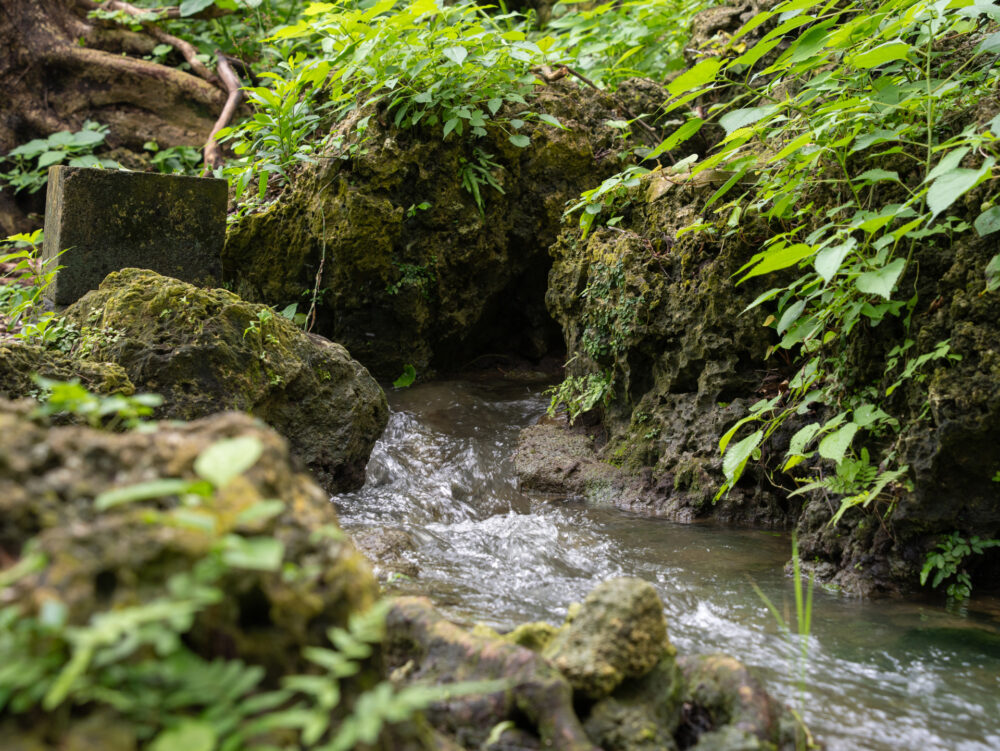
The Agari-umaai is a pilgrimage to sacred sites that has continued since the days of the Ryukyu Kingdom.
It visits places linked to Amamikiyo, the creator deity of Ryukyu, and to the ancestors of the royal family. Starting from Sonohyan Utaki in Shuri as the first site, it heads east through Yonabaru, Sashiki, Chinen and Tamagusuku, and ends at Tamagusuku Castle Ruins – fourteen sites in all.
Ukinju and Hainju are the tenth of these.
From Ukinju and Hainju (no. 10) you can walk along the Hyakuna coast in Tamagusuku to Yaharazukasa (no. 11) and Hamagawa Utaki (no. 12).
A rice-planting ceremony that lives on
On the first Day of the Horse in the first lunar month, local people hold a rice-planting ceremony here.
The ceremony is designated an Intangible Folk Cultural Property of Nanjo City – proof that the legend is still alive as a living custom.
If your timing is right, you can watch it take place.
A setting that opens onto the sea
Ukinju and Hainju sit right by the shore, with the Pacific stretching out beyond the springs.
Set against the legend that the gods came from Nirai Kanai, the paradise beyond the sea, the meaning of this location becomes clear.
Time needed: about 20 minutes
Allow about 20 minutes to see Ukinju and Hainju.
That is roughly how long it takes to see the two springs and the Weeda paddy and read the information board.
If you are also visiting nearby Yaharazukasa and Hamagawa Utaki, allow about an hour so you are not rushed.
Points to Note
- People still pray and hold ceremonies here. Please visit quietly
- Do not step into the paddy or the springs
- If someone is praying, please refrain from taking photos
- The site is on a slope and the ground can be slippery, so wear comfortable shoes
- Please take all rubbish home with you
History of Ukinju and Hainju
Ukinju and Hainju are home to the tradition that rice farming in Okinawa began here.
The two springs on the slope above the shore, and the Weeda paddy below them, have long been regarded as the origin of farming in Okinawa.
Along with Ufakaru in Chinen, it is counted as a birthplace of rice farming – one reason the Agari-umaai is also called “a journey to the birthplaces of the five grains”.
The rice-planting ceremony on the first Day of the Horse in the first lunar month continues today and is designated an Intangible Folk Cultural Property of Nanjo City.
Access & Parking
| Access | About 40 minutes by car from Naha Airport |
| Address | 1681 Hyakuna, Tamagusuku, Nanjo City, Okinawa |
| Parking | Yes (free) |
| Restroom | None |
It is about 40 minutes by car from Naha Airport.
There is parking but no restroom, so plan ahead.
See the Google Map below for the location of Ukinju and Hainju.
Around Ukinju and Hainju
Hyakuna Beach
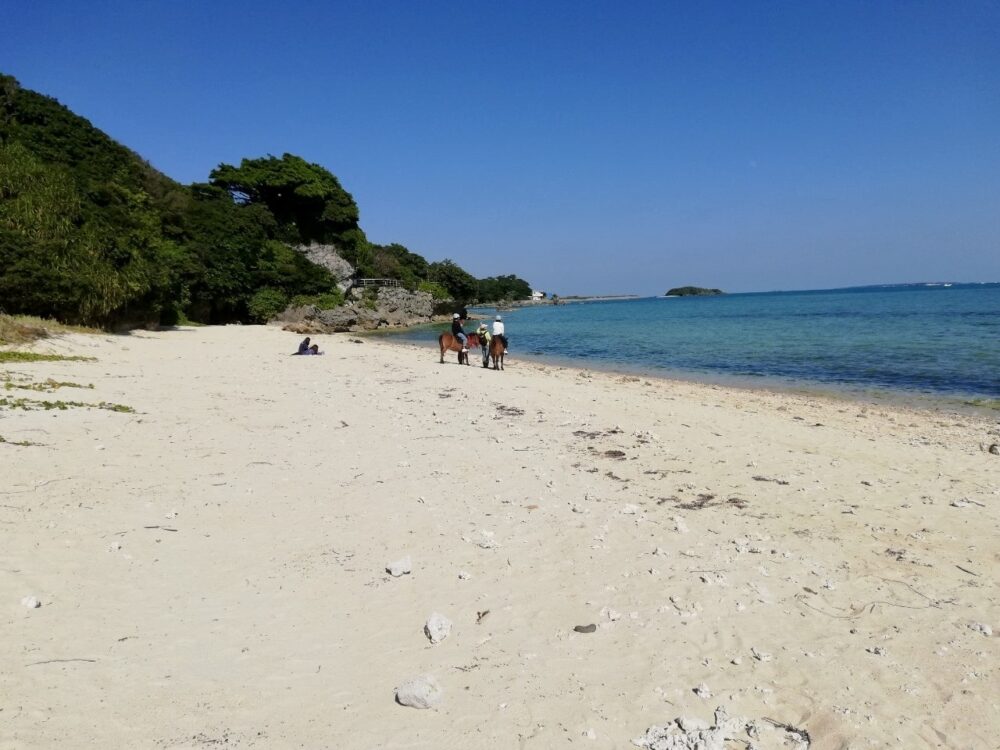
A natural beach right next to Ukinju and Hainju.
It is said to be the sacred spot where Amamikiyo first came ashore, and is known as a power spot.
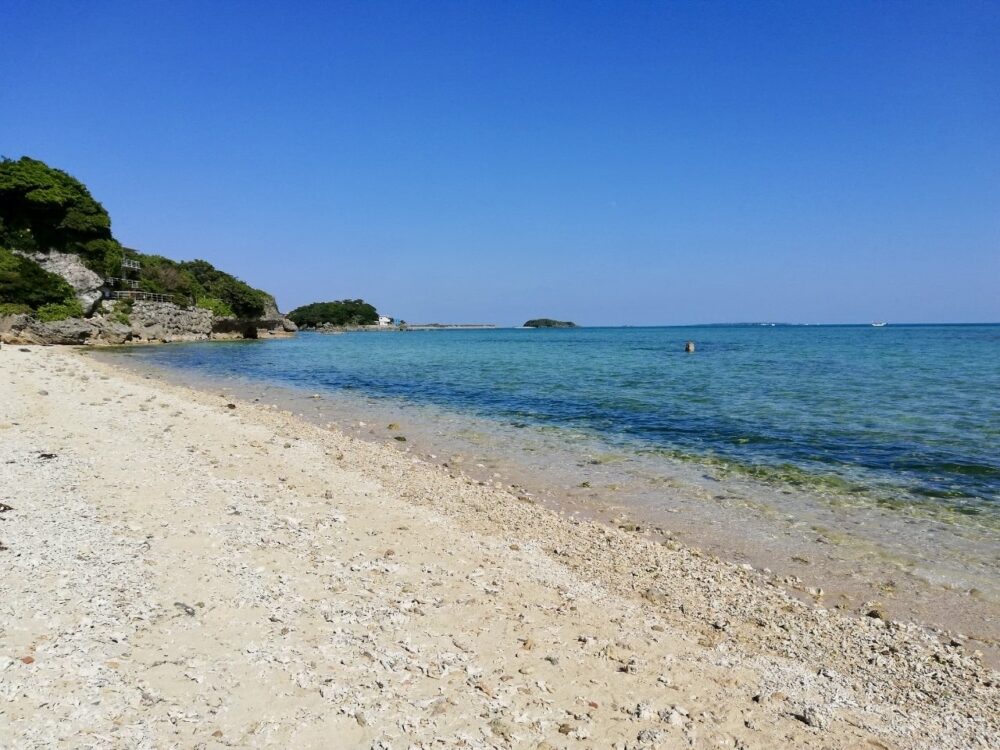
Recommended Activities in Nanjo City
Nanjo City has plenty of marine activities to choose from.
You can book diving, snorkeling, SUP and more.
If you would like to enjoy diving or snorkeling, why not see what is available on Viator or GetYourGuide?
Yuinchi Hotel Nanjo
Yuinchi Hotel Nanjo offers reasonable rates and a natural hot spring – a rarity in Okinawa.
On clear days you can also enjoy fine views of the sea from its hilltop setting.
A rental car is the way to go in Okinawa
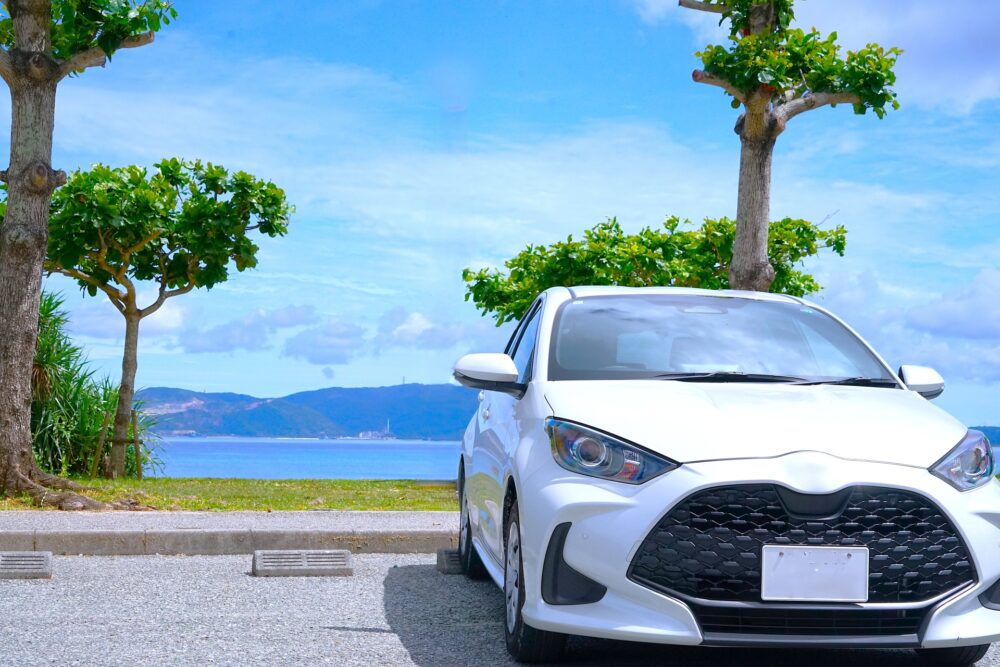
A rental car is by far the best way to get around the main island of Okinawa.
The places worth seeing are scattered across the island, from Shuri Castle in Naha to the beautiful beaches of the north and American Village in Chatan, so a car lets you get around freely at your own pace. Local buses are infrequent and rarely on time, so having a rental car makes a big difference to your trip.
Popular seasons book up quickly, so reserve early once your dates are set.
Summary
In this article we introduced Ukinju and Hainju.
These two springs are said to be the birthplace of rice farming in Okinawa, and the rice-planting ceremony is still carried on today.
They are the tenth site on the Agari-umaai, and you can walk on to Yaharazukasa and Hamagawa Utaki.
When you visit Nanjo City, be sure to stop by Ukinju and Hainju.
Thank you for reading to the end.
Comments