
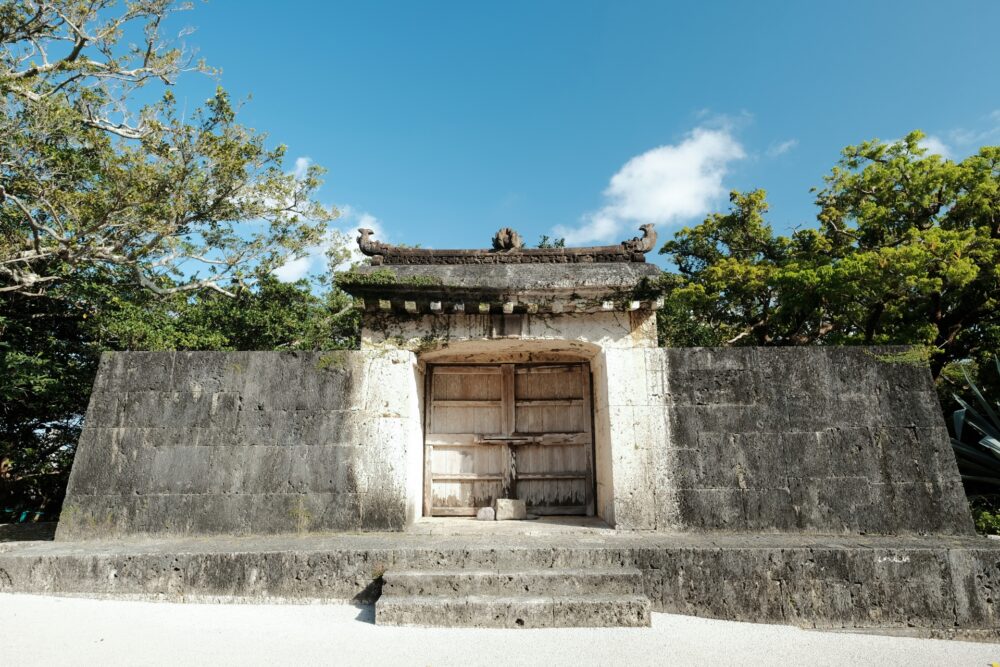
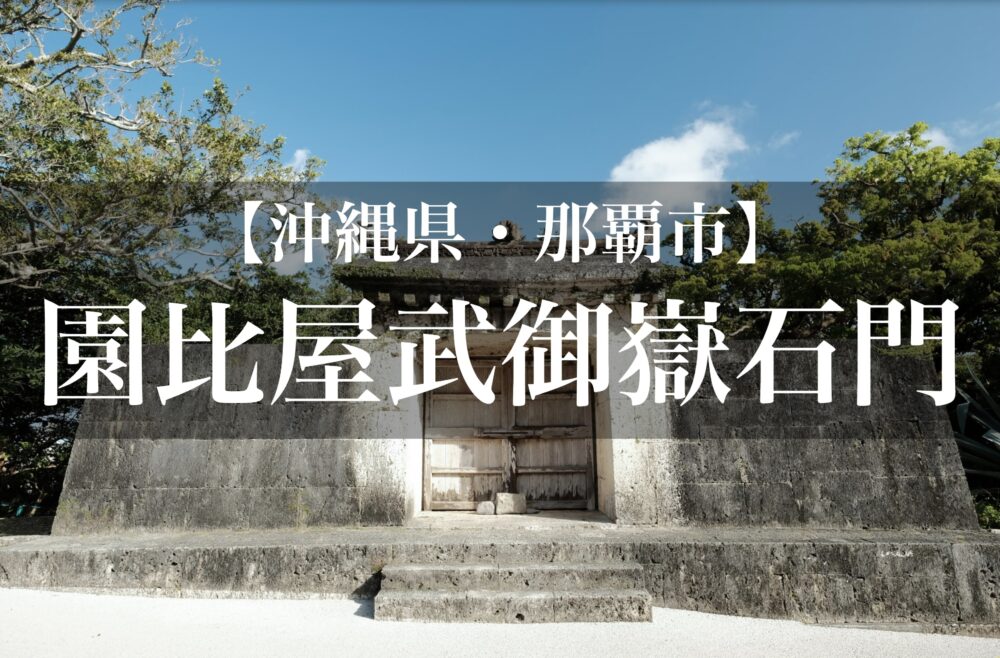
The Sonohyan-utaki Stone Gate is the stone gate of a sacred grove in Naha, in the southern part of Okinawa’s main island.
The Sonohyan-utaki Stone Gate is a place where Okinawa’s history and its natural setting sit side by side.
Inscribed as a World Heritage Site in 2000, the gate still holds visitors with the sheer quality of its stonework.
This article covers what to look for at this historic site and how long to allow for a visit.
Sonohyan-utaki Stone Gate ratings
*Ratings are the personal view of the Okinawa Bookmark editor, based on comparison with other castles and castle ruins in Okinawa
Sonohyan-utaki Stone Gate at a glance
| Hours Free area within the castle grounds | April-June and October-November: 8:00-19:30 July-September: 8:00-20:30 December-March: 8:00-18:30 |
| Closed | Open year-round |
| Admission | Free *The Sonohyan-utaki Stone Gate is in the free area *Shuri Castle is in the paid area |
| Time needed | About 10 minutes |
| Parking | Yes (paid) |
| Restroom | Yes |
| Address | 1-17-3 Shuri Madanjicho, Naha, Okinawa |
The Sonohyan-utaki Stone Gate is just beside Shuri Castle, on the left after you pass through Shureimon.
The Sonohyan-utaki Stone Gate is free to see, but this does not include entry to the paid area of Shuri Castle next door.
Highlights of the Sonohyan-utaki Stone Gate
Ryukyuan limestone craftsmanship that has outlasted the centuries
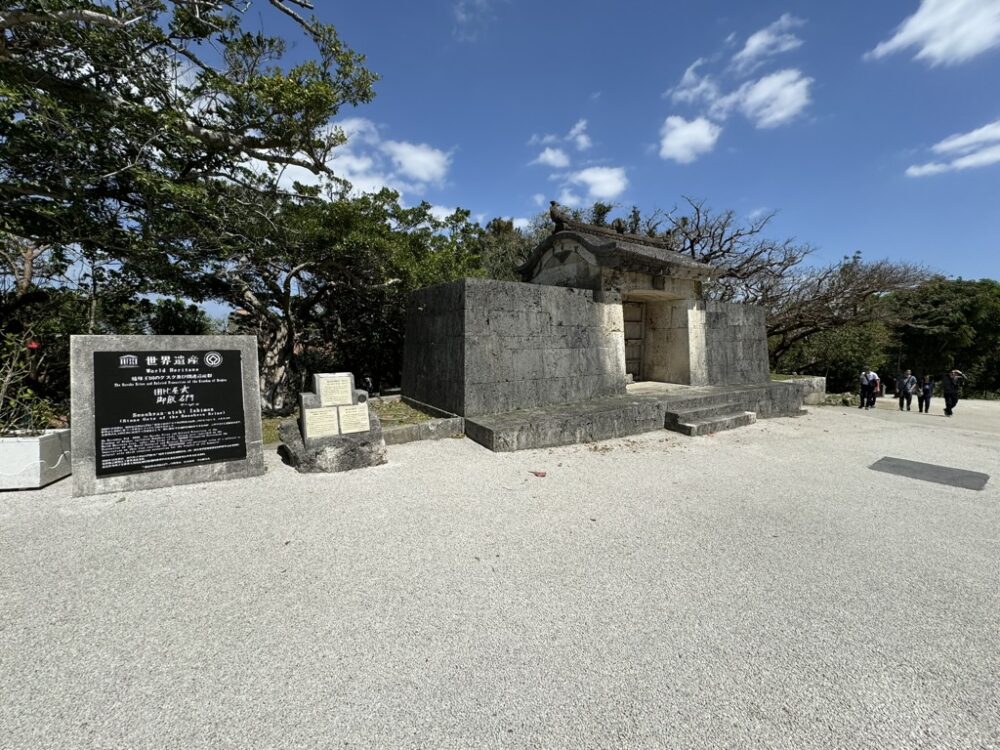
What makes the Sonohyan-utaki Stone Gate is the quality of the stonework itself.
Built in 1519 from Ryukyuan limestone, the gate has carried Okinawa’s history through the centuries.
The gate you see today was rebuilt after the original was lost in the war.
A gate for worship
The gate was never an entrance for people to pass through: it is a sacred place where the Ryukyuan king prayed for safe passage.
The woodland behind it is an utaki, a sacred grove, and was a centre of Ryukyuan faith.
Standing before this gate brings you into contact with something of old Okinawa.
Inscribed as a World Heritage Site in 2000
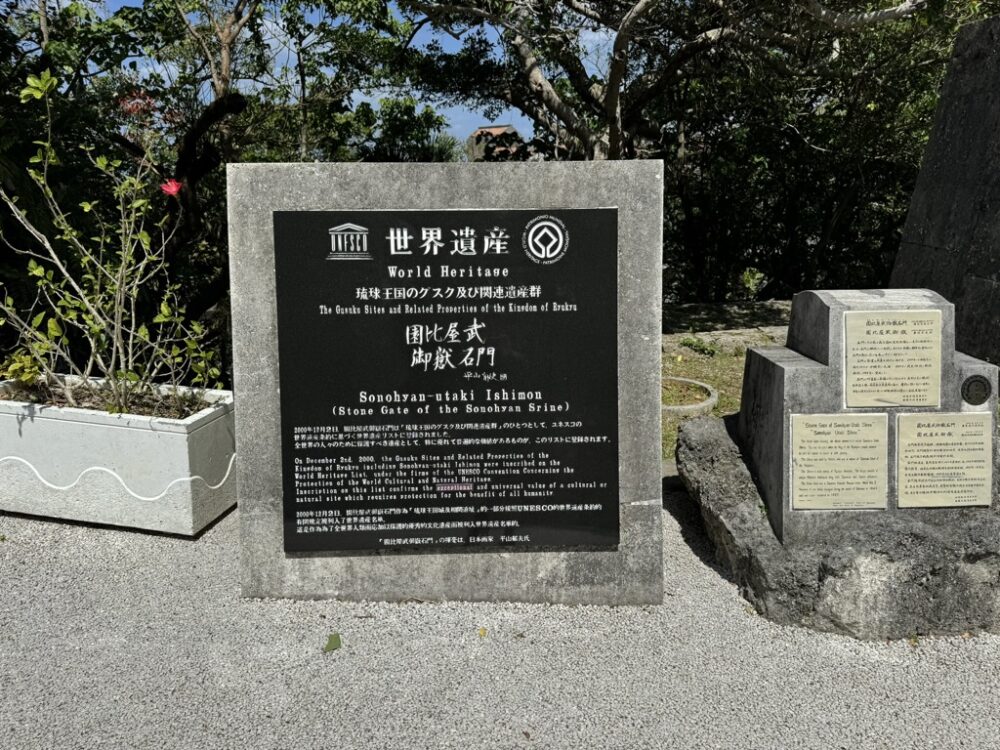
The historical value of the Sonohyan-utaki Stone Gate was recognised in 2000, when it was inscribed as a World Heritage Site as part of the Gusuku Sites and Related Properties of the Kingdom of Ryukyu.
A visit to a site of that standing is one of the high points of any trip to Okinawa.
Time needed: about 10 minutes

Around 10 minutes is enough for the Sonohyan-utaki Stone Gate.
Shuri Castle is right beside it with a great deal more to see, so we would suggest taking in both.
History of the Sonohyan-utaki Stone Gate
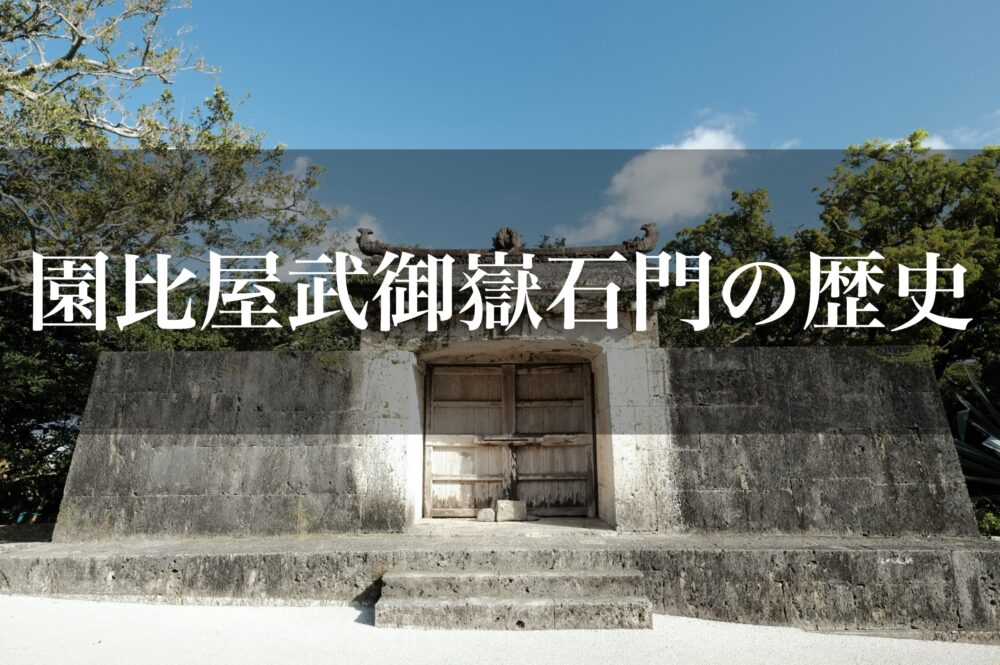
Standing in Shuri Castle Park, the Sonohyan-utaki Stone Gate is more than a building: it is an important piece of cultural heritage that stands for Okinawa’s history and culture.
Built during the reign of King Sho Shin in the 16th century, the gate is a prefecturally designated historic site. The king worshipped here without fail before setting out on a journey through the kingdom, as did each new kikoe-okimi on taking office — this was a sacred site of the state.
The gate is said to date from 1519, built by Nishito at the time the royal army was sent to the Yaeyama Islands.
Damaged in the Second World War, it was restored in 1957. It stands as a symbol of Okinawan identity, and in 2000 it was inscribed as a UNESCO World Heritage Site alongside the Shuri Castle site and others.
The Sonohyan-utaki Stone Gate offers visitors a way into Okinawa’s long history and culture.
Access & Parking
| Access | About 25 minutes by car from Naha Airport |
| Address | 1-2 Shuri Kinjocho, Naha, Okinawa |
| Hours: prefectural parking | April-June and October-November: 8:00-19:30 July-September: 8:00-20:30 December-March: 8:00-18:30 |
| Prefectural parking | Several lots (paid) Standard vehicle: 400 yen Large vehicle: 1,200 yen |
| Restroom | Yes |
There is paid parking for the Sonohyan-utaki Stone Gate.
Several lots serve the area; here we cover the Shuri Castle Park prefectural parking.
Nearby Information
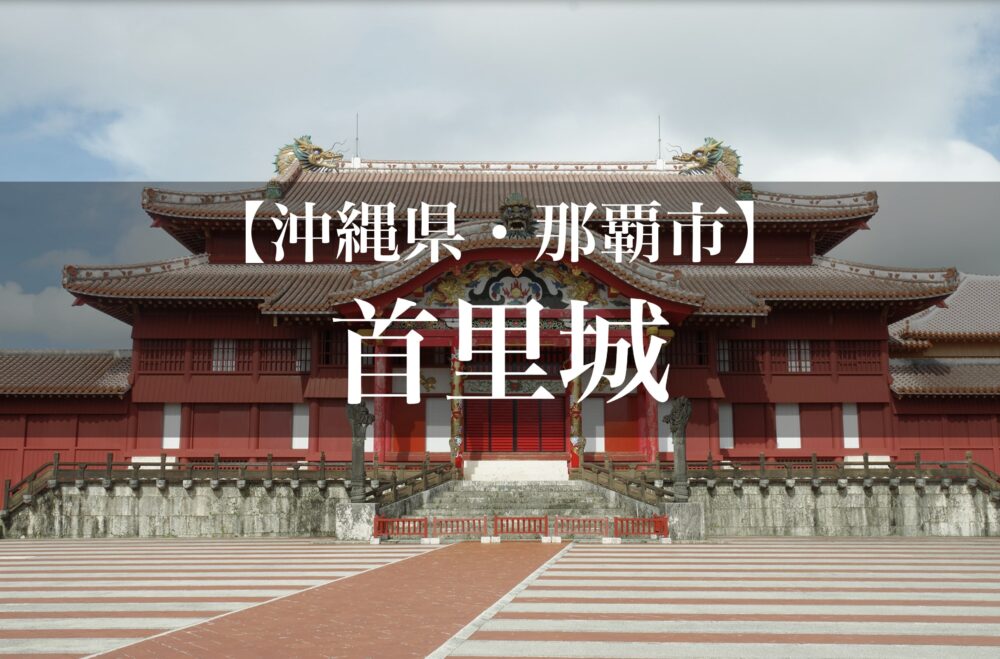
Shuri Castle

Shuri Castle is a castle in Naha, in the southern part of Okinawa’s main island.
From 1429 to 1875, through the Ryukyu Kingdom, Shuri Castle was the centre of the kingdom’s politics, diplomacy and culture.
In 2000 it was inscribed as a World Heritage Site as part of the Gusuku Sites and Related Properties of the Kingdom of Ryukyu.
As a visit, about 30-45 minutes is enough to get round it.
There is paid parking, and with Naha Airport close by it is an easy place to reach.
*Following the fire in 2019, the main hall and the north and south halls burned down and cannot be seen. (Restoration is due for completion in 2026.)
Tamaudun
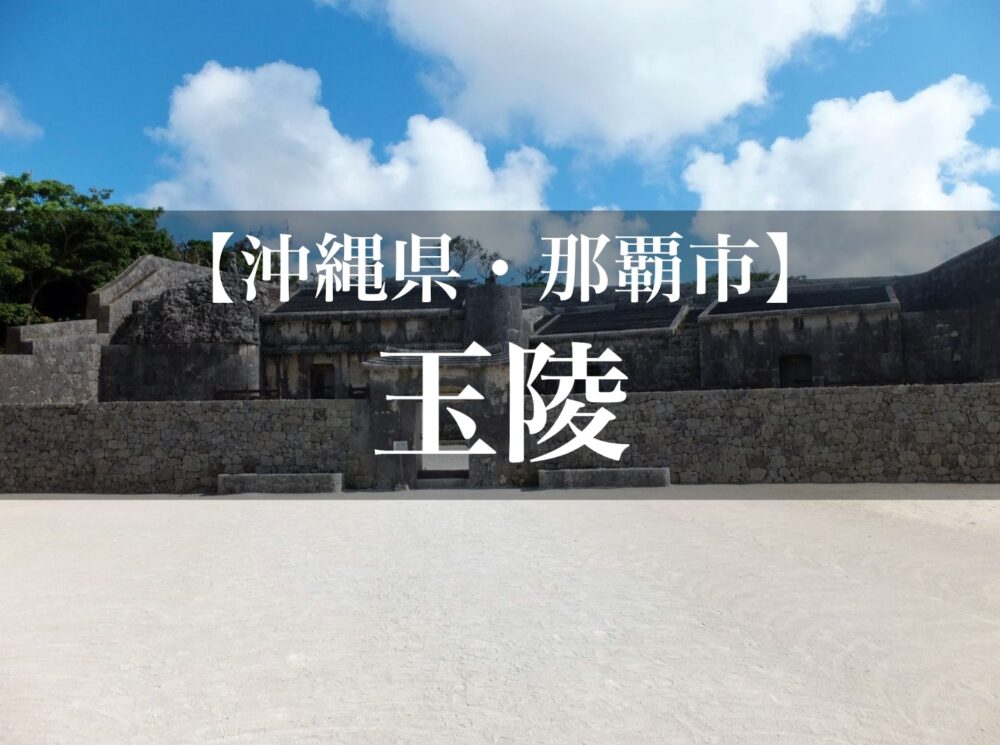
Tamaudun, also known as Tamaudun or Reiudun, is the mausoleum where the kings of the Second Sho Dynasty of the Ryukyu Kingdom are laid to rest.
The great stone tomb stands in Shuri Kinjocho, Naha, and was built by King Sho Shin in 1501.
It is a World Heritage Site and a national treasure, and the weight of history is unmistakable.
Activities in Naha

Naha, in the southern part of Okinawa’s main island, offers plenty of activities including diving and snorkeling.
You can book through GetYourGuide or Viator, so do take a look at what is on offer.
Rihga Royal Gran Okinawa
Rihga Royal Gran Okinawa connects directly to Asahibashi Station on the Yui Rail monorail, and is as little as five minutes by car or about ten by monorail from Naha Airport.
A Japanese-Western-Ryukyuan buffet breakfast at Dining 19 on the top floor, a welcome drink in every room and valet parking all add up to a genuinely comfortable stay.
You can check it on Booking.com, so do take a look.
A rental car is the way to go in Okinawa

A rental car is by far the best way to get around the main island of Okinawa.
The places worth seeing are scattered across the island, from Shuri Castle in Naha to the beautiful beaches of the north and American Village in Chatan, and with a car you can take them at your own pace. Buses are infrequent and do not always run on time, so having a car or not makes a real difference to the trip.
Cars fill up quickly in the peak season, so we recommend booking early once your travel dates are set. One important note for overseas visitors: to drive in Japan you must obtain an International Driving Permit (Geneva Convention) in your home country before you depart, and remember that traffic in Japan drives on the left.
Summary
The Sonohyan-utaki Stone Gate is one of Okinawa’s defining sites, where history and its natural setting come together.
The Ryukyuan limestone craftsmanship stands out, and the gate carries the important history of a place once used for royal worship.
For anyone with an interest in Okinawa’s history and culture, the Sonohyan-utaki Stone Gate is not to be missed.
Take the chance to see the history and the craftsmanship of the Sonohyan-utaki Stone Gate for yourself.
Comments