
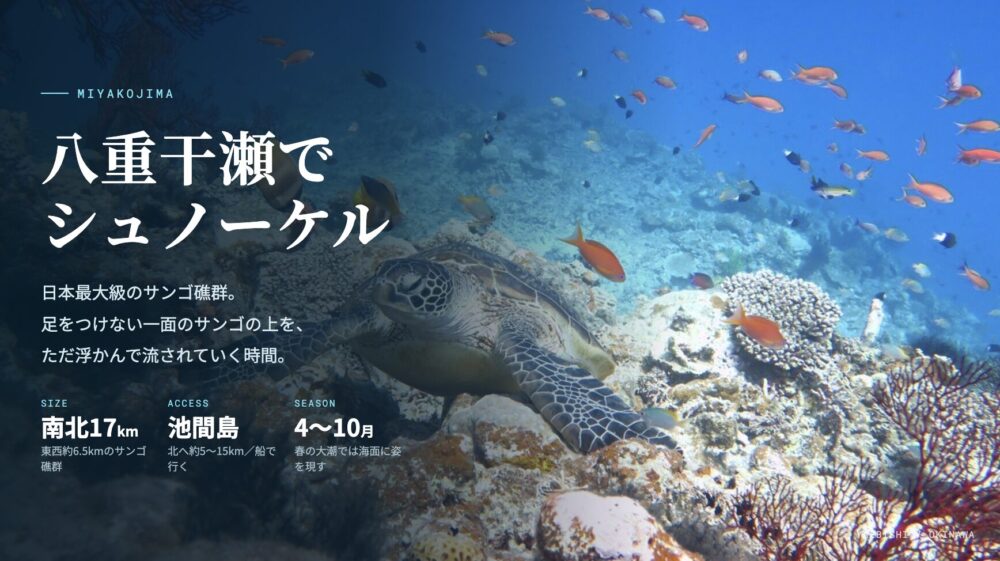
Yabiji is a vast coral reef system lying in the open sea north of Miyako Island, beyond Ikema Island. With more than 100 individual reefs stretching roughly 12 km north to south and 7 km east to west, it ranks among the largest coral reef areas in Japan.
For most of the year the reefs sit below the surface. Only during the spring tides, when the water pulls back dramatically, do they rise above the sea, a sight that earned Yabiji the nickname “the Phantom Continent.”
This guide covers what makes Yabiji special, how to get there, how to choose the right tour, the best season to visit, and the points worth knowing before you go.
Yabiji Ratings
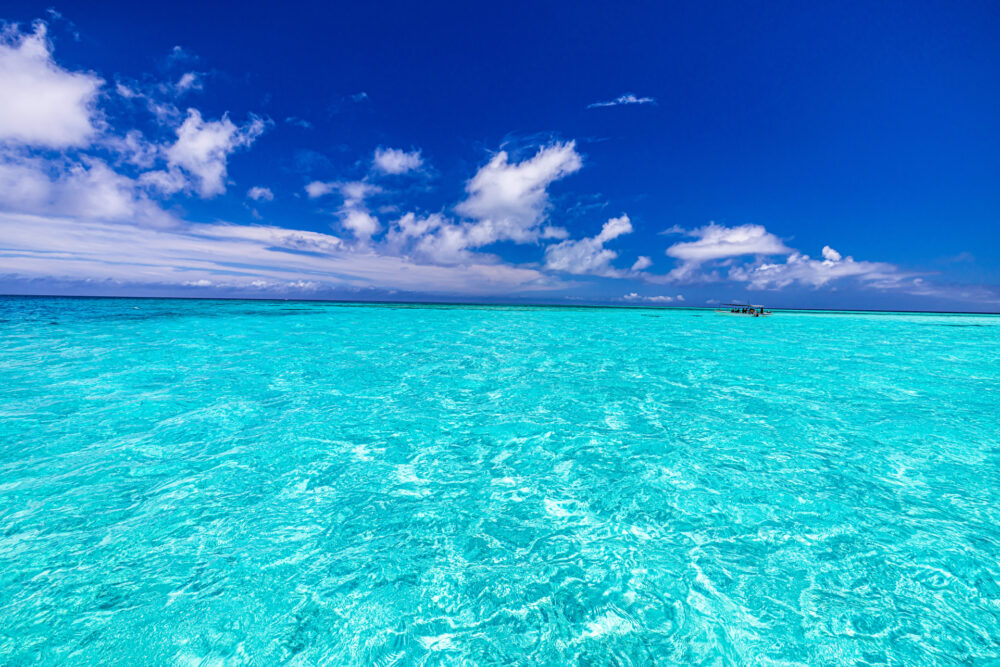
Yabiji Essentials
| Pronunciation | Yabiji (also read Yaebishi) |
| Location | Roughly 5–22 km offshore, north of Ikema Island |
| Scale | About 12 km north–south × 7 km east–west / more than 100 reefs |
| Designation | National Place of Scenic Beauty and Natural Monument (designated 2013) |
| Admission | None (tour fees charged separately) |
| Access on foot | Not possible (boat only) |
| Main departure points | Ikema Fishing Port, Hirara Port, ports on Irabu Island |
| Boat ride | About 15–20 minutes from Ikema Fishing Port |
| Best season | Spring to autumn (outside typhoon season) |
| When the Phantom Continent appears | Around the spring tide near March 3 on the lunar calendar (typically April) |
| Lifeguard | None |
| Restrooms / showers | None (use the tour operator’s facilities) |
| Official website | – |
Yabiji is not a beach but an offshore stretch of sea. Since you cannot walk there from land, joining a boat tour is essential.
Its position in the open ocean gives it exceptional clarity and fish life, but it also leaves it exposed to changing sea conditions.
What Makes Yabiji Special
One of Japan’s Largest Coral Reef Systems
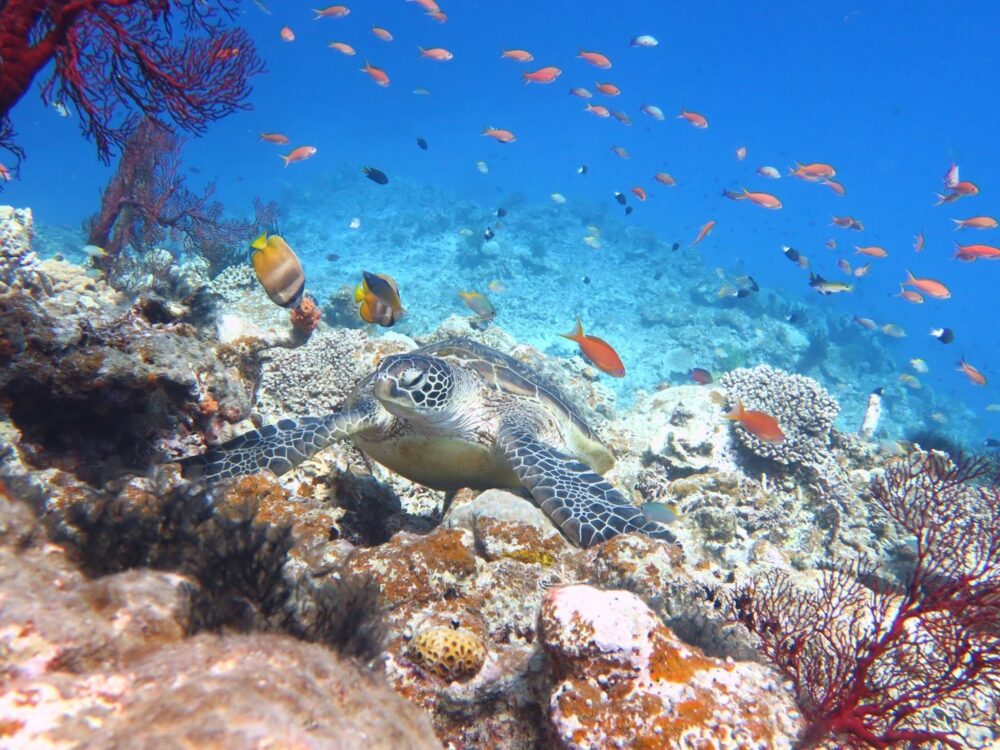
Yabiji comprises more than 100 reefs spread across roughly 12 km north to south and 7 km east to west, making it one of the largest coral reef areas in Japan.
Each dive site has its own coral species and topography. Some are carpeted with table corals, while others form tangled outcrops where fish gather. A full-day tour visiting four or five sites reveals completely different scenery within the same reef system.
The “Phantom Continent” That Appears Only a Few Days a Year
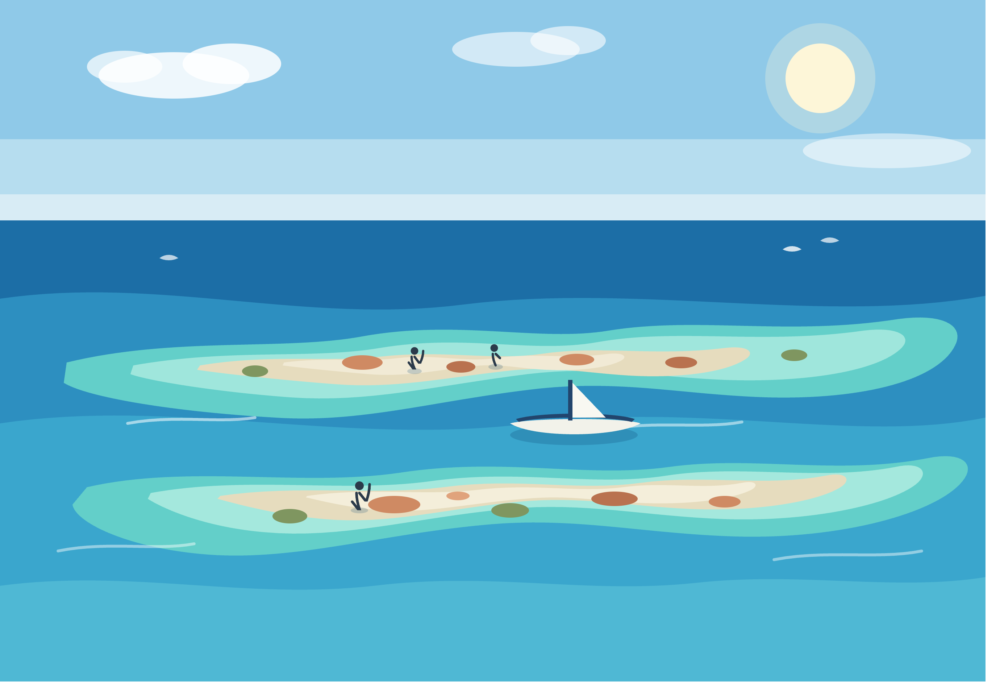
The reefs normally lie beneath the surface, but during the spring tides, when the tidal range is at its greatest, they emerge above the water for just a few days. This is where the nickname “Phantom Continent” comes from.
The window falls around March 3 on the lunar calendar, usually in April. Landing tours are sometimes offered then, but the dates are limited and weather dependent, so plan well ahead if this is your goal.
Yabiji Tours
Videos introducing Yabiji tours are available on YouTube and elsewhere, so it may be worth watching a few before you go.
Open-Ocean Clarity and Fish Life
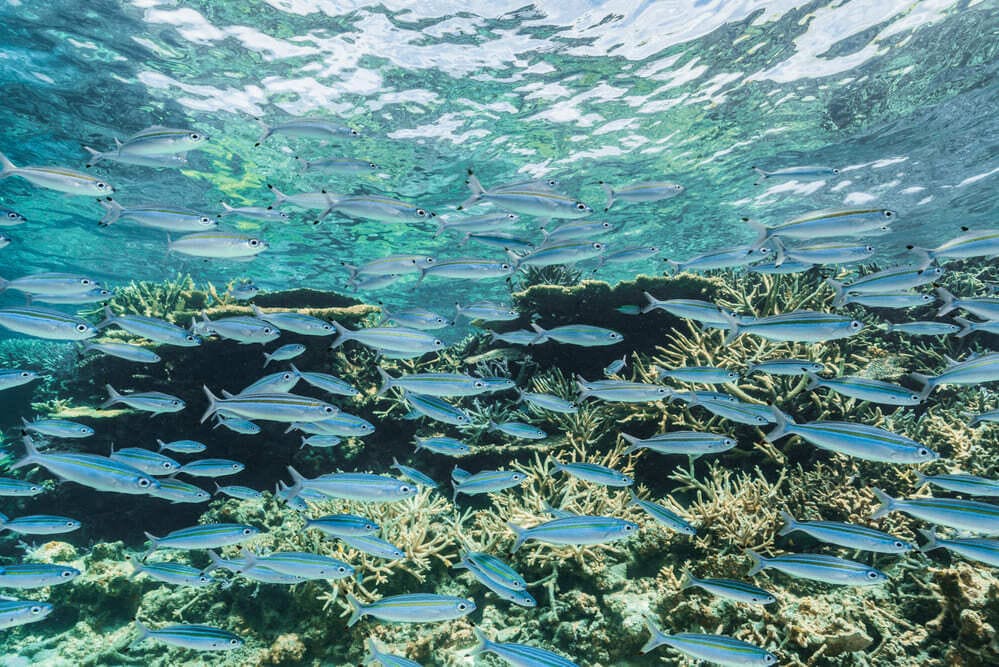
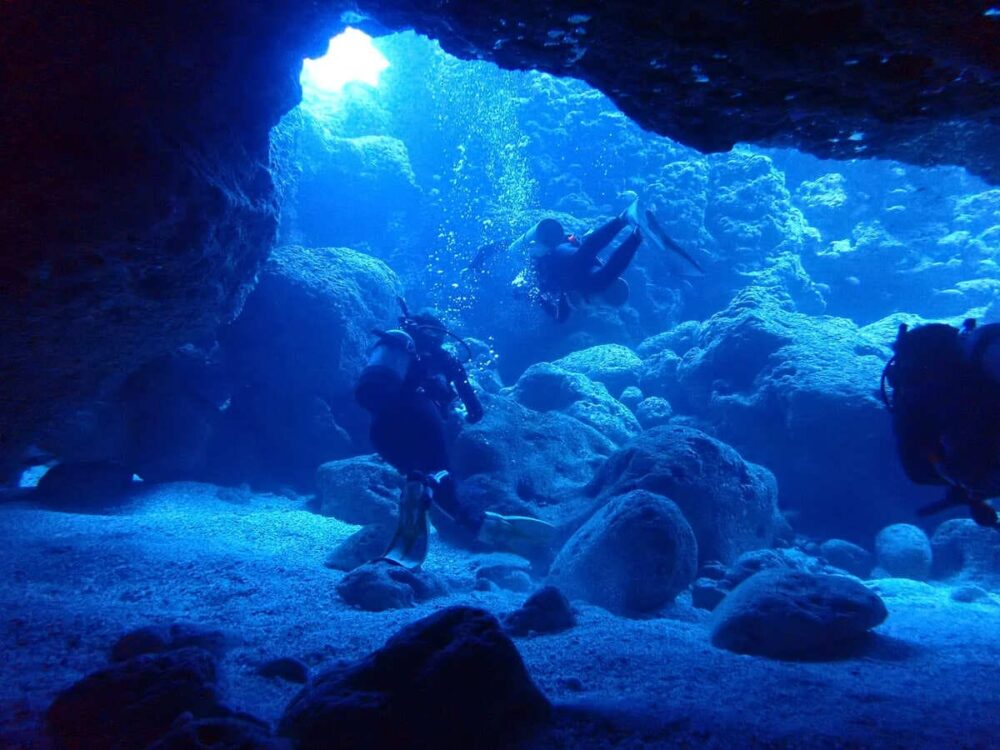
Because Yabiji sits in the open ocean, its clarity is on another level compared with coastal beaches. At deeper sites you can see the coral on the seabed clearly from the surface.
The variety and number of fish are impressive too, and with luck you may encounter sea turtles or manta rays.
Departing from Ikema Island Is the Shortest Route
Tours to Yabiji leave from Ikema Fishing Port, Hirara Port, and ports on Irabu Island. The closest is Ikema Fishing Port, from which the boat ride takes about 15 to 20 minutes.
From Irabu Island the crossing takes 20 to 30 minutes. If you are prone to seasickness or have other plans the same day, choosing a tour departing from Ikema Island keeps travel time to a minimum.
Access and Parking
| Access | About 40 minutes by car from Miyako Airport to Ikema Fishing Port |
| Address | Ikema, Hirara, Miyakojima City, Okinawa (Ikema Fishing Port) |
| Meeting point | Varies by operator (Ikema Fishing Port, Hirara Port, etc.) |
| Parking | Use the parking area designated by your tour operator |
| Restrooms | None (use the facilities at the meeting point) |
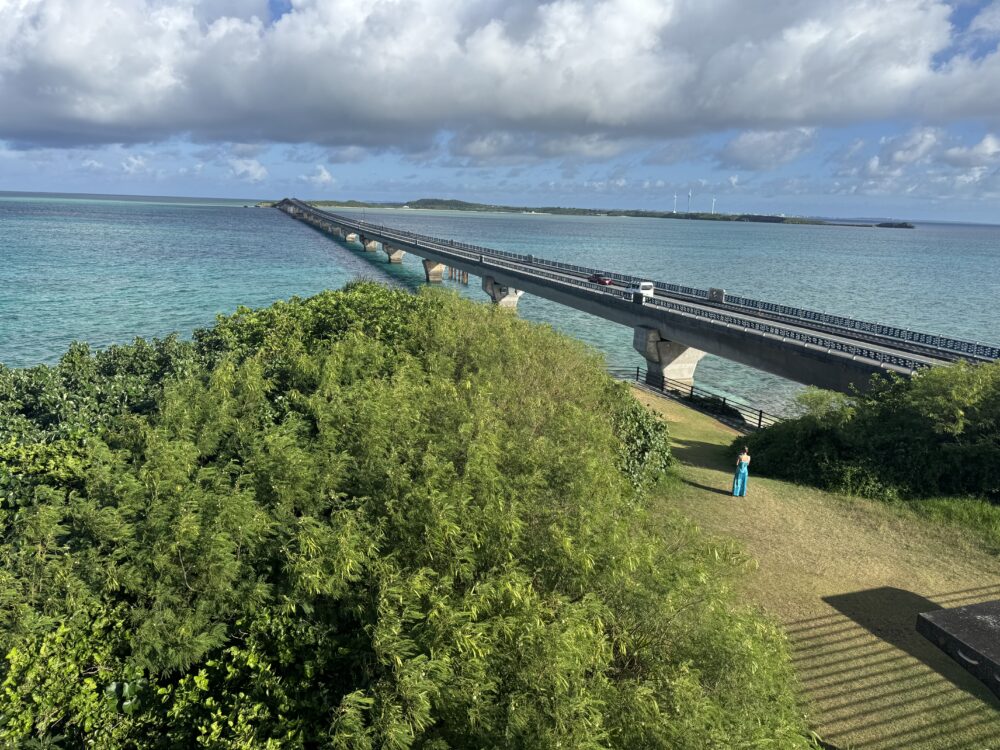
It is about a 40-minute drive from Miyako Airport to Ikema Fishing Port, crossing Ikema Ohashi Bridge. At 1,425 metres long, the bridge is a highlight of Miyako Island sightseeing in its own right.
There is no parking at Yabiji itself. Meeting points and parking differ by operator, so confirm the details when you book.
How to Choose a Yabiji Tour
Half-Day Versus Full-Day Plans
| Half-day plan | About 3 hours / 2–3 dive sites |
| Full-day plan | About 5–6 hours / 4–5 dive sites |
| Who it suits | Half-day: travellers fitting it around other plans / Full-day: those who want to explore Yabiji thoroughly |
A half-day plan is plenty for a first visit, but the scenery changes considerably from site to site. If your schedule allows, a full-day tour is far more rewarding.
Prices and departure times vary by operator and season, so check the latest details when booking.
Your Departure Port Changes the Travel Time
As noted above, Ikema Fishing Port is the shortest at 15 to 20 minutes, while Irabu Island takes 20 to 30 minutes.
Depending on where you are staying, a slightly more distant departure from Hirara Port can sometimes mean less total travel time. Factor in the drive from your accommodation as well.
Things to Check When Booking
Around Yabiji
Activities on Miyako Island
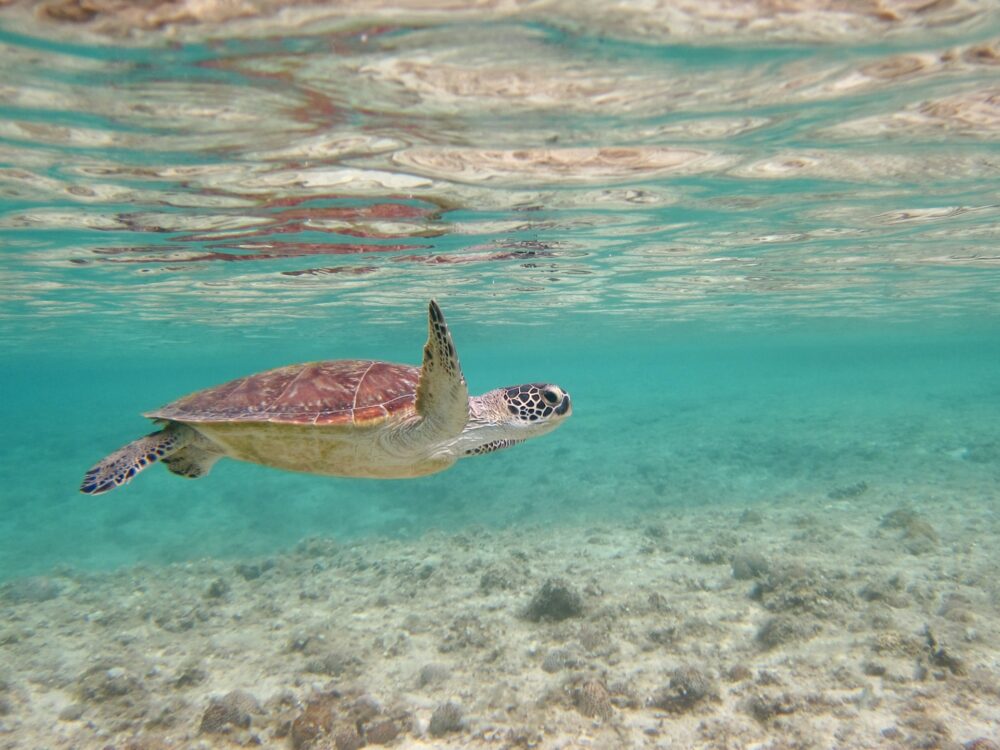
Snorkeling, diving, SUP, and other marine sports in Miyako Island’s crystal-clear water are hugely popular.
Yabiji tours can be booked here as well. Popular plans fill up early, so reserve as soon as your dates are set.
Rental Cars on Miyako Island
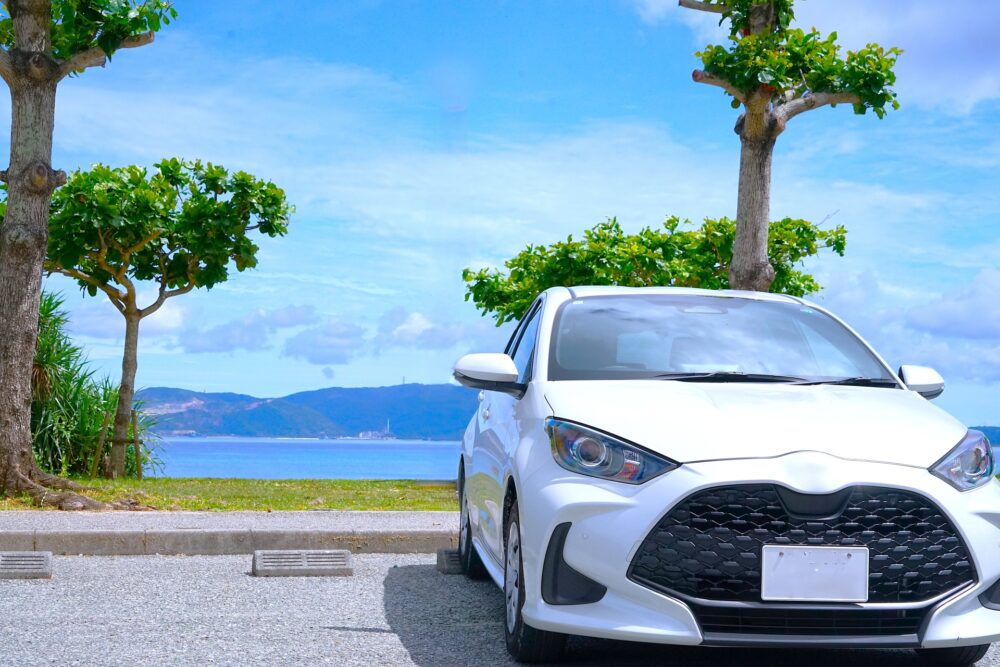
A rental car is by far the best way to get around Miyako Island.
With a car you can cross Ikema Ohashi Bridge and reach Ikema Fishing Port, the meeting point for Yabiji tours, with ease. Bus services on Miyako Island are infrequent, and having a car makes a huge difference to how much you can fit in.
Reservations fill up quickly in peak season, so book early once your travel dates are decided.
Frequently Asked Questions About Yabiji
When can you see the “Phantom Continent”?
During the spring tides, when the tidal range is at its greatest for the year, generally around March 3 on the lunar calendar and usually in April. It lasts only a few days and depends on the weather.
Can I join if I cannot swim?
Many plans welcome weaker swimmers, provided the tour requires life jackets and includes a guide.
That said, this is the open ocean, so raise any concerns when you book.
Can I bring children?
Minimum ages vary by operator, with some plans set at six years and up.
Check in advance whether preschool-age children are permitted.
Snorkeling or diving, which is better?
The coral at Yabiji is clearly visible even in shallow water, so snorkeling alone is thoroughly rewarding.
If you want to explore the topography or look for larger marine life, diving is the better choice.
Do tours get cancelled?
Yes. Because Yabiji is in the open ocean, tours are cancelled or rerouted on days with high waves.
Scheduling it early in your trip leaves room for a backup day if it is called off.
Summary
Yabiji is one of Japan’s largest coral reef systems, spreading north of Ikema Island. Designated a National Place of Scenic Beauty and Natural Monument, its open-ocean clarity and sheer abundance of fish offer an experience quite unlike any beach on Miyako Island.
Two things are worth keeping in mind: choose a tour departing from Ikema Island for the shortest crossing, and leave slack in your itinerary in case sea conditions force a cancellation.
Ohama Beach, Funakusu Beach, and Ogami Island are all nearby. Combine them and you have a full day exploring northern Miyako Island.
Thank you for reading to the end.
We have gathered the beaches of Ikema Island and northern Miyako, where Yabiji Reef is, into one article — take a look if you are interested.

Comments