
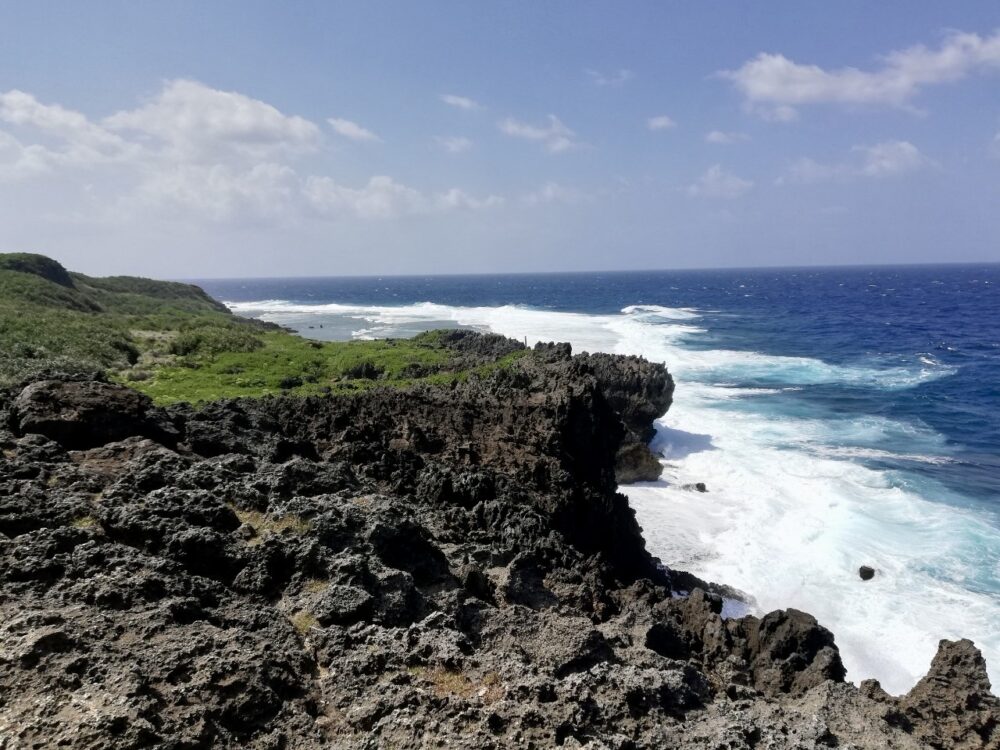
Cape Hedo is a cape in Kunigami Village, in the north of Okinawa’s main island, well known as the island’s northernmost point.
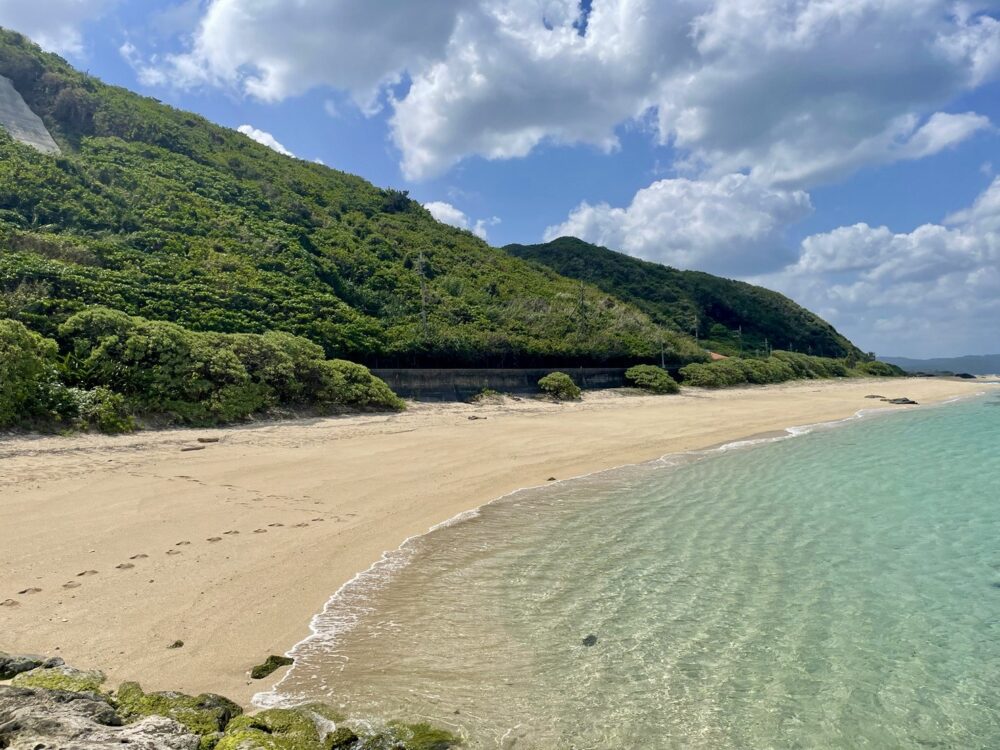
High cliffs and exceptionally clear water define it, and on some days the waves run rough.
The views are genuinely beautiful, and on a clear day you can see Yoron Island and Izena Island.
Large numbers of visitors and locals come here every year, which makes it a good choice if you want to take in Okinawa’s wilder side.
Ratings for Cape Hedo
*Ratings reflect the personal impressions of the Okinawa Bookmark editor compared with other capes in Okinawa Prefecture
Cape Hedo at a Glance
| Opening hours | None in particular |
| Admission | Free |
| Parking | Available (free) |
| Restrooms | Yes |
| Shop | Yes |
| Official website | Kunigami Village Planning, Commerce and Tourism Division |
What Makes It Worth Visiting
Wild Nature
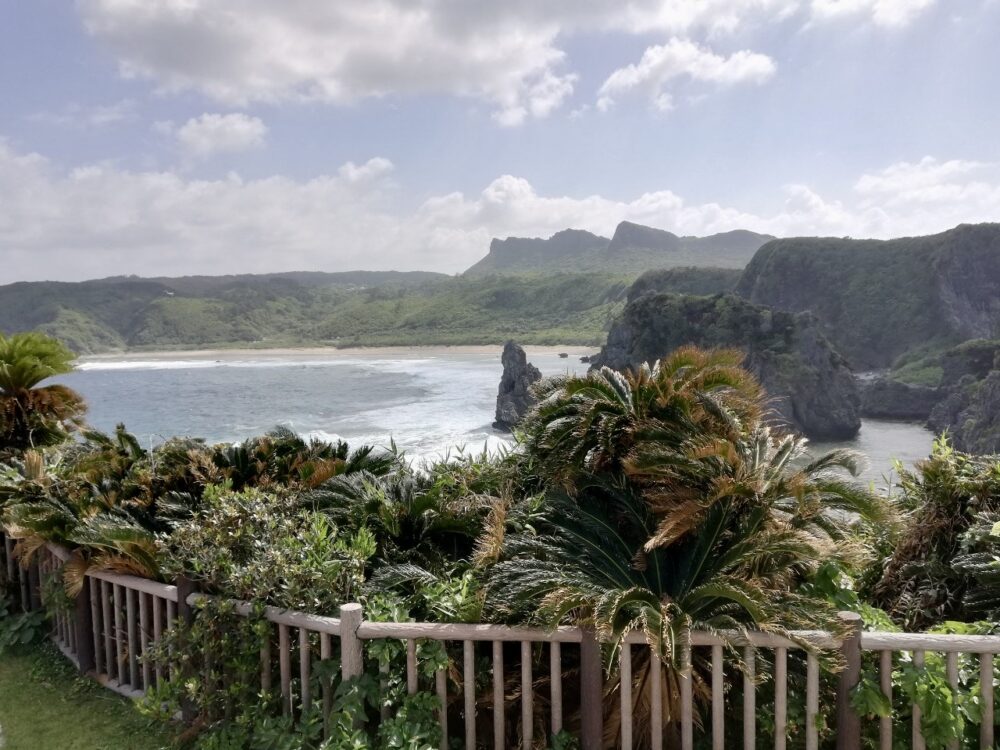
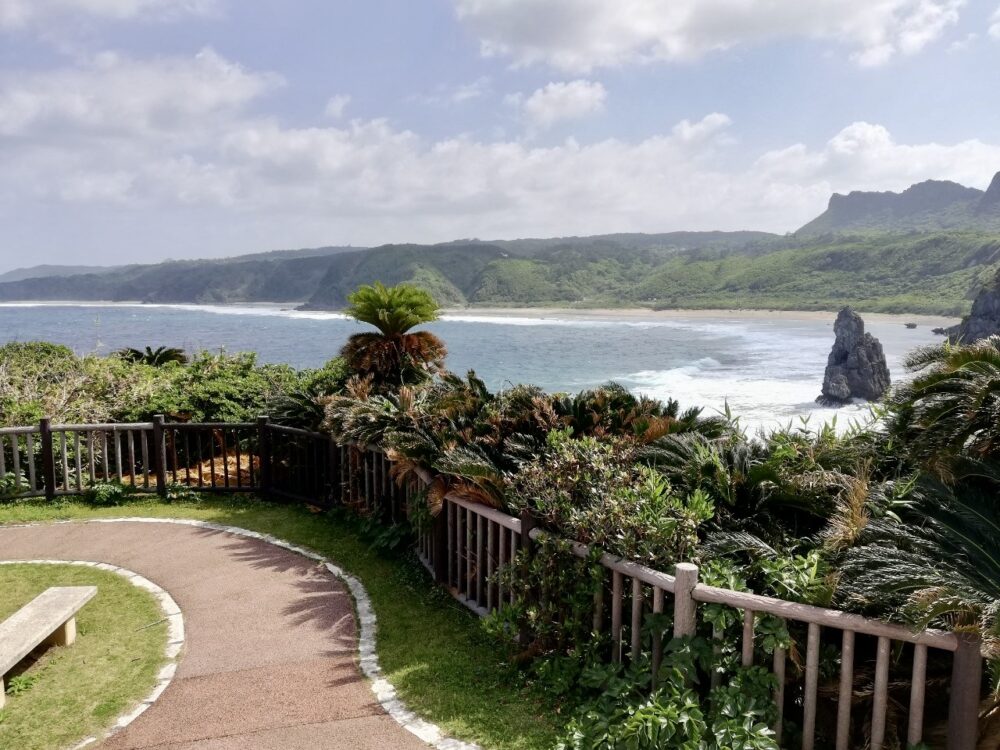
At Cape Hedo you can take in nature that is very nearly untouched.
Yanbaru National Park, a UNESCO World Natural Heritage site, lies close by.
The Open Sea in Front of You
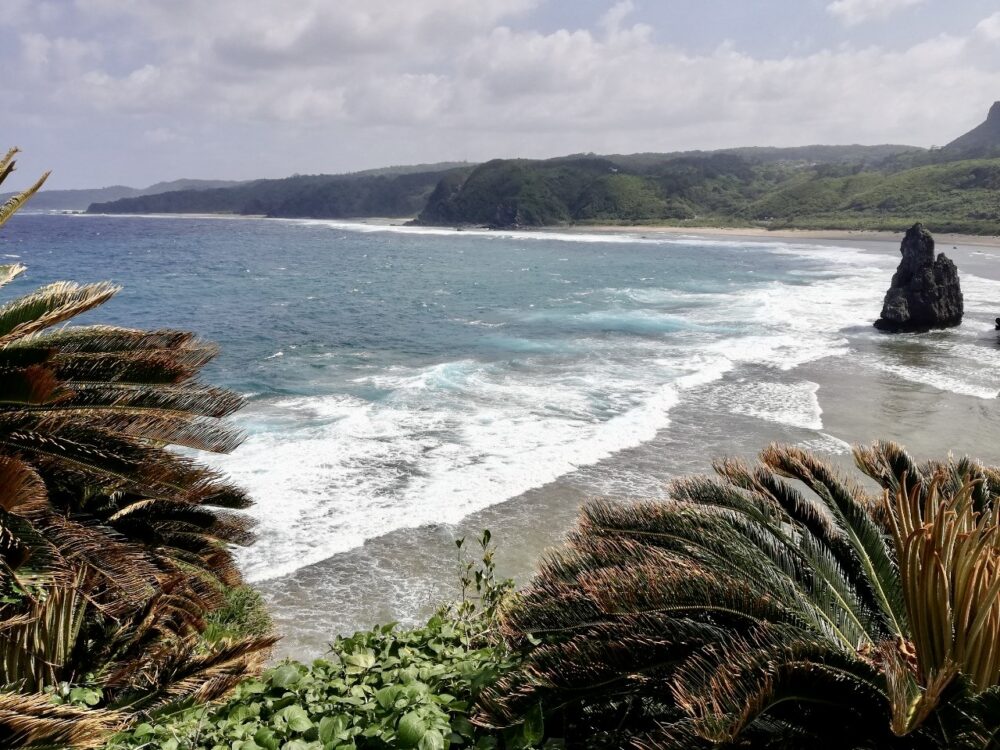
Exceptionally clear water stretches out from Cape Hedo, and the views are genuinely beautiful.
On some days the waves run rough.
When they do, the clarity of the water is harder to make out.
High Cliffs
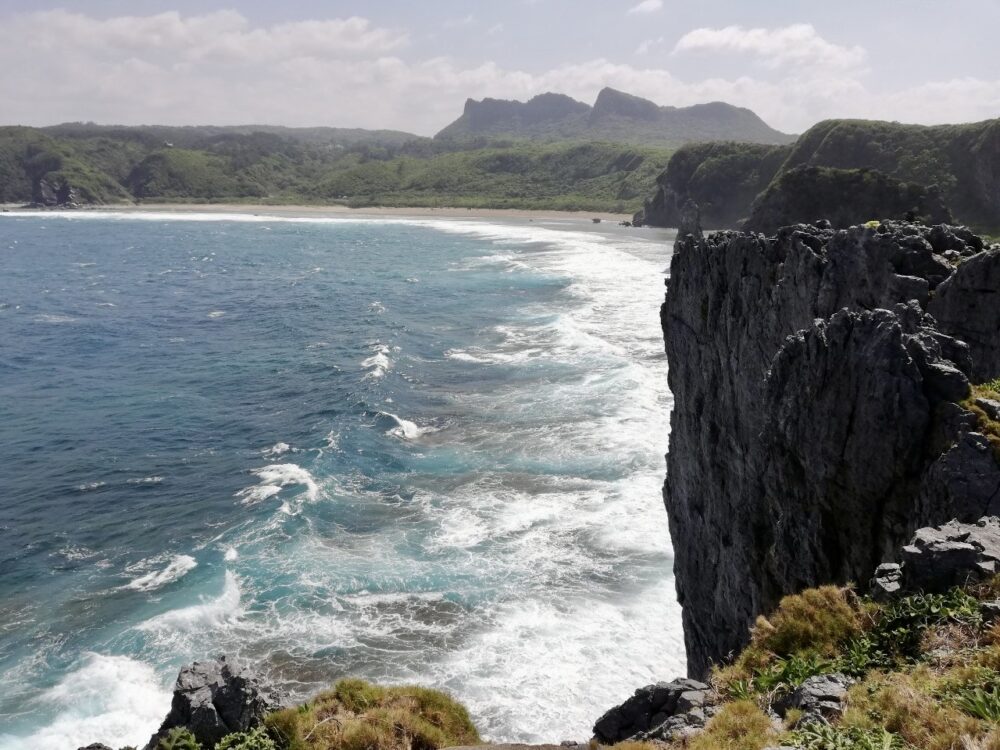
The high cliffs at Cape Hedo run a long way, and they give a real sense of the scale of the natural world.
Some sections have proper walkways underfoot and others do not, so take care as you walk when approaching the cliff edge.
The Walkway
Cape Hedo has a maintained walkway, so it can be reached safely by wheelchair or with children.
Some stretches near the cliffs have no railing and uneven footing, so walk with care.
The Homeland Reversion Monument
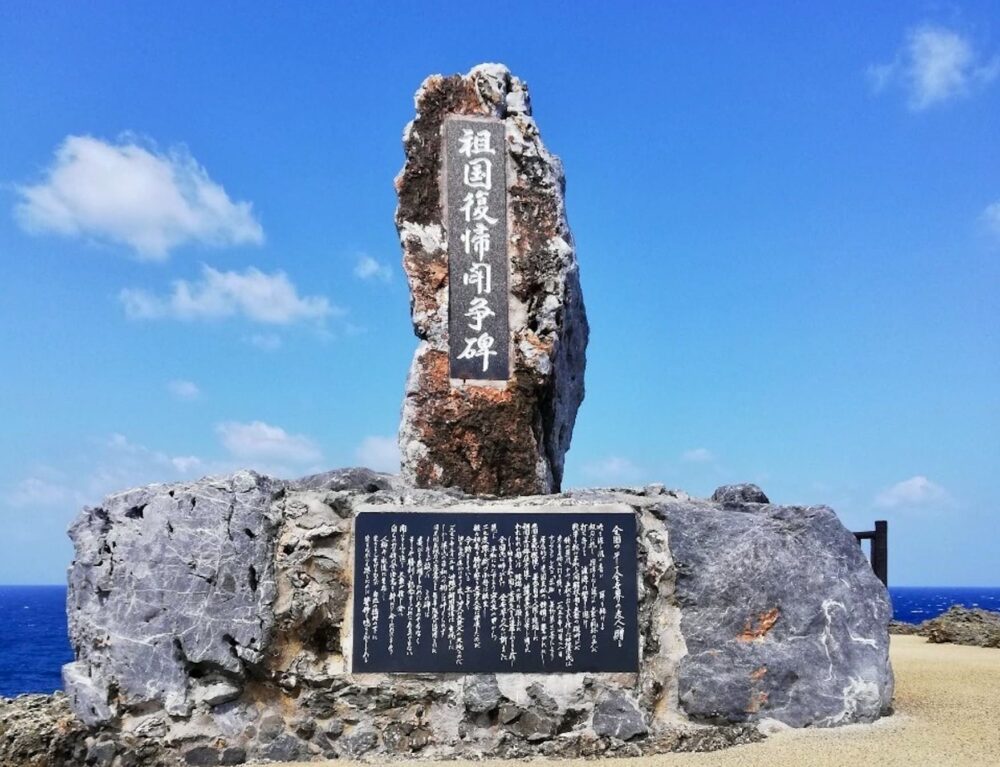
Cape Hedo is home to the Homeland Reversion Monument.
It was erected to mark Okinawa’s return to Japan from U.S. occupation in 1972.
Restrooms and Other Facilities
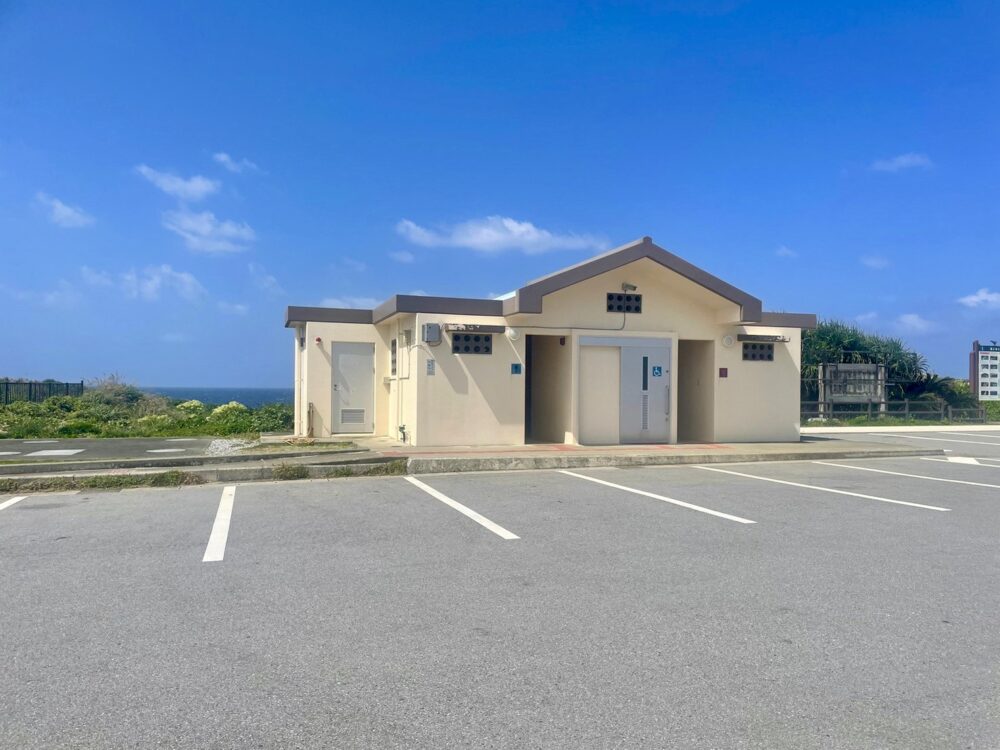
Restrooms are in place.
A Tourist Information Center, Observation Deck, and Cafe
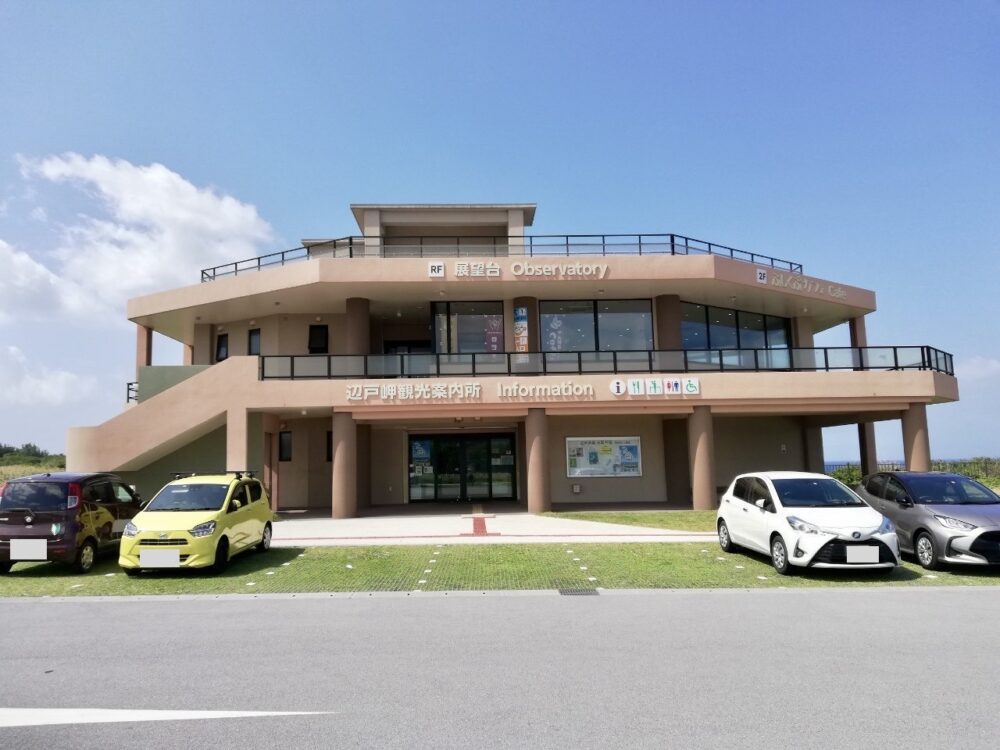
The Cape Hedo tourist information center, an observation deck, and a cafe are all here.
The Information Sign
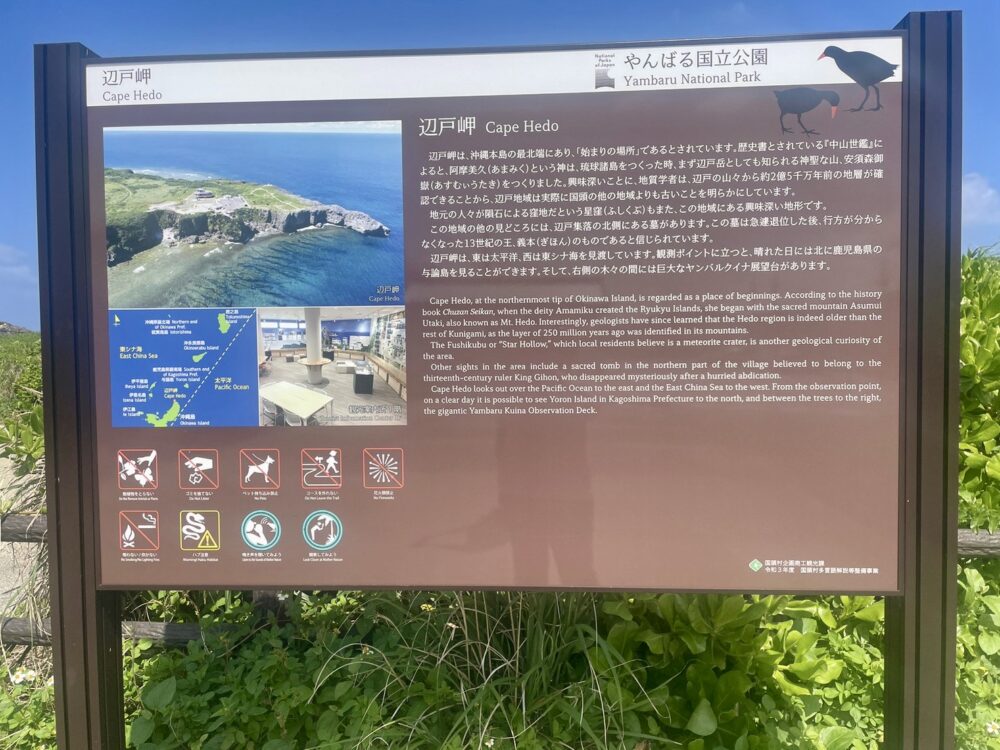
There is a sign on site with details about Cape Hedo.
See the image above for the full text.
Access and Parking
| Access | About 150 minutes by car from Naha Airport |
| Address | 973-5 Hedo, Kunigami Village, Kunigami District, Okinawa |
| Parking | Available (free) |
| Restrooms | Yes |
Cape Hedo has a free parking lot.
With room for about 100 cars, finding a space is rarely a problem.
See the image and map below for details on parking.
Around Cape Hedo
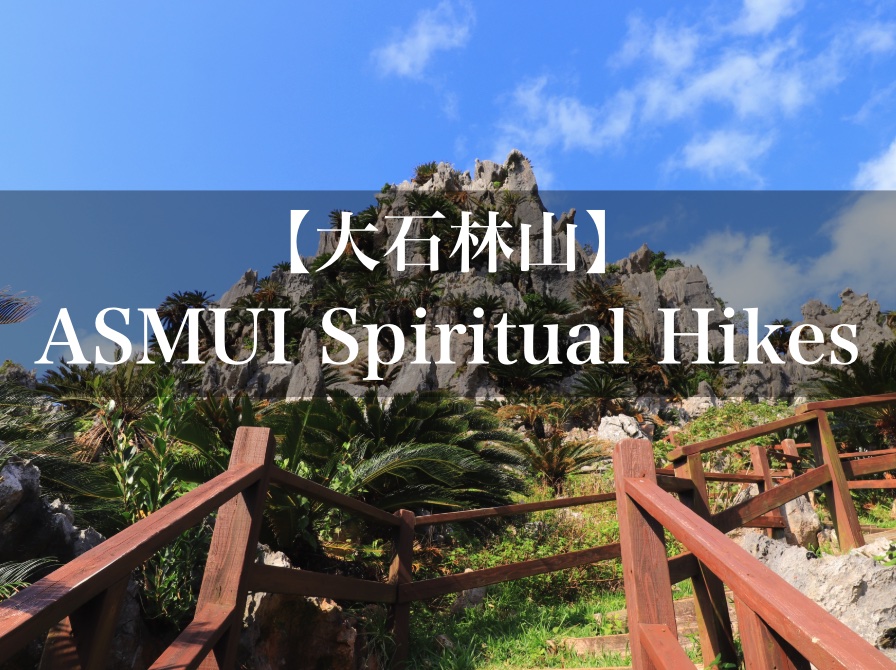
ASMUI Spiritual Hikes
| Opening hours | 9:30–17:30 (last entry 16:00) |
| Closed | Open year-round |
| Admission (individual) | Adults: 2,500 yen *Age 15 and over Children: 1,000 yen *Ages 6–14 |
| Time needed | About 60–120 minutes |
| Parking | Yes (free) |
| Restrooms | Yes |
| Address | 1241 Ginama, Kunigami Village, Kunigami District, Okinawa |
| Official website | https://asmui.com/ |
ASMUI Spiritual Hikes reopened in December 2024 under a new name, having previously been Daisekirinzan.
It sits on Asumui, the sacred ground where the Ryukyuan deity Amamikiyo is said to have first descended. Across grounds roughly the size of 11 Tokyo Domes, karst formations of strange rocks and boulders shaped over 200 million years stand among subtropical forest.
There are routes you can walk at your own pace with an audio guide, and a barrier-free course as well, so families with small children and older visitors can take it in comfortably.
Admission tickets can also be reserved and bought on Klook, which means no queueing at the ticket window when you arrive.
Activities in Kunigami Village
Kunigami Village offers plenty of activities for enjoying the nature of Yanbaru.
Adults and children alike can take in Okinawa’s wilder side, so they are well worth trying.
Okuma Private Beach & Resort
Okuma Private Beach & Resort is likely the northernmost resort hotel in Okinawa.
With a pool and a beautiful beach, it has everything you need to unwind, and the marine activities are excellent too.
A Rental Car Is the Way to Go in Okinawa
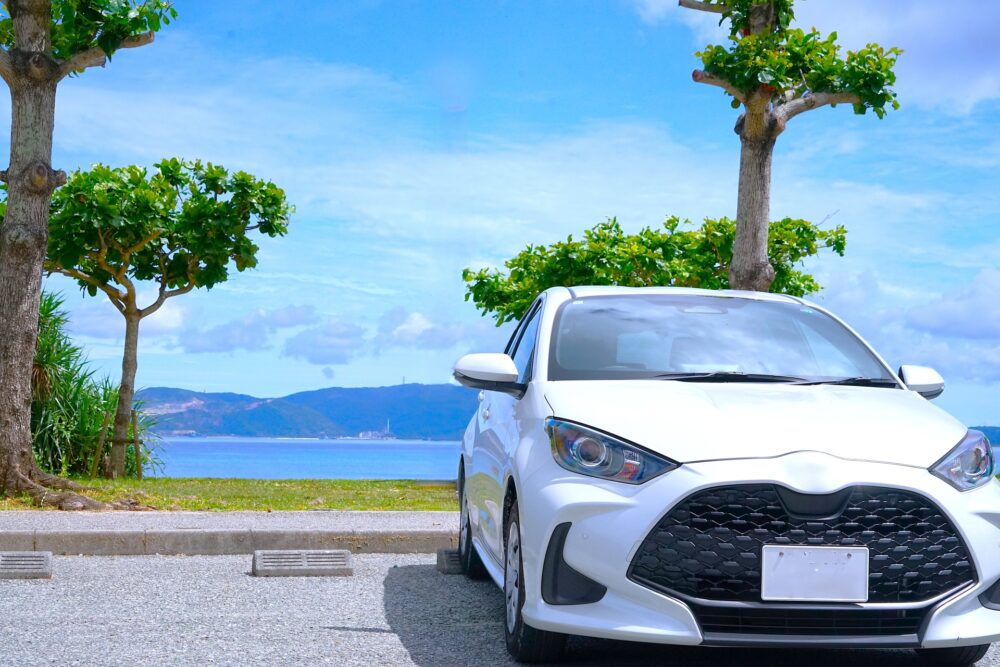
A rental car is by far the best way to get around Okinawa’s main island.
Shuri Castle in Naha, the beautiful beaches of the north, American Village in Chatan — the places worth seeing are spread across the island, so having a car lets you explore at your own pace. Buses are infrequent and do not always run to time, so a car makes a real difference to how much you can fit in.
Cars fill up quickly in the peak season, so we recommend booking early once your travel dates are set. One important note for overseas visitors: to drive in Japan you must obtain an International Driving Permit (Geneva Convention) in your home country before you depart, and remember that traffic in Japan drives on the left.
In Closing
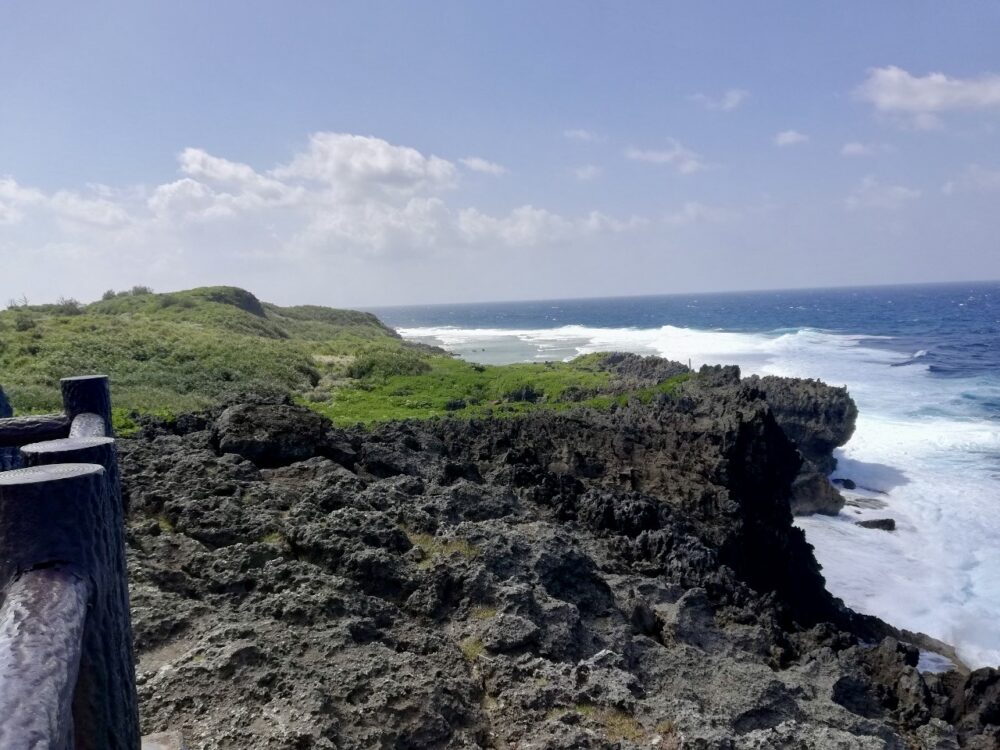
This guide has covered Cape Hedo.
Cape Hedo is well known as the northernmost cape on Okinawa’s main island, and draws large numbers of visitors every year.
It sits within Yanbaru National Park, inscribed as a World Heritage site, where you can take in Okinawa’s nature much as it has always been.
When you visit Kunigami Village, be sure to make time for Cape Hedo.
Thank you for reading to the end.
Comments