
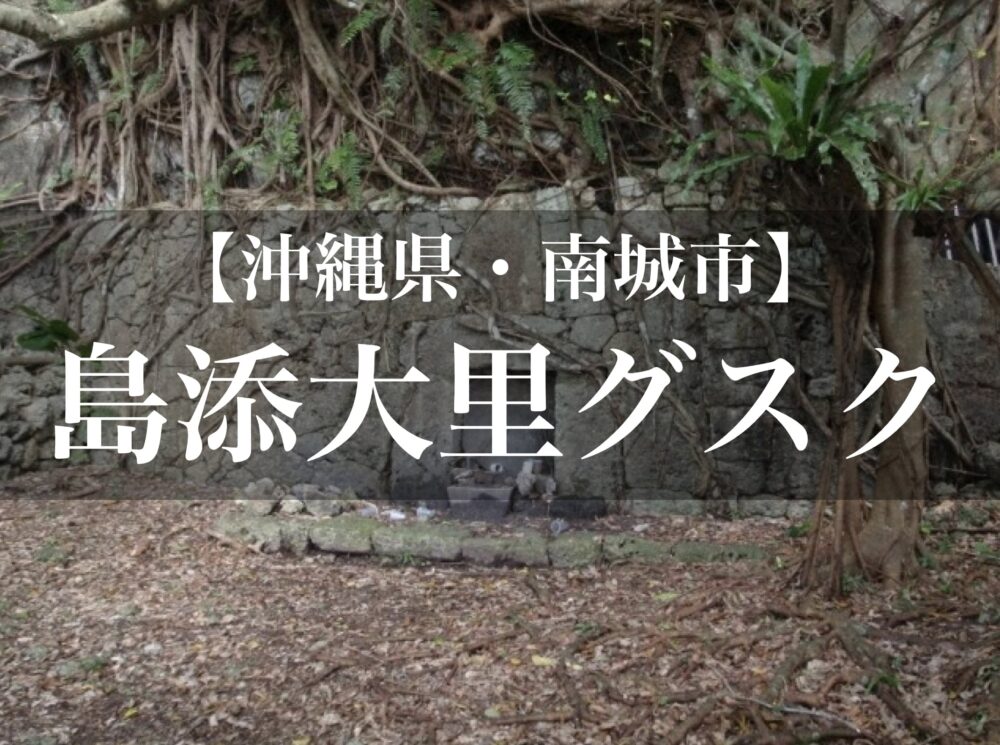
Shimashii Ohzato Gusuku is a castle site in Nanjo City, in the southern part of Okinawa’s main island.
Shimashii Ohzato Gusuku tells Okinawa’s quieter history.
Built in the 14th century by the Shimashii Ohzato aji, it is a precious historic site where Okinawa’s past feels close at hand.
Here we introduce the highlights of Shimashii Ohzato Gusuku and how long a visit takes.
*In Japanese it is read “Shimashii Ohzato Gusuku”.
Ratings for Shimashii Ohzato Gusuku
*Ratings are the personal impressions of the Okinawa Bookmark editor, compared with other castles and castle ruins in Okinawa
Shimashii Ohzato Gusuku at a glance
| Opening hours | No set hours |
| Closed | No set hours |
| Admission | Free |
| Time needed | About 60 minutes |
| Parking | Yes (free) |
| Restrooms | None |
| Address | 574 Ozato, Ozato, Nanjo City, Okinawa |
Shimashii Ohzato Gusuku was designated a national historic site in January 2012 and holds an important place in Okinawan history.
Today it has been laid out as Ozato Castle Ruins Park, open to anyone who wants to look around.
Highlights of Shimashii Ohzato Gusuku
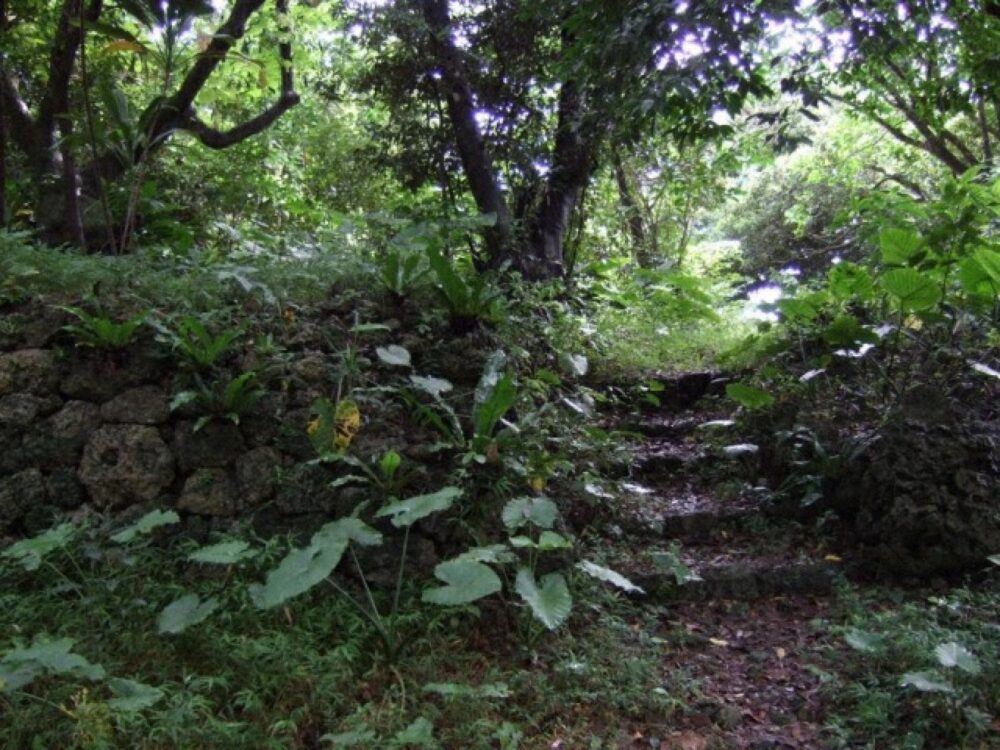
The tomb of the Shimashii Ohzato aji
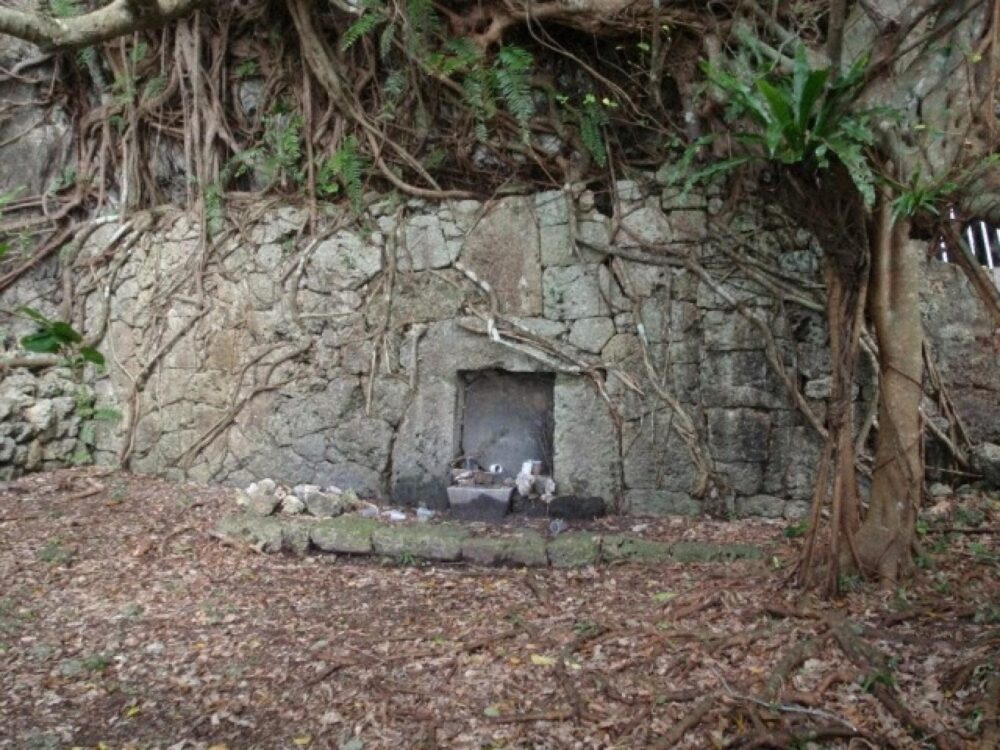
This historic gusuku, built in the 14th century, holds the tomb of the Shimashii Ohzato aji.
The aji was the warlord who ruled the Shimajiri region at the time, and the weight of history is palpable at his tomb.
The name Shimashii Ohzato is said to mean “the Ozato that rules the island” – the Shimajiri area – and true to that name, this was one of the most powerful gusuku in southern Okinawa.
The main hall site
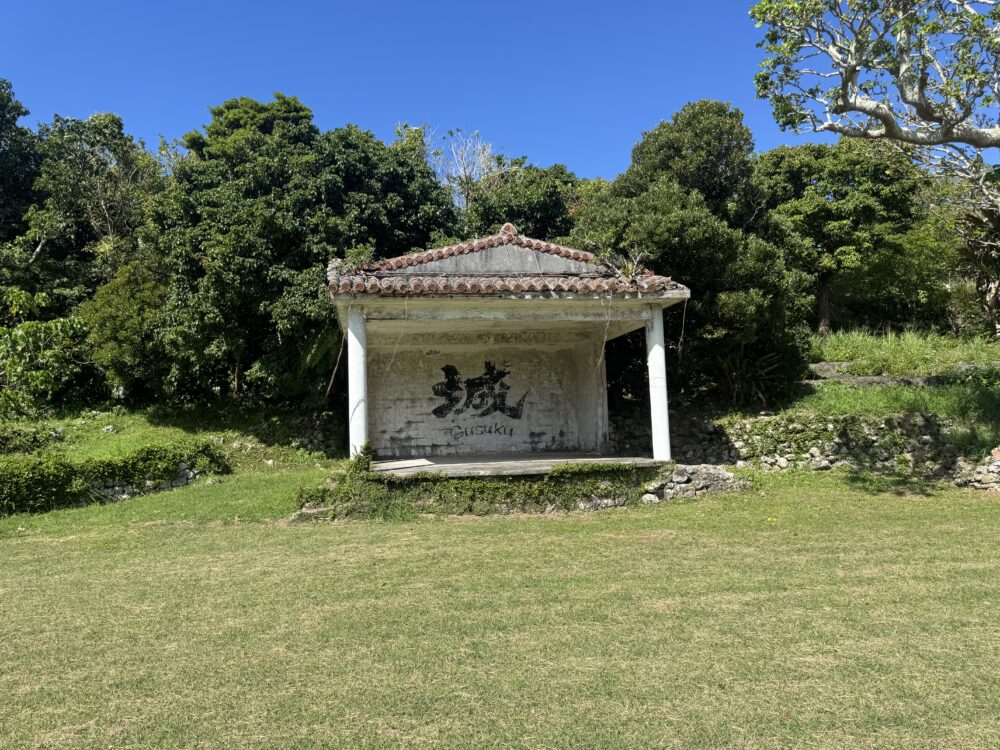
At the heart of the gusuku, the main hall site evokes the splendour of its heyday.
The arrangement of foundation stones revealed by excavation speaks to the quality of the architecture of the time.
Kaniman Utaki
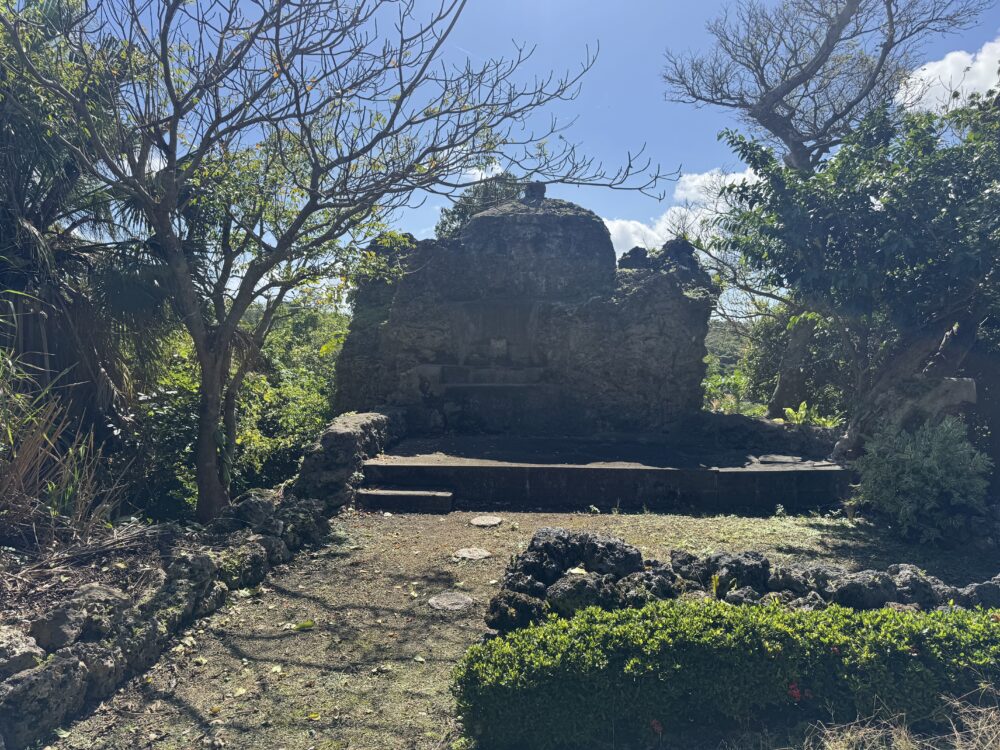
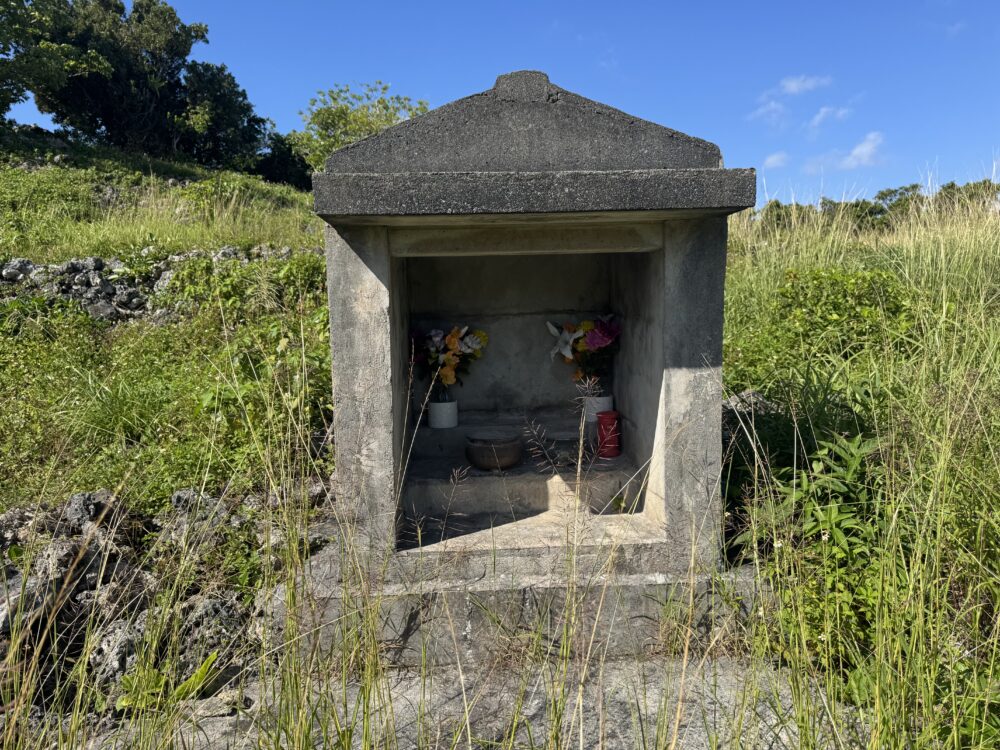
Kaniman Utaki, at the western edge of Shimashii Ohzato Gusuku, is regarded as a sacred place.
Limestone stacked into a cylinder about 2 metres across and 1 metre high, topped with a roof stone, gives it a mysterious presence.
Some say it is the tomb of a great figure of the past, and local people still come here to pray.
Chichinga
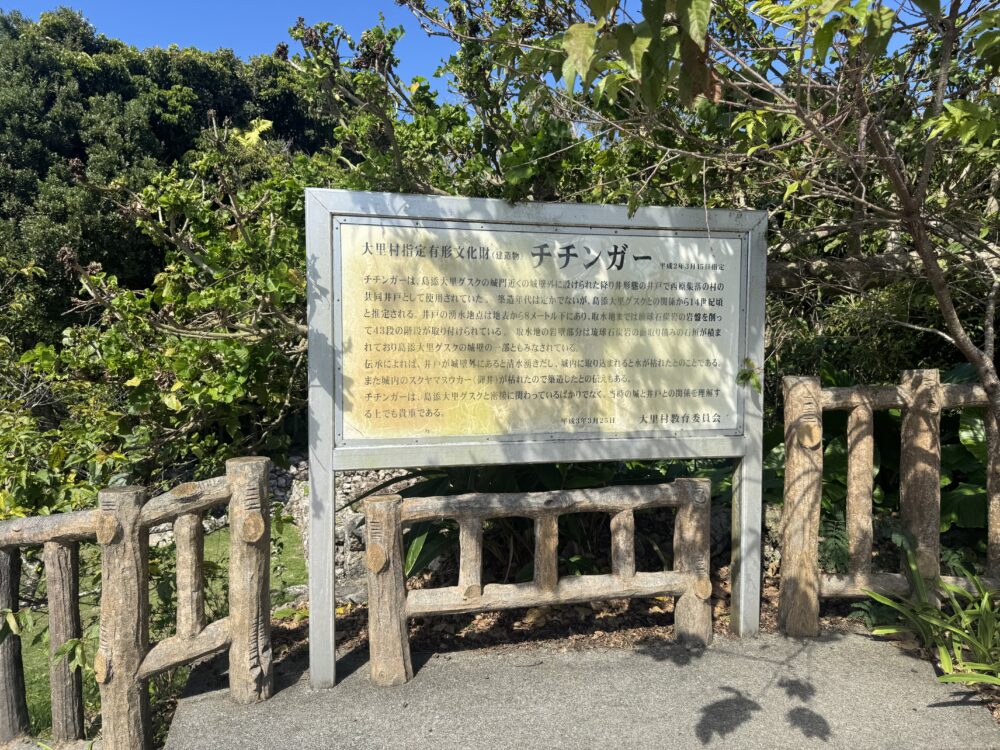
Chichinga is a communal well set outside the castle walls.
Forty-three stone steps lead down to the spring, which served as the shared water source for the nearby settlement.
It is an urigaa, a “descending well” reached by walking down steps, and it preserves a glimpse of life before running water. The steps are narrow and slippery, so watch your footing on the way down.
A large castle site laid out as Ozato Castle Ruins Park
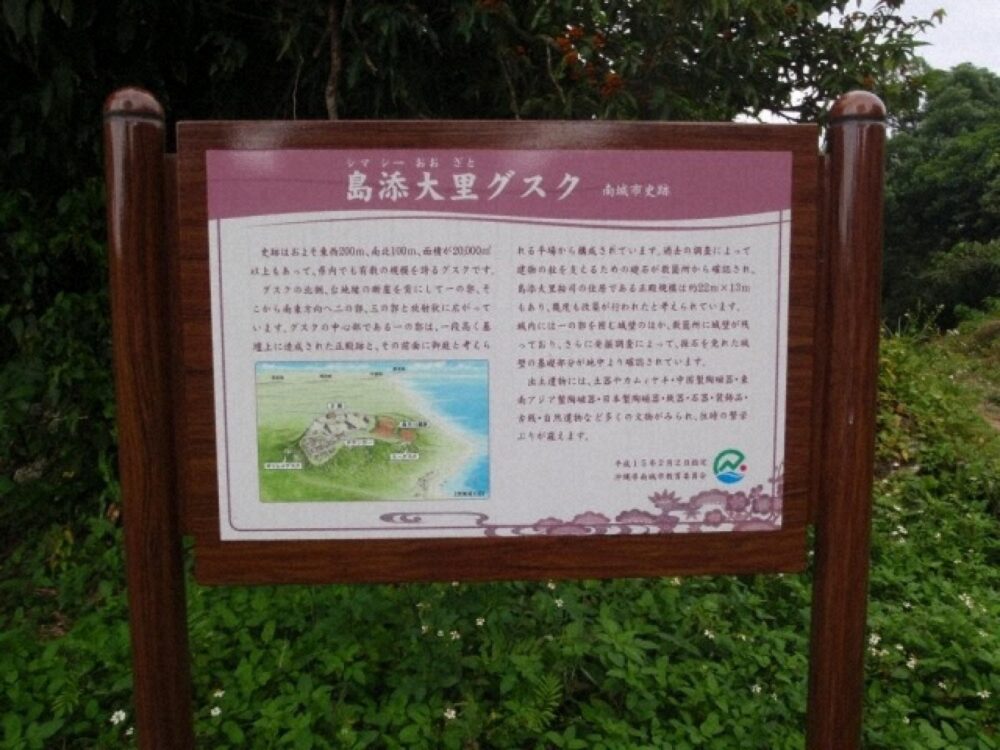
Shimashii Ohzato Gusuku has been developed as Ozato Castle Ruins Park, with walking paths and a lookout within the grounds.
Its hilltop position gives wide views, and on clear days you can see all the way from Nakagusuku Bay to the Chinen Peninsula. As castle sites go it is large, and a leisurely walk takes about an hour.
Time needed
Seeing all of Shimashii Ohzato Gusuku takes around 60 minutes.
The grounds are extensive, and walking out to the main hall site, Kaniman Utaki and Chichinga beyond the walls adds up to a fair distance. If you are short on time, at least see the main hall site and the lookout.
The history of Shimashii Ohzato Gusuku
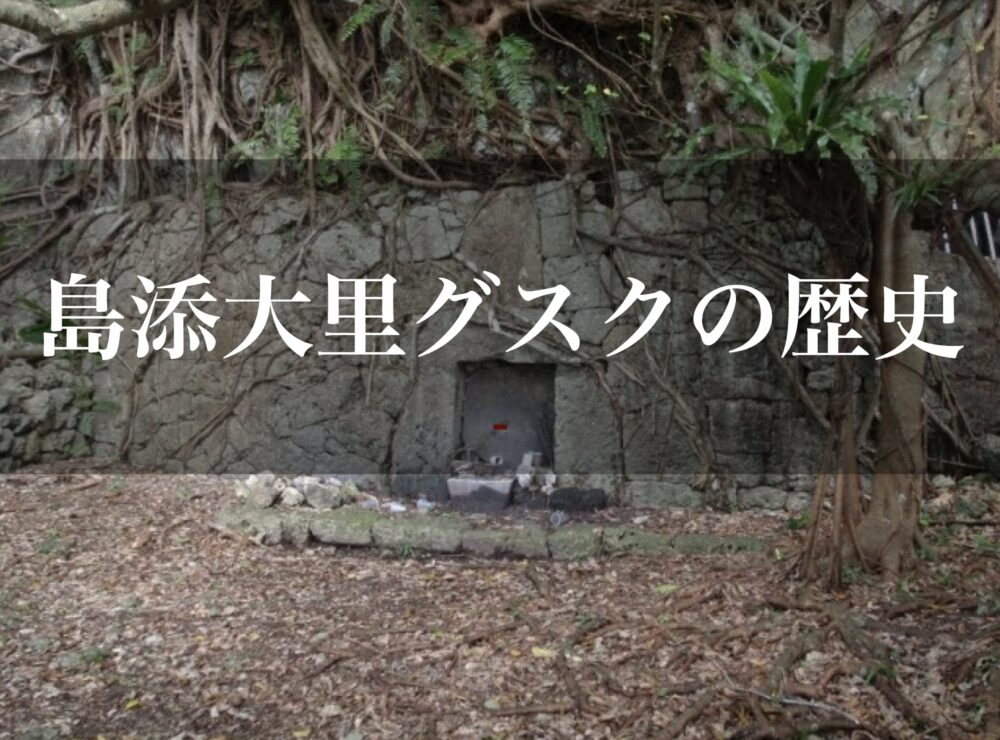
Shimashii Ohzato Gusuku was built around the 14th century by the Shimashii Ohzato aji.
This powerful warlord was known for his rule over the Shimajiri region of the day.
In the early 15th century the gusuku fell during Sho Hashi’s unification of the three kingdoms.
After its fall it served as a detached palace under Sho Hashi’s rule, before the seat of power moved to Shuri Castle.
During the war the grounds were used as a military position, and the castle walls were stripped for building material.
American attacks caused heavy damage, and stone was taken again for postwar reconstruction, so much of the site was lost.
In 1961, however, materials supplied by the US military allowed a lookout and concrete paths to be built.
Later excavations brought many remains to light.
In January 2012 it became a national historic site, and its historical value was recognised anew.
Getting there and parking
| Access | About 40 minutes by car from Naha Airport |
| Address | 574 Ozato, Ozato, Nanjo City, Okinawa |
| Parking | Yes (free) |
| Restrooms | None |
The entrance to the gusuku is in front of the Ozato Castle Ruins Park Exchange Centre, and you can park on the open ground there.
This is not a place tour buses come to, so you will rarely have trouble finding a space.
Check the Google Map below for details on parking.
What’s nearby
Recommended activities in Nanjo City
Nanjo City offers a wide range of marine activities.
You can book diving, snorkelling, SUP and more.
If you would like to try diving or snorkelling, take a look at what is available on GetYourGuide or Viator.
Yuinchi Hotel Nanjo
Yuinchi Hotel Nanjo offers reasonable rates and a natural hot spring – a rarity in Okinawa.
On clear days you can also enjoy fine views of the sea from its hilltop setting.
A rental car is the way to go in Okinawa

For sightseeing on Okinawa’s main island, a rental car is by far the best option.
Shuri Castle in Naha, the beautiful beaches up north, American Village in Chatan – the places worth seeing are scattered across the island, and having a car lets you explore at your own pace. Buses are infrequent and rarely run on time, so having a car makes a real difference to the trip.
Cars book up quickly in peak season, so reserve as soon as your dates are set.
Summary
Through its ancient walls and its solemn history, Shimashii Ohzato Gusuku brings Okinawa’s past to life.
Why not visit this beautiful gusuku and experience Okinawa’s rich cultural heritage and history first-hand?
With highlights such as the tomb of the Shimashii Ohzato aji, the main hall site, Kaniman Utaki and Chichinga, there is plenty to see – do come and take a look.
Thank you for reading to the end.
Comments