
Nakijin Castle Ruins sit in Nakijin Village, on the northern part of Okinawa’s main island.
Nakijin Castle Ruins stand in the green northern reaches of Okinawa.
This historic site is known for the grand stone walls that carry the authority of a former kingdom into the present.
The story those walls tell leaves a strong impression on everyone who comes.
Below is what makes the site worth visiting, along with an efficient plan for seeing it.
Whether you come for the history or for the natural setting, start here and let the mystery of Nakijin Castle Ruins draw you into the deeper side of Okinawa.
- Ratings for Nakijin Castle Ruins
- At a Glance
- What to See at Nakijin Castle Ruins
- Gaikaku (Outer Enclosure): The First Line of Defense
- Heirō-mon Gate: The Entrance to the Main Gate
- Ushimi: The Most Solidly Built Part of the Site
- Kaazafu: A Beautiful Valley Floor
- The Old Road: A Key Defensive Point
- Uumya: The Center of Ritual Life
- Uuchibaru: The Living Quarters of the Court Women
- Shukaku (Main Enclosure): The Heart of the Castle
- Shigemajōkaku: The Space Closest to the Lord of the Castle
- Kuba Utaki: A Sacred Site of Okinawa
- Kanhizakura: The Cherry Blossom of Okinawa’s Winter
- Short Videos of Nakijin Castle Ruins
- Admission to Nakijin Castle Ruins
- Time Needed: About 30–45 Minutes, or a Full Day at Nakijin Castle Ruins
- Access and Parking
- The History of Nakijin Castle Ruins
- Nearby
- Summary
Ratings for Nakijin Castle Ruins
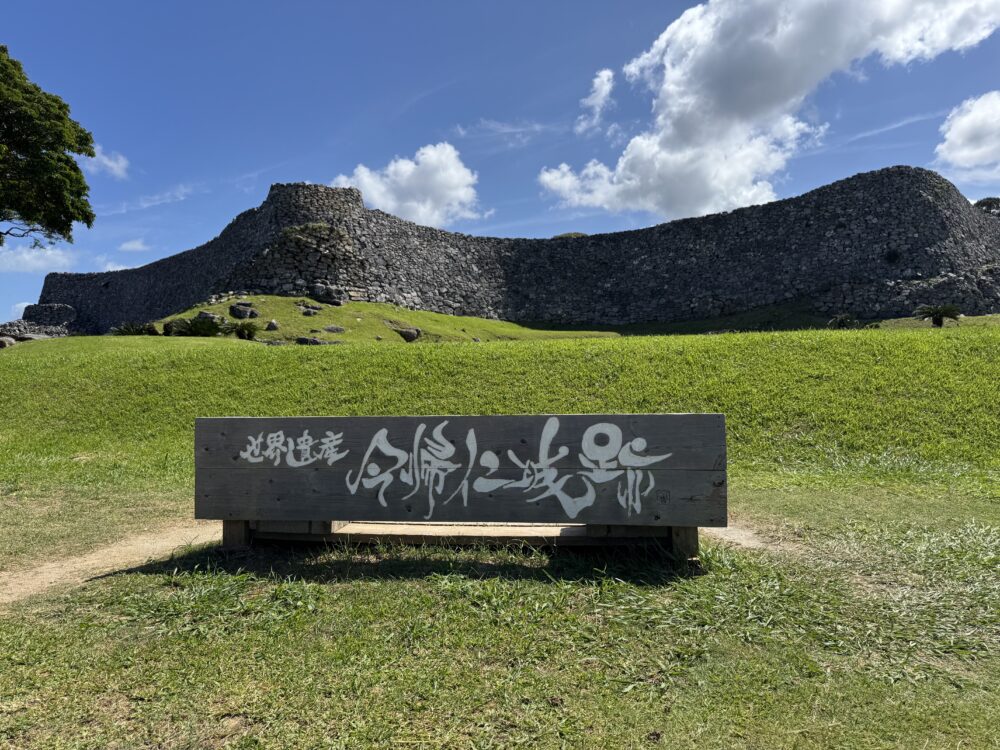
*Ratings are the subjective view of the Okinawa Bookmark editor, compared against other castles and castle ruins in Okinawa
At a Glance
| Opening hours | ・Regular season (January–April, September–December) 8:00–18:00 (last entry 17:30) ・Extended summer season (May–August) 8:00–19:00 (last entry 18:30) |
| Closed | Open year-round |
| Admission (individual) | Adults: 600 yen Junior and senior high school students: 450 yen Elementary school age and under: free |
| Admission (groups of 10 or more) | Adults: 480 yen Junior and senior high school students: 360 yen Elementary school age and under: free |
| Time needed | About 30–45 minutes |
| Parking | Yes (free) *Parking lots 1 through 4 are available |
| Restrooms | Yes |
| Address | 5101 Imadomari, Nakijin Village, Kunigami District, Okinawa |
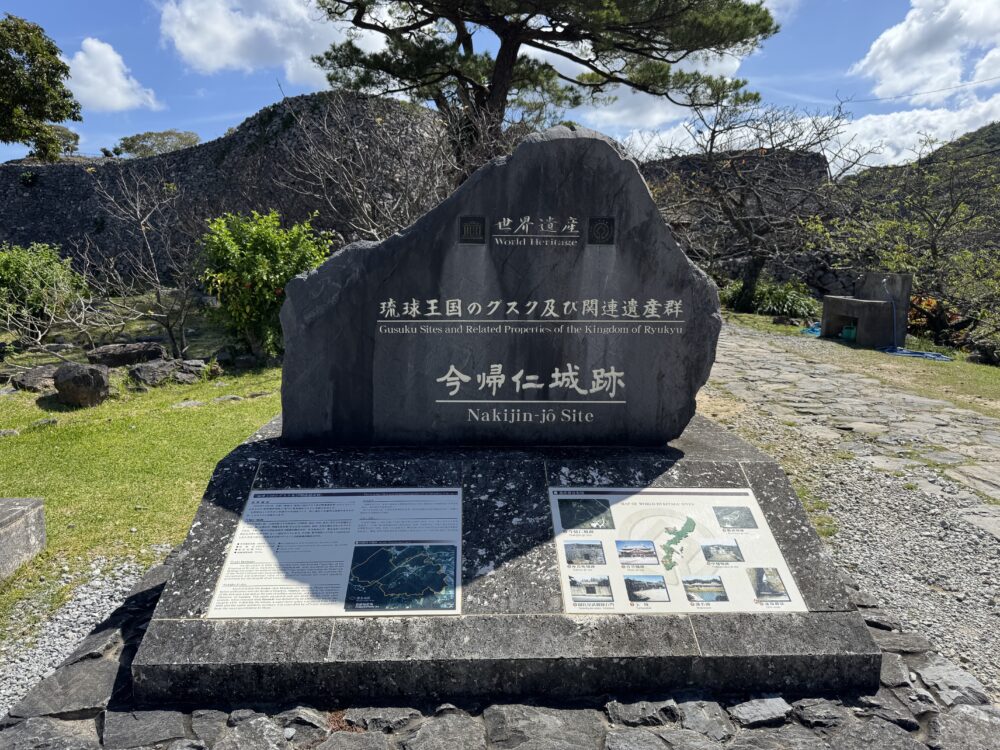
Nakijin Castle Ruins were inscribed on the World Heritage List in December 2000 as part of the Gusuku Sites and Related Properties of the Kingdom of Ryukyu.
Tickets can be bought on site or online, so it is worth checking availability online before you go.
What to See at Nakijin Castle Ruins
Gaikaku (Outer Enclosure): The First Line of Defense
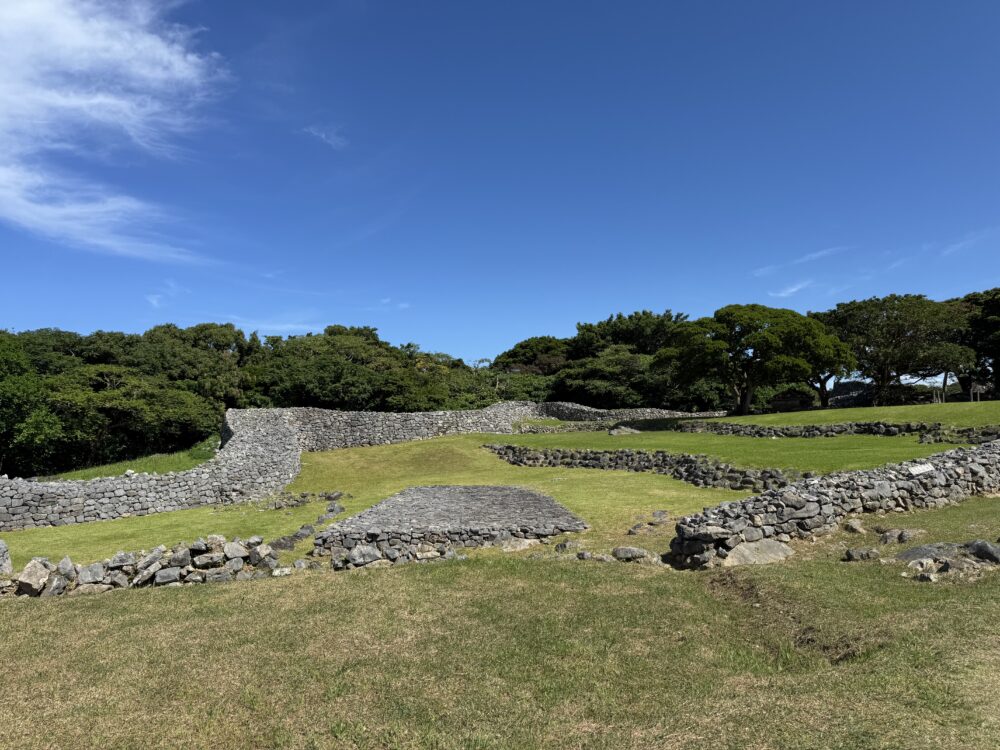
The outer enclosure, where solid stone walls still stand, holds the dignity of the old kingdom.
It is where you feel the opening chapter of a grand history.
Heirō-mon Gate: The Entrance to the Main Gate
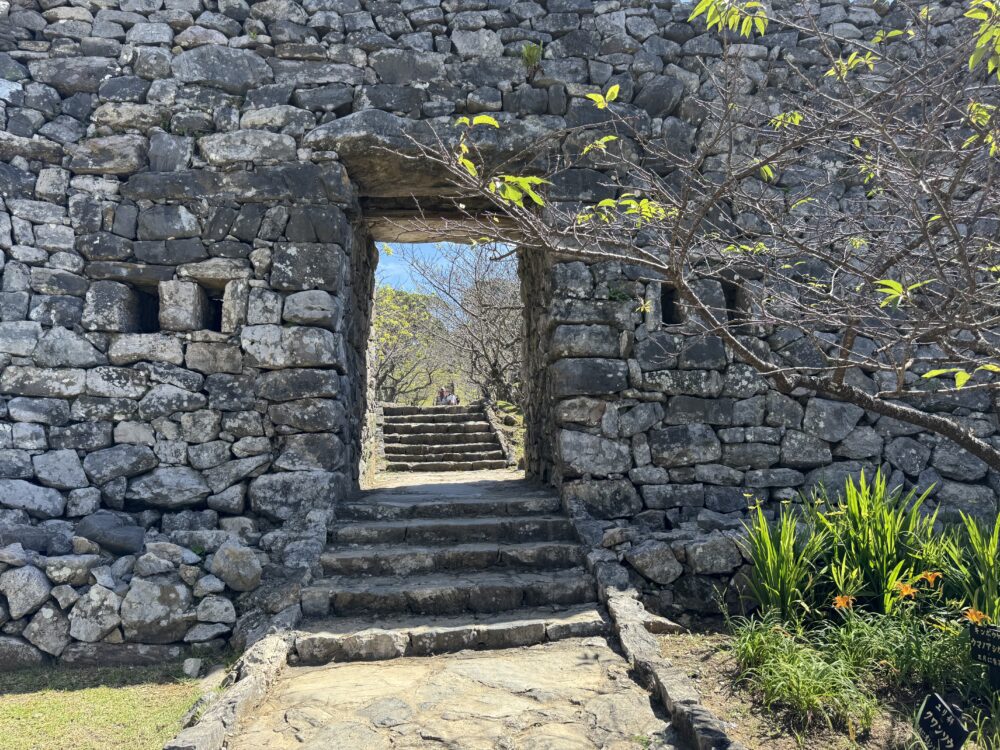
Passing through this gate, visitors step across time and into the history of old Ryukyu.
Heirō-mon is the symbolic marker that your visit to Nakijin Castle Ruins has begun.
Ushimi: The Most Solidly Built Part of the Site
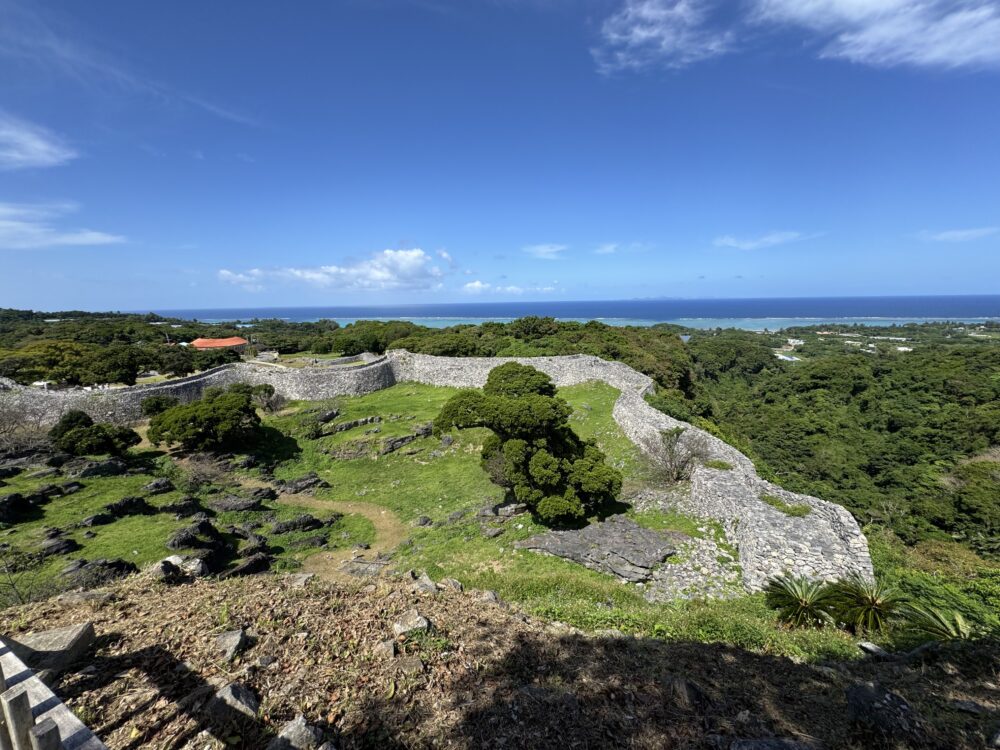
Ushimi has a particularly robust structure, and represents the best of the building techniques of its age.
Its powerful stone walls leave a deep impression on visitors.
Kaazafu: A Beautiful Valley Floor
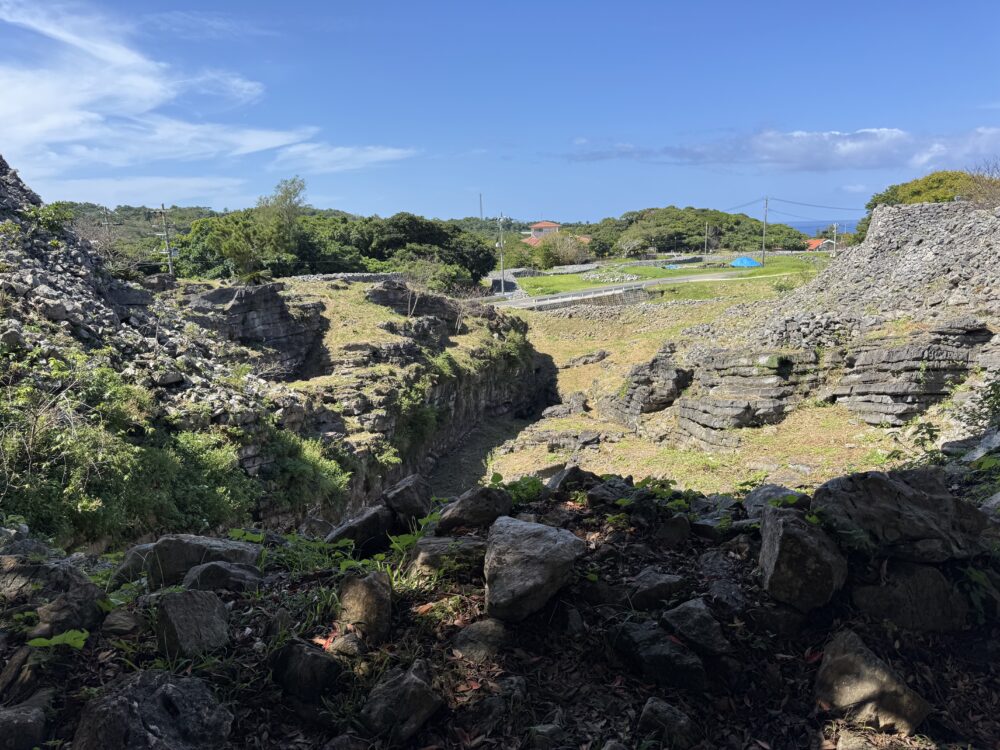
Kaazafu lies in a hollow slightly off to the right of Heirō-mon, and is understood to be a river valley.
The Old Road: A Key Defensive Point
The old road once played an important part in defending the castle.
The old path that remains still speaks to that importance.
Uumya: The Center of Ritual Life
Uumya was used for rituals and gatherings, and that role has carried through to the present.
The open space here makes it easy to picture how busy it once was.
Uuchibaru: The Living Quarters of the Court Women
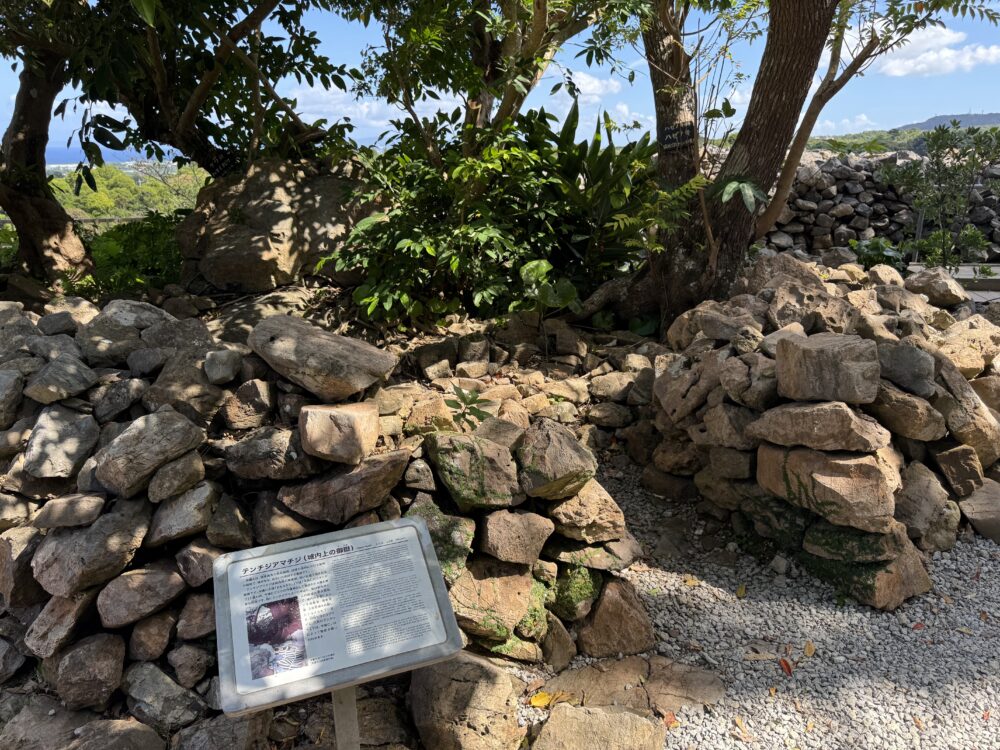
Uuchibaru, where court women once went about their daily lives, is a place where stillness and history sit together.
You can feel the deep passage of time here in a way you will not elsewhere.
Shukaku (Main Enclosure): The Heart of the Castle
The most important part of Nakijin Castle Ruins is the main enclosure.
This was the core of the castle, and the weight of its history is palpable.
Shigemajōkaku: The Space Closest to the Lord of the Castle
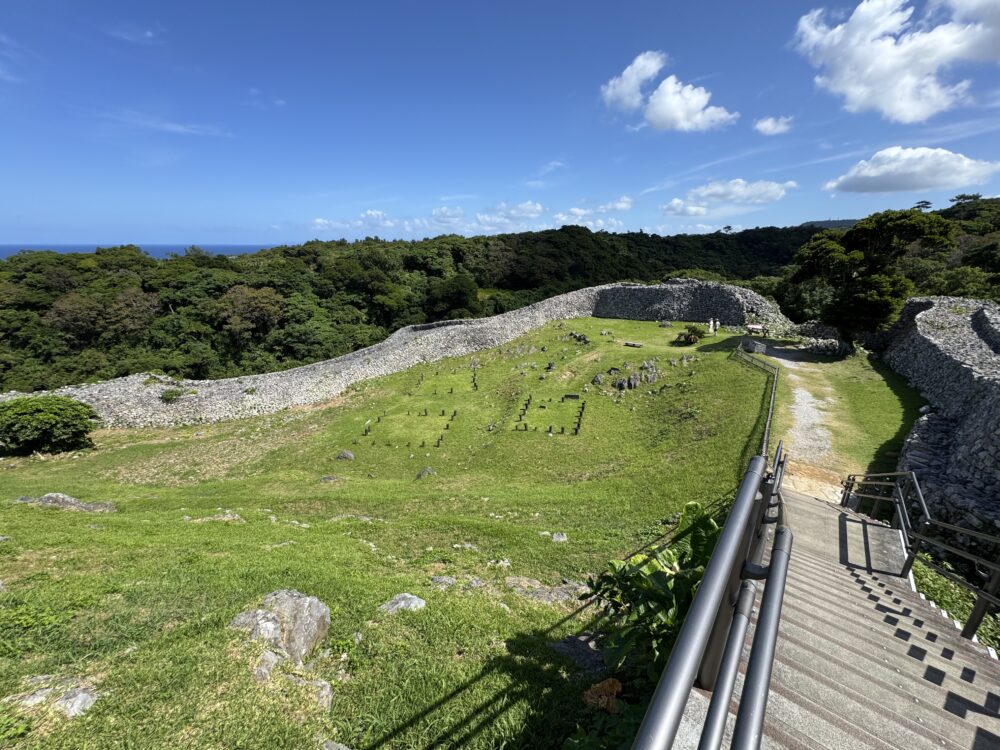
Shigemajōkaku is where the lord of the castle feels closest at hand.
Following the paths he would have walked, visitors catch a glimpse of the history itself.
Kuba Utaki: A Sacred Site of Okinawa
Kuba Utaki is one of Okinawa’s representative sacred sites (utaki — a Ryukyuan place of worship).
Here you can feel the atmosphere that belongs to Okinawa alone, and spend a genuinely calming stretch of time.
Kanhizakura: The Cherry Blossom of Okinawa’s Winter
Kanhizakura is known as the beautiful blossom that opens in Okinawa’s winter.
Its beauty softens the visit and stays with you as a particular memory.
Short Videos of Nakijin Castle Ruins
Nakijin Castle Ruins on an Ordinary Day
A short video of Nakijin Castle Ruins on an ordinary day.
A Short Video of the Nakijin Gusuku Cherry Blossom Festival
Nakijin Castle Ruins during the cherry blossom festival are beautiful.
The illumination is lovely, and so are the blossoms.
Admission to Nakijin Castle Ruins
| Admission (individual) | Adults: 600 yen Junior and senior high school students: 450 yen Elementary school age and under: free |
| Admission (groups of 10 or more) | Adults: 480 yen Junior and senior high school students: 360 yen Elementary school age and under: free |
Time Needed: About 30–45 Minutes, or a Full Day at Nakijin Castle Ruins
Nakijin Castle Ruins are a treasury of history held in Okinawa’s natural surroundings.
You can see it efficiently in a short visit, or spend a day steeping yourself in its history.
The time needed is put at about 30–45 minutes, but if you want to take the site slowly, set aside a day.
・Make Use of the Nakijin Village Museum of History and Culture
The adjacent Nakijin Village Museum of History and Culture lets you go deeper into the history of the castle.
Building time at the museum into your plan makes for a far richer visit.
・A Suggested Route
Start by walking the outer enclosure, pass through Heirō-mon, and explore Ushimi.
Take in the natural setting of Kaazafu and the history of the old road, then picture the old rituals at Uumya.
See a little of daily life at Uuchibaru and the scale of the main enclosure, then think on the lord’s life at Shigemajōkaku.
Offer a prayer at Kuba Utaki, and consider the mystery of Miimun Gusuku.
Visit the Nakijin village ruins, where the history of the surrounding settlement comes through, and feel the turn of the season among the kanhizakura.
Use this route as a guide, and take in the full sweep of Nakijin Castle Ruins — its history and its natural setting alike.
Access and Parking
| Access | About 100 minutes by car from Naha Airport |
| Address | 5101 Imadomari, Nakijin Village, Kunigami District, Okinawa |
| Parking | Yes (free) Parking lots 1 through 4 available |
| Restrooms | Yes |
Nakijin Castle Ruins has free parking, with room for about 320 cars across lots 1 through 4.
Lots 1 through 4 are laid out in order, so see the Google Map below.
The History of Nakijin Castle Ruins
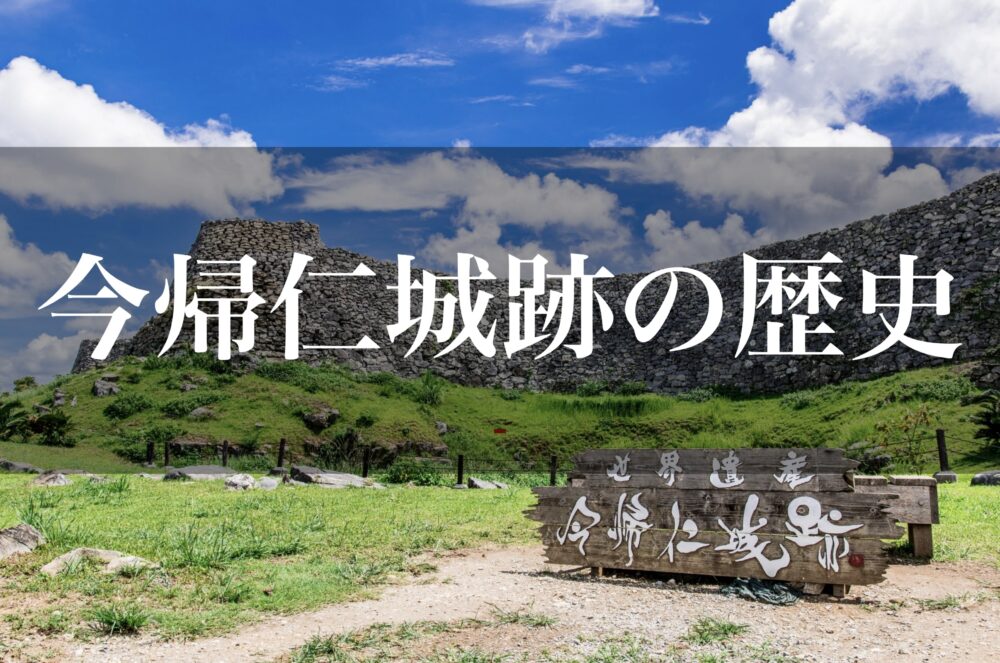
・Origins of the Castle
Nakijin Castle was built between the 12th and 13th centuries and became the center of political power in the northern part of Okinawa’s main island.
Local legend holds that it was built by the lord of Nakijin, at a point before the Shunten dynasty began.
・Historical Importance
In 1416 the Hokuzan Kingdom fell to Sho Hashi, king of Chuzan, but a Hokuzan warden was stationed here until the post was abolished in 1665, and the site continued to serve as a key point of the former Hokuzan Kingdom.
・Architecture and Structure
Nakijin Castle Ruins are divided into an outer, middle, and inner enclosure, with a distinctive architectural style. A great deal of Chinese and Southeast Asian ceramics has been excavated within the walls, which speaks to its prosperity at the time.
・Value as World Heritage
Nakijin Castle Ruins were inscribed on the UNESCO World Heritage List in December 2000.
Its universal value was recognized as part of the Gusuku Sites and Related Properties of the Kingdom of Ryukyu.
Nakijin Castle Ruins draw large numbers of visitors year-round as a place to learn about the history and culture of Okinawa.
・Its Place Today
Nakijin Castle Ruins matter as part of the identity of the local community, and serve as a venue for history education and cultural events.
・A Site for Academic Research
For archaeologists and historians, Nakijin Castle Ruins are valuable for the study of life, culture, and trade during the Kingdom of Ryukyu.
Nearby
Recommended Activities in Nakijin Village

Nakijin Village has a range of marine activities on offer.
Diving, snorkeling, SUP, and more can all be booked.
If you would like to enjoy diving or snorkeling, why not see what is available on Viator or GetYourGuide?
Nagahama Beach Resort KANON
Nagahama Beach Resort KANON is a luxury resort where every room has an ocean view.
Each room is built around natural wood, giving it a genuinely relaxing feel.
JUNGLIA OKINAWA

JUNGLIA OKINAWA is a theme park in Nakijin Village that opened on July 25, 2025.
The site covers roughly 60 hectares, with attractions built around the wild nature of Yanbaru and a spa looking out over a remarkable view.
It is about an hour and a half by car from Naha Airport, which makes it easy to work into a day of beach-hopping on Kouri Island.
If you want more than just the sea on your trip, it is well worth a visit.
Okinawa Churaumi Aquarium

Churaumi Aquarium needs little introduction — it draws large numbers of visitors and locals alike every year.
Its enormous main tank, among the largest in the world, holds whale sharks and schools of manta rays, and there is a great deal more of Okinawa’s marine life to see besides.
Summary
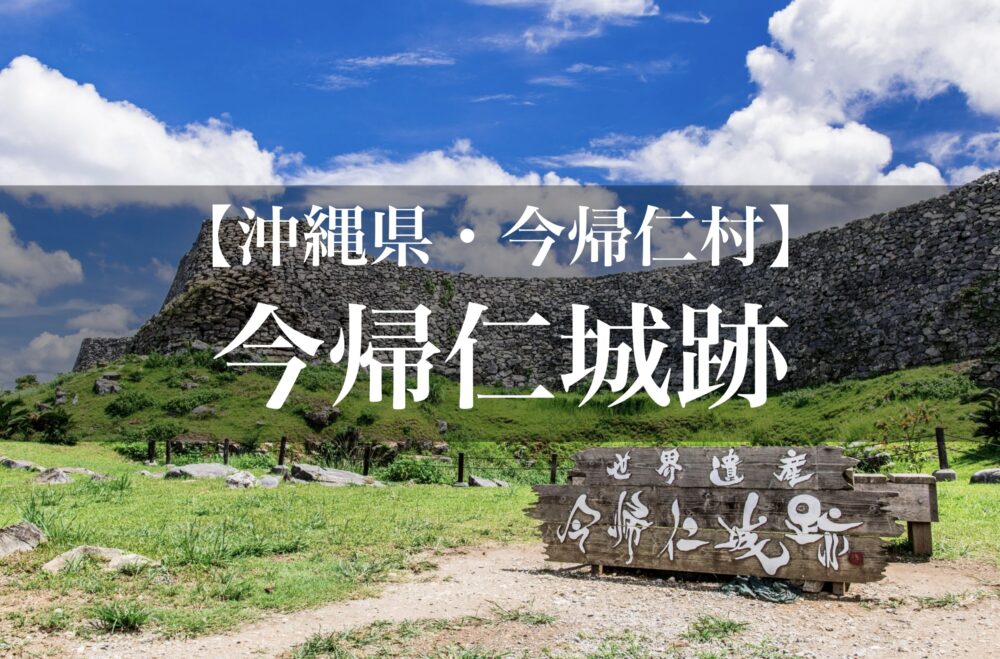
Nakijin Castle Ruins are an important piece of heritage carrying Okinawa’s past into the present.
The solid outer enclosure and Heirō-mon speak to the knowledge of an earlier age, while Kaazafu and the old road show nature and history intertwined.
Uumya, once the center of ritual life, and Shigemajōkaku, where you glimpse the lord’s world, are both worth your time.
The sanctity of Kuba Utaki, the mystery of Miimun Gusuku, the living history of the Nakijin village ruins, and the seasonal turn marked by the kanhizakura are all not to be missed.
To feel the richness of Okinawan culture, start with a visit to Nakijin Castle Ruins.
Comments